
I created an AI character teachers crocheted. Then we took its face off.
Over two years I took Dot from a first sketch to a character guide, 12 emotions and 72 poses that anyone at SchoolAI could use. Teachers made it in yarn and frosting. Then, about seven weeks after my memo arguing to keep the face, the face came out of student and teacher interactions. Here's how I built it, and the decisions that made it work.
What happened.
Nobody crochets software. People crochet Dot. I call Dot education's most beloved AI character, with a cult following among teachers. That's my framing, and I don't have a chart for it.
What I have is on this page: the system behind the character, the fan work in yarn and frosting, and the launch that took the face out of the product.
A chat box wasn't going to earn a teacher's trust.
SchoolAI puts AI in front of teachers and students every day. Trust was the whole job. I thought a character could help, if it had a real personality and stayed the same everywhere. So in August 2024 I started asking image models for one, and then I wrote down who it was.
A character looks like an art decision. It isn't only that. How it looks sets how people treat it. How people treat it sets what the product is responsible for. That's what this page is really about.
I picked a plain blue sphere because nobody could mistake it for a person.
I started in DALL-E with a prompt for four fun, playful assistant characters for K-12 students. Then came rounds in Midjourney: a blueberry, an apple, a sun, a seal, a plant, a flame, inflatables and balloons. I art directed. The models made the pixels.
The plain blue sphere won. A blueberry is a joke you get once. A sphere points at nothing, so it can become anything later. It's also plainly not a person, and that mattered more than I knew in 2024.
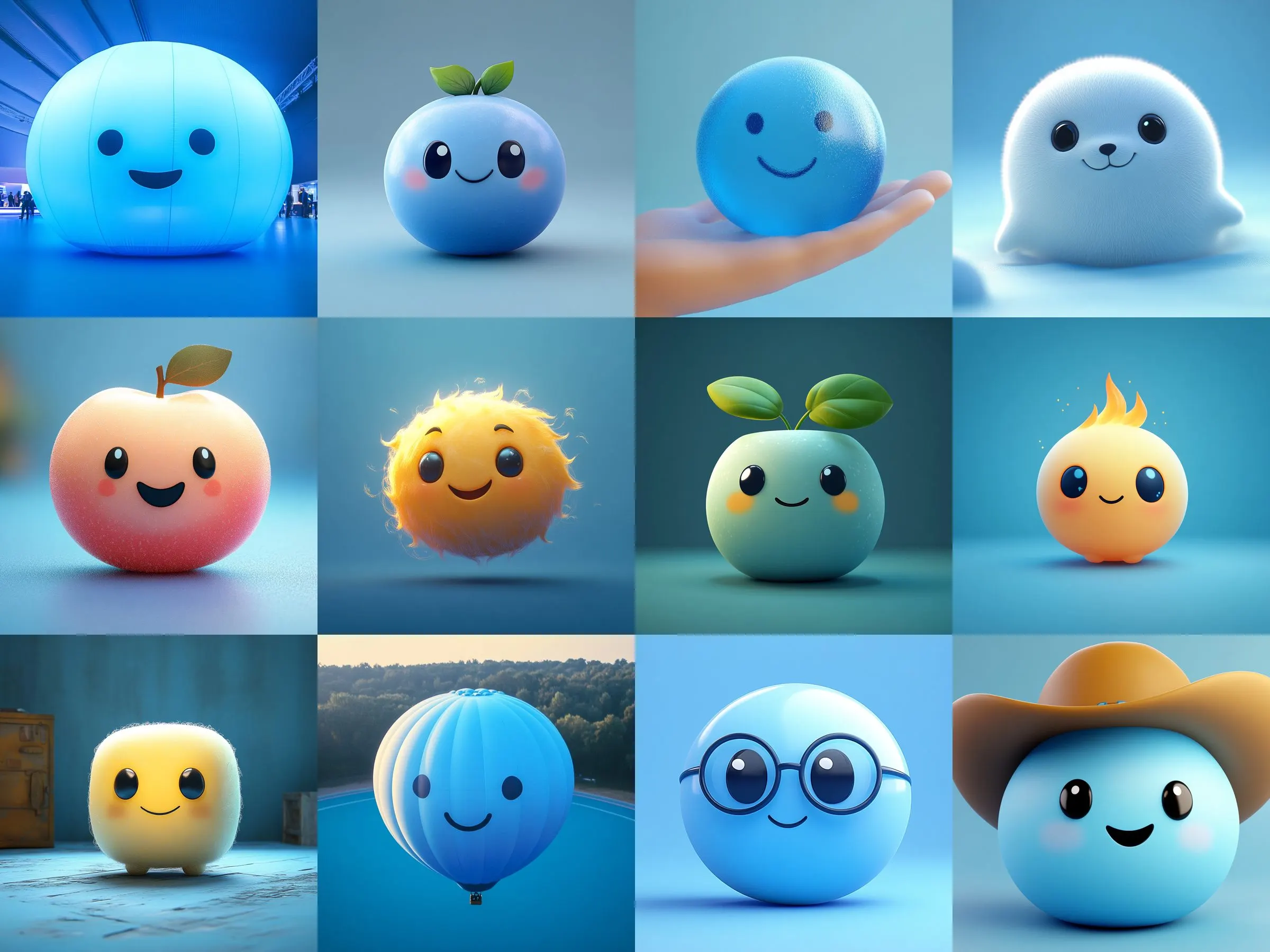
Early explorations, 2024 and 2025. Most were wrong, and that's what they were for. A blueberry is a joke you get once.
I wrote Dot down as a system, so anyone could use it without drawing it.
Art alone doesn't scale across a company. So I wrote the Dot Character Guide: who Dot is, how Dot talks, how Dot moves, and what each team had to do about it. Then came 12 emotions, and later 72 poses, so anyone on the team could use Dot without drawing it and Dot would still feel like Dot.
- Five traits
- Endlessly supportive, genuinely empathetic, warmly enthusiastic, consistently reliable, appropriately playful.
- A voice
- Empowering clarity, everyday inspiration, warm expertise. Everyday language, spoken straight to the person.
- Five core expressions
- Attentive, joyful, empathetic, thoughtful and playful. Each one tied to when it should appear.
- Three levels of celebration
- A small nod for everyday progress. A spin and a color shift for a milestone. Confetti and backflips only for a major accomplishment.
- A rule for hard moments
- When someone raises depression, self-harm, bullying or assault, Dot should never appear shocked, judgmental or dismissive. The expression shifts to a gentle stance, and Dot points to a counselor or other human support.
- Rules for each team
- Engineering, product design, marketing, writing and research each got their own list, from response timing to testing how Dot lands emotionally with different groups.
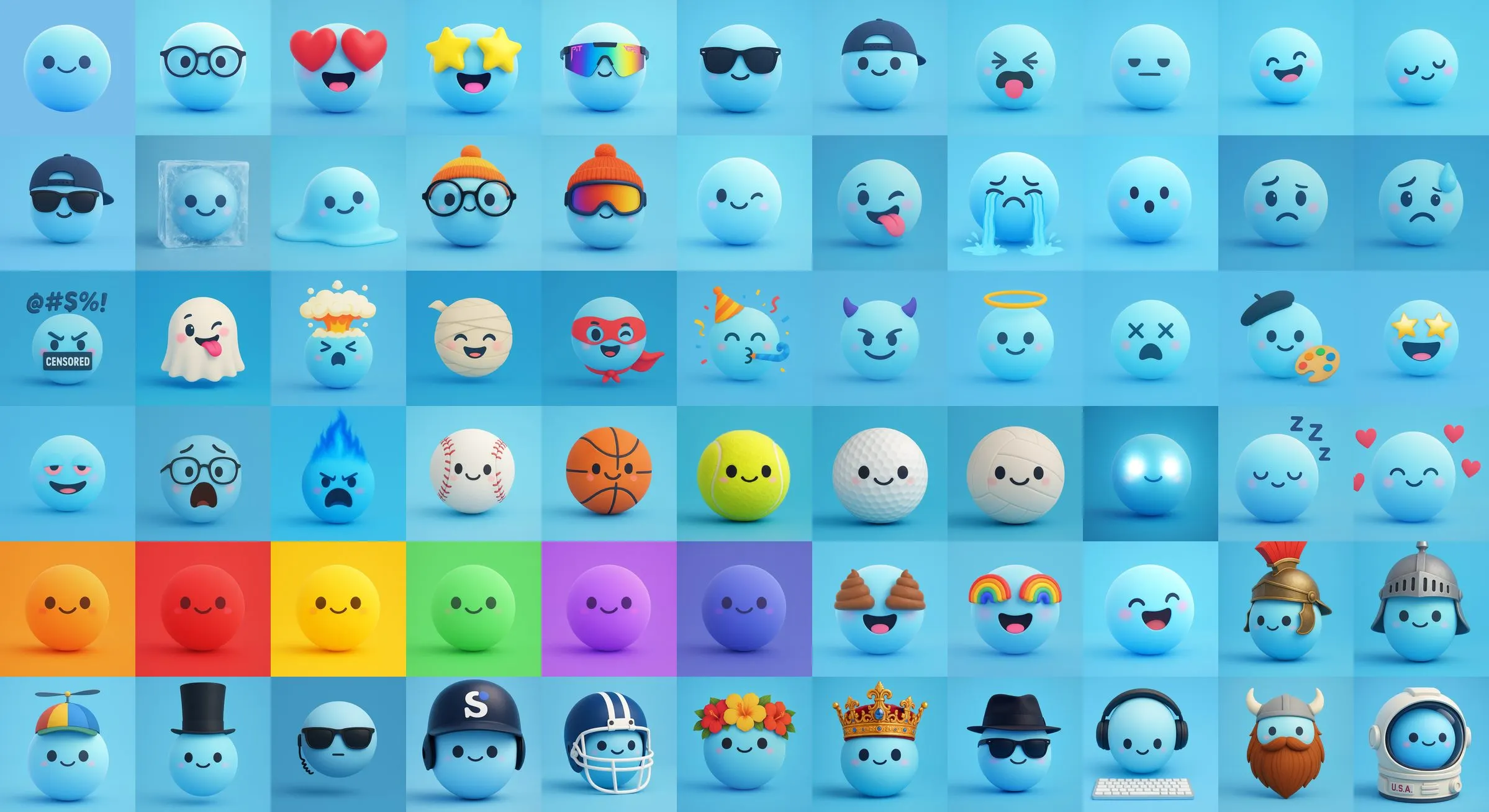
Most of the 72-pose set, June 2025, so nobody had to draw Dot to use it. Yes, one of them is swearing.
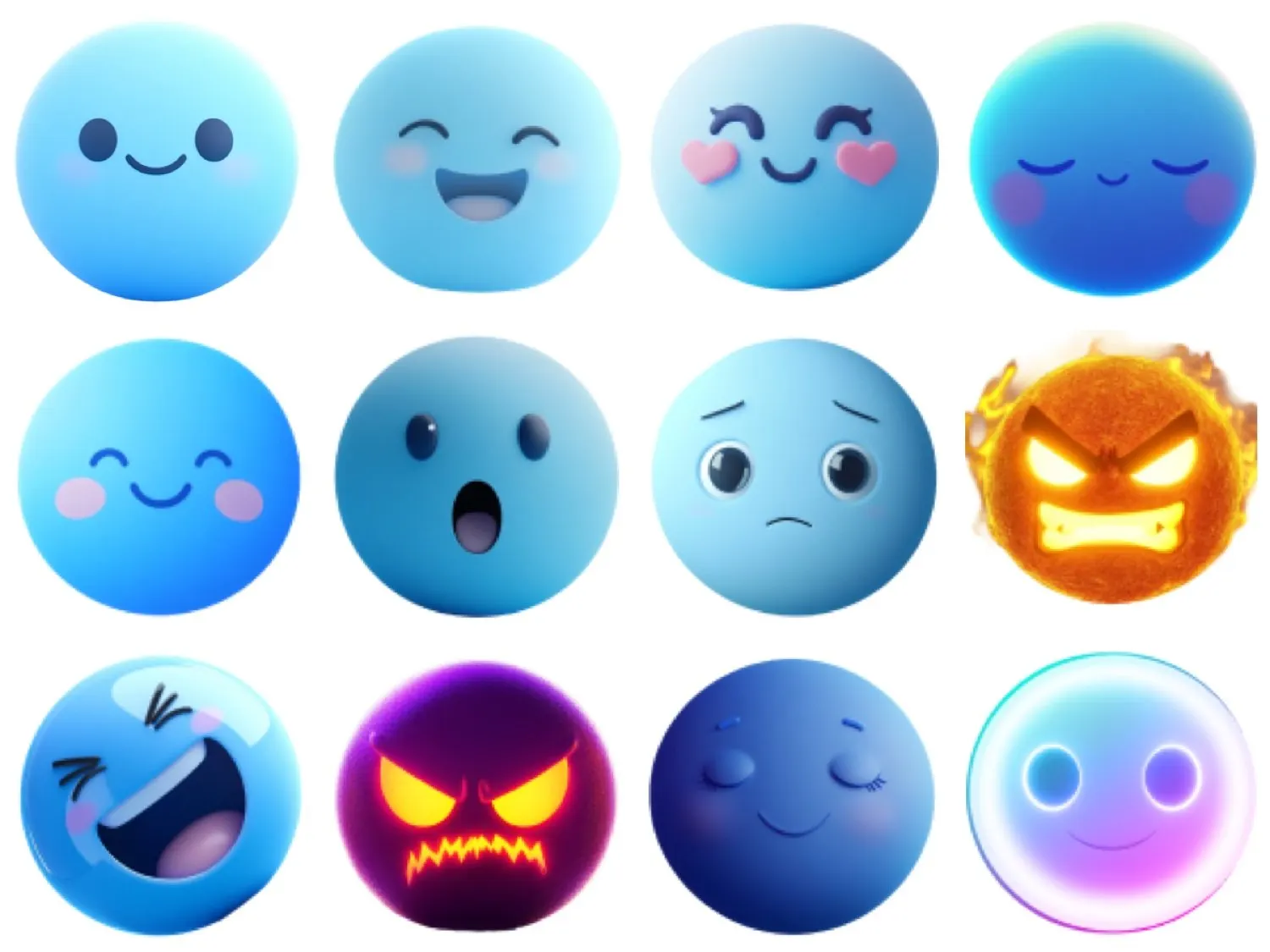
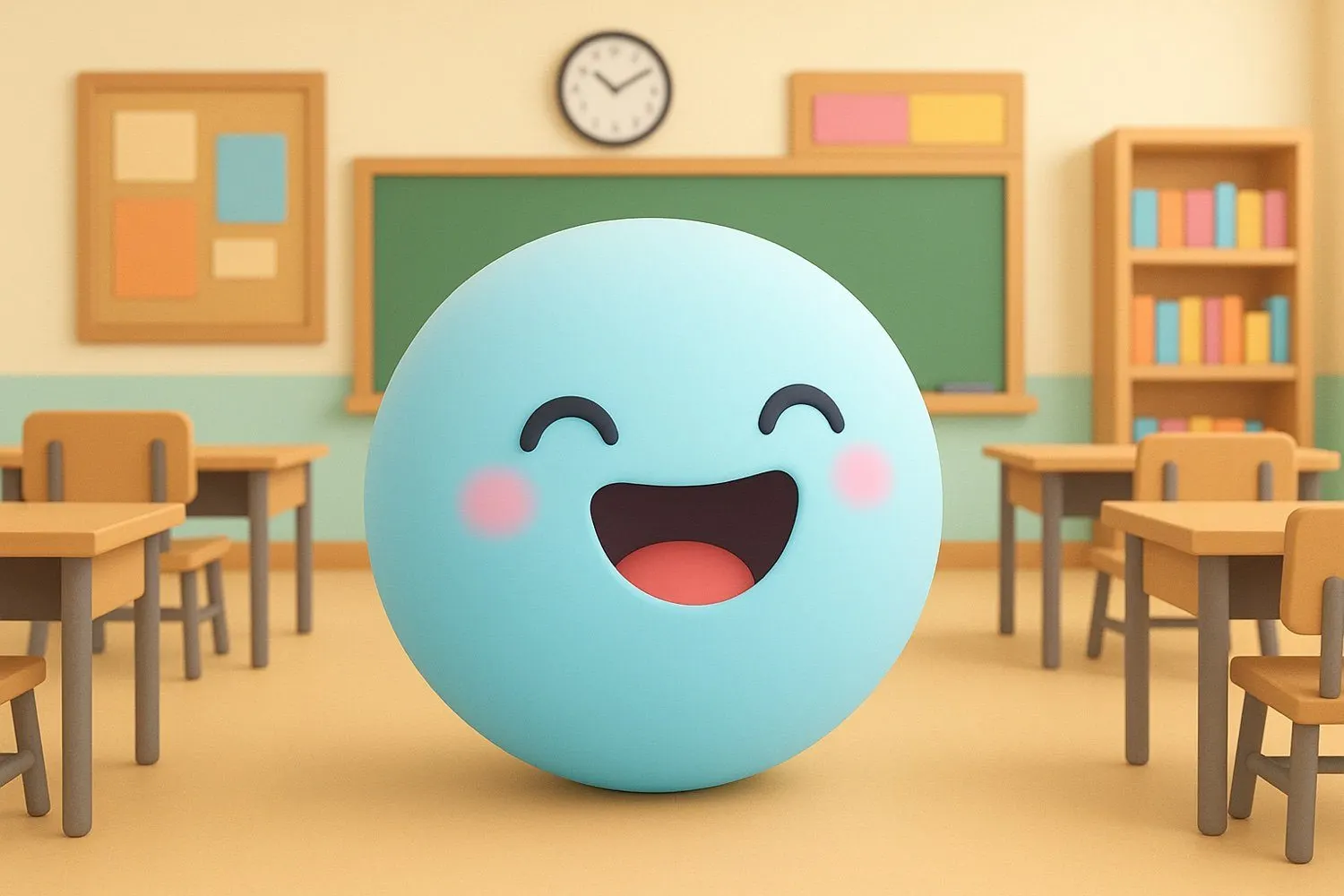
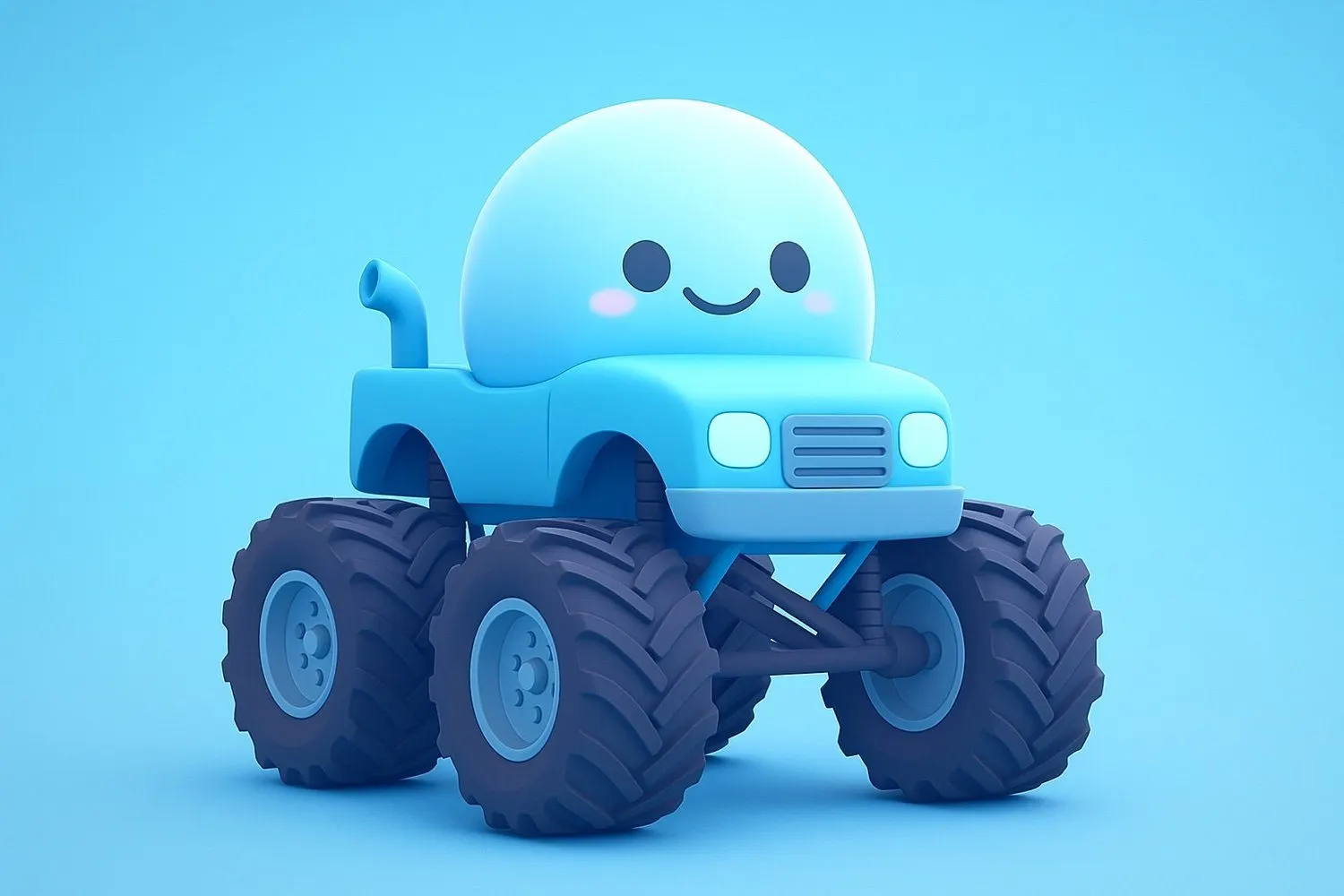

The 12 emotions from October 2024, then character art. Same Dot in every one.
A school Chromebook decides how much personality you get.
Motion is where a character comes alive, and classrooms run on low-powered laptops. I tested with Kling in January 2025, then wrote the brief for a Rive motion designer. It put performance above complexity, in writing. By April we had focused, rocking, steady and hover states. In June a design contractor made the art for a live puppet in Adobe Character Animator, and colleagues performed it.
The details are the character. A blink on a timer looks like a machine. So the brief asked for variation, and the character got much of its life from what it did when nobody was talking to it.
- Blinks
- Every 3 to 6 seconds, closed for a tenth of a second, with a double blink about 15% of the time.
- Movement
- A slight roll of 2 degrees side to side. Glances of 15 degrees that come back to center. A breath now and then, never constant.
- Idle cycle
- 15 to 20 seconds before small variations, enough to stop it feeling mechanical without pulling a student away from the work.
- Puppet rules
- No pupils, no eye whites, no teeth, and eyebrows only for emotion. 14 mouth shapes, 4 idles, front-facing only.
- Motion principles
- Buoyant and fluid, never sharp. Quick for surprise, slower for empathy. "Animations should enhance rather than distract."
Steady and hover, April 2025, and Dot building something. The brief put performance above complexity, in writing.
Once Dot was a system, marketing could run with it.
Office screens. A tower on an expo floor. A booth at ISTE. A billboard truck outside a conference. A live puppet for conference demos. Stickers, an iMessage sticker pack and a Dot song made with Suno. Once a character is a system, marketing can pick it up and run with it without waiting for design.

Dot left the app: an expo tower, a billboard truck outside a conference, and the office screens.
The ISTE booth, and a colleague at a control deck with Dot on screen.
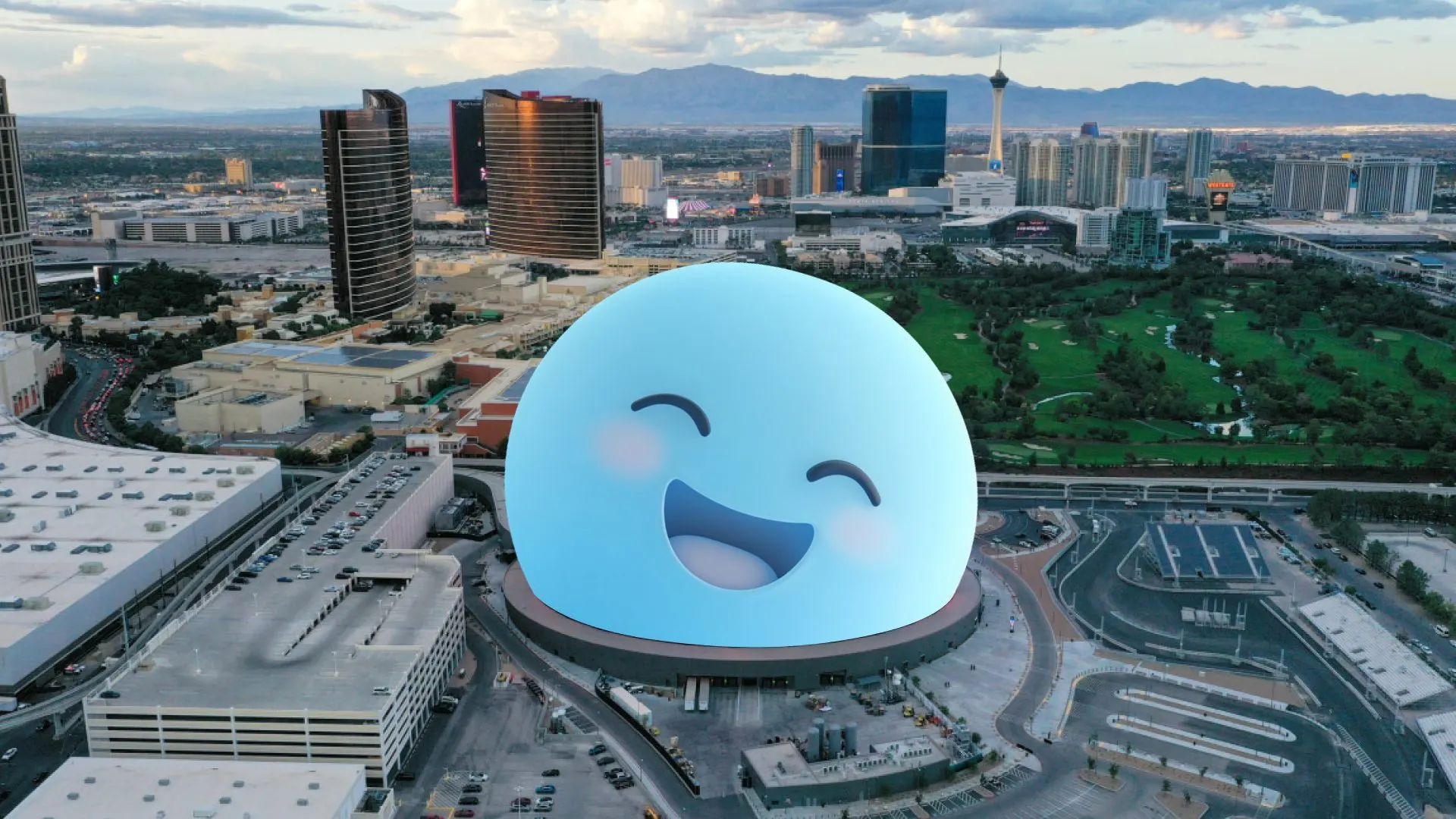
Concept art: how big could Dot get? The biggest screen in Las Vegas seemed like the right test.
Then people started making their own, and nobody asked them to.
Nobody asked them to. Teachers crocheted Dot. Someone baked it, someone carved it, someone painted it on their nails. One ended up in a wedding bouquet. One teacher crocheted a Dot while running a crochet camp on the day we launched a new interface, then posted about it.
This is as close as I get to a metric. "Kids draw Dot. Teachers put Dot stickers on laptops." I wrote that in a memo in 2026, as a reason to keep the face.


Yarn, a cookie, a wedding bouquet, nails, a pumpkin and stickers. This is as close as I get to a metric.
In February 2026 I argued the risk wasn't the face. It was the behavior.
Lawmakers had started looking hard at AI characters in products for students. Inside SchoolAI we were debating whether to keep Dot, change Dot or remove Dot. So I wrote down my position and said up front: "I designed Dot. I know that creates bias." I called it "a strong opinion, not a final decision."
My argument: the real risk isn't the face. The harm in the news came from how AI systems behaved. First-person emotional bonding language. Role-played relationships. Encouraged dependency. Failing to get help when a student was in crisis. "If we strip Dot to a logo and change nothing about how the AI responds, we haven't made students safer. We've just made ourselves feel like we did something." The questions that matter are whether teachers can see what's happening, whether students get help, and whether the guardrails hold.
I also asked people to poke holes in it. Then I proposed a system with options, so a law or a customer wouldn't force a rebrand.
- Full Dot
- The default where no restriction exists. Warm, recognizable, and distinctly not human.
- Faceless Dot
- Same shape, same color, no features. For higher ed, or any state that restricts AI characters for minors. "A configuration switch, not a rebrand."
- School mascots
- A district's own bear or eagle as its AI guide, clearly labeled as a tool.
- Full theming
- School colors across the product, in light and dark.
- Stronger behavior rules
- Better prompting and safeguards, whatever the character looks like.
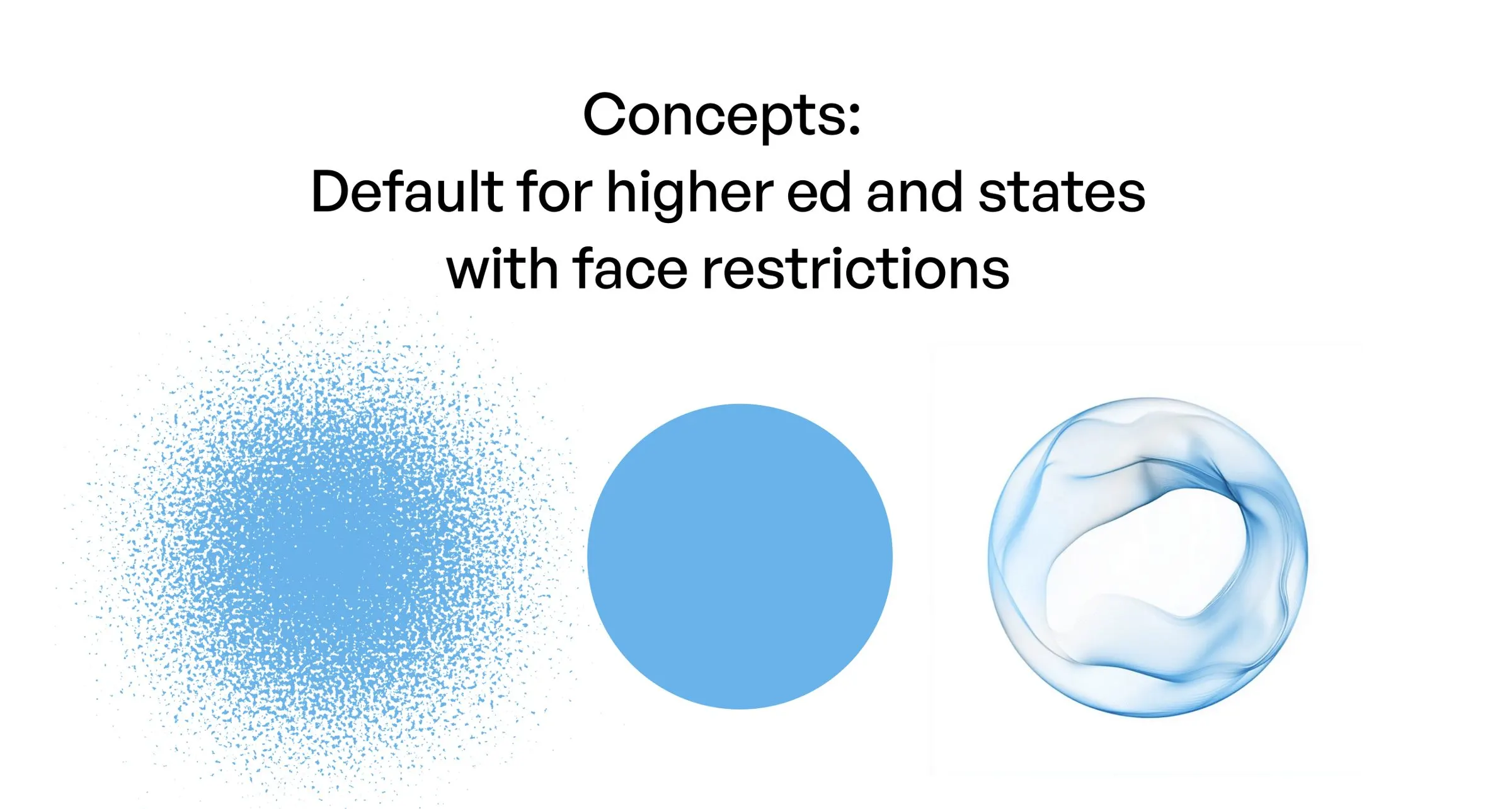
Faceless concepts, February 2026. My note on the page said not to anchor on them.
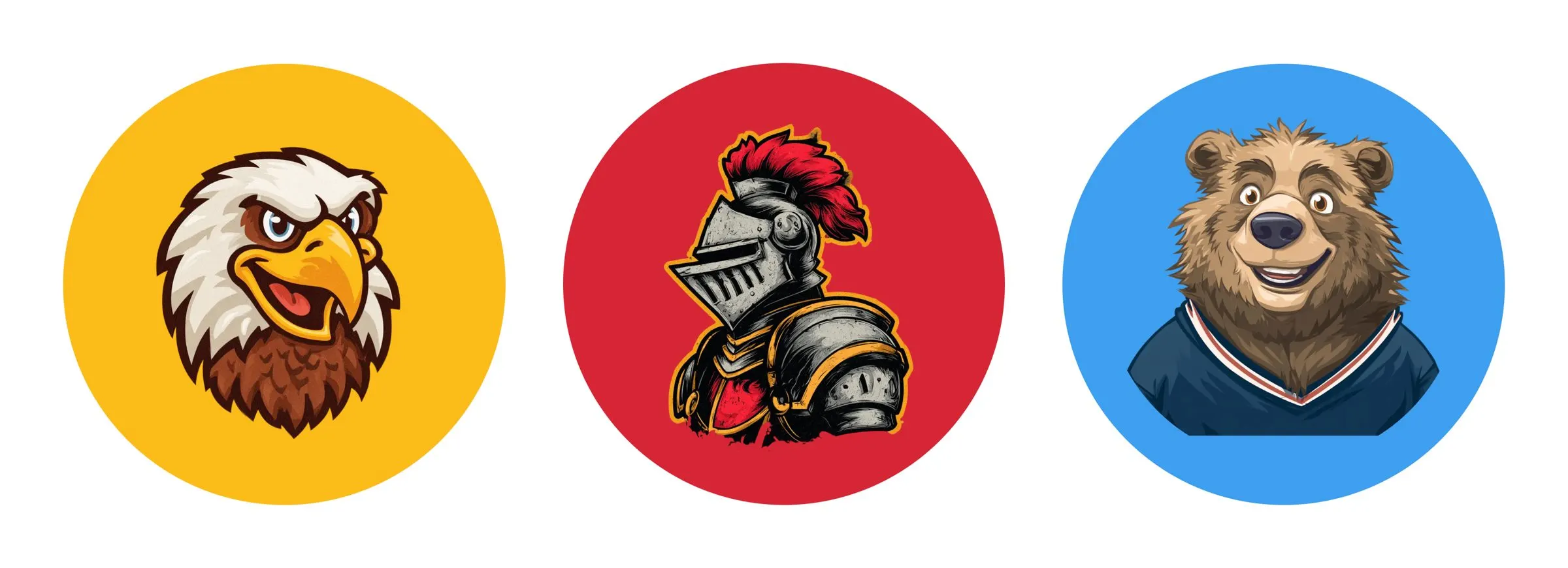
About seven weeks later, we went further: the face came out.
We went further than my memo. At the start of April 2026, Dot stopped appearing with a face in student and teacher interactions. A clean abstract circle took its place, live in the product. The mascot stayed in the brand, the marketing and the community.
We said why in public, in plain words. People have long formed one-sided bonds with characters on screen, and children especially. A TV character is passive. AI responds, remembers and adapts. Give it a name, a face and a steady personality and that bond gets stronger. Students should know what kind of thing they're talking to. No regulation told us to do it.
And the words changed along with the art. When a student is stuck, Dot asks the next question instead of giving the answer. When a student is frustrated, Dot says what it observes: "it looks like this is frustrating." It doesn't say "I know exactly how you feel."
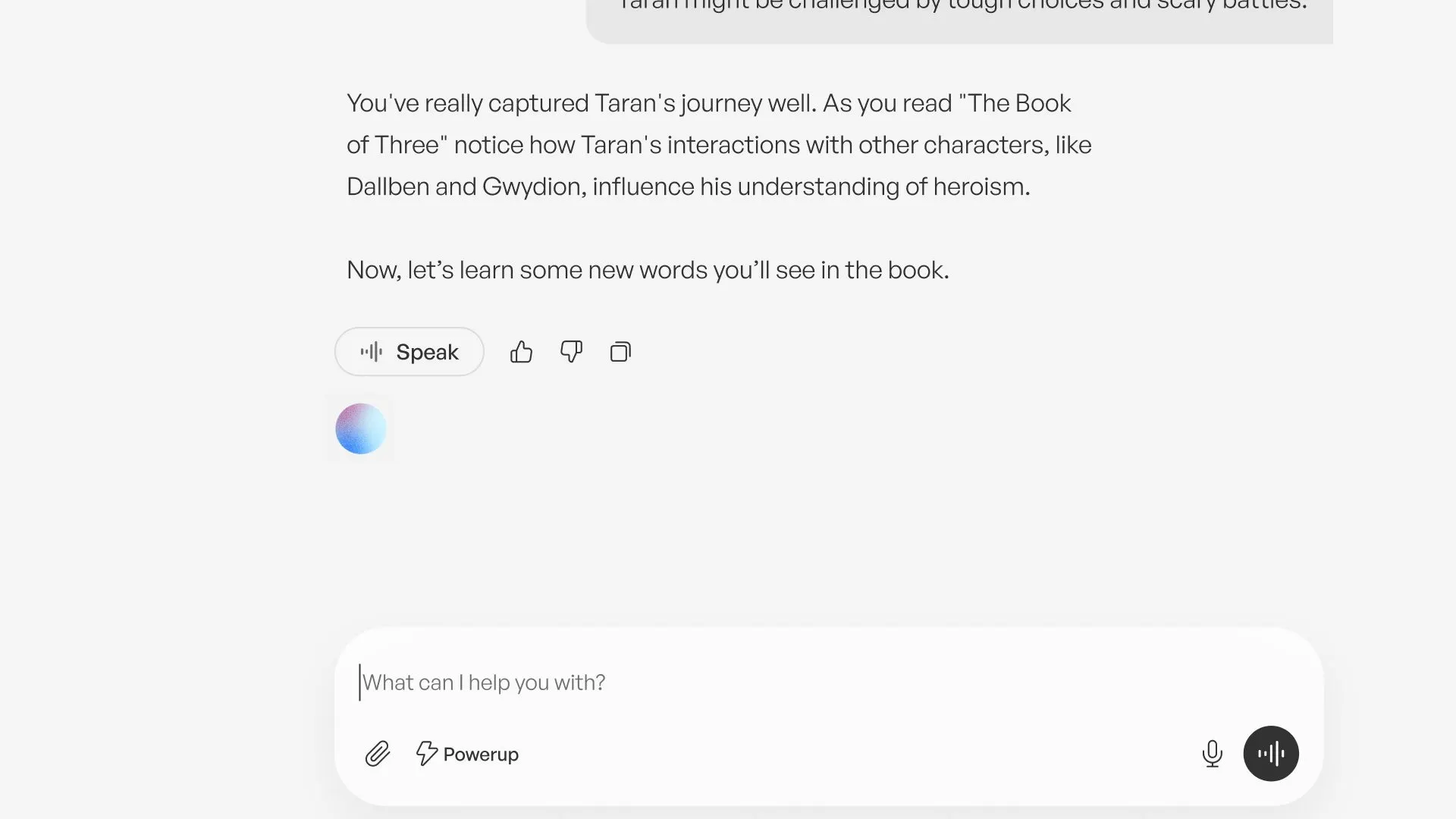
- What went live
- The new Dot at large size and in chat. Steady, thinking and click states. A "Why the new look?" button beside each one, opening the launch film and a link to the blog post.
- My part
- The film script with a colleague, the second cut, the music with our video editor, the images for the blog, and a draft of the written explanation.
- Everyone else's
- Our VP of Safety and Ethics was on film and finalized the blog. A design contractor updated the Rive contrast. Two engineers put it in production. Marketing published the post and ran the social.
- How it ran
- One checklist with one dependency map. Product, blog and internal comms went out in one night. External posts followed the next morning.
A mascot doesn't talk back. The thing in the chat does.
That's the line we ended up drawing. It's easier to see when you put what I wrote in 2024 next to what we shipped in 2026.
- What Dot is
- 2024: "a best friend to every SchoolAI user." 2026: "an AI tool, not a person."
- The pronoun
- 2024: the guide calls Dot "they." 2026: the announcement calls Dot "it."
- Feelings
- 2024, in a sample reply: "Thank you for trusting me with this." 2026: "it looks like this is frustrating."
- The hello
- January 2025: "I'm Dot, your AI Assistant!" March 2026: "What can I help you with?"
- What stayed
- 2024: guide people toward a counselor or other human support. 2026: redirect to the trusted adult in the room. That part never needed changing.
I wrote the 2024 lines for warmth.
The 2026 lines keep the warmth and drop the pretending. Those fan photos are mostly adults having fun, and I'm glad they exist. The harder question is what a young student does with the same character once it answers back. A crochet Dot can't do that. The one in the product can.
A character decision is a product decision and a safety decision.
Here's what I'd put in front of any team about to give an AI a personality. You're answering these whether you mean to or not.
- What shape is it?
- A person, an animal or an object each invite a different relationship. A sphere can't be mistaken for a person.
- How alive should it look?
- Every detail makes it read as more alive: a pupil, a tooth, an eyebrow, a blink that isn't on a timer. Pick how far you want to go, on purpose.
- Who gets to say "I feel"?
- A face in the interface and the word "I" in a sentence do the same job. Write rules for both, together.
- What does it do when a child is in trouble?
- An empathy animation is a promise. It needs rules, content filtering and a fast path to a real person.
- What does it celebrate?
- Confetti teaches people what counts. Ration it, or it stops meaning anything and starts pulling focus from the learning.
- What can the cheapest device run?
- The classroom laptop sets the budget for personality. Find out before the designer falls in love with the rig.
- Is it a setting or a rebrand?
- Treat the character as something the product can swap. Rules, laws and customers change, and you don't want a fire drill every time.
- Is the mascot the same thing as the interface?
- It doesn't have to be. You can keep a character people love in your brand and still be clear about what's on the other side of the chat.
- Can a teacher see what happened?
- The character is one layer. Oversight, escalation and boundaries do more for safety than any drawing, with or without a face.
AI tools to explore, craft tools for the parts that had to be exact.
Image models for the exploration rounds and early motion tests. Rive for the product, a live puppet for conferences, and Notion for the guide, briefs and memo.
- DALL-EFirst character prompts
- MidjourneyExploration rounds, poses
- KlingEarly image-to-video tests
- RiveProduct motion states
- Character AnimatorLive conference puppet
- IllustratorPuppet art, by a contractor
- Control deckRunning Dot on screen
- HeyGenA puppet test
- RotatoIntro swing-around tests
- SunoA Dot song
- XcodeiMessage sticker pack
- NotionThe guide, briefs and memo
What I can't claim
- I argued for the option we didn't ship. The product went further than my memo, and I can't show you a before and after that settles who was right.
- I have no usage, retention, satisfaction or safety numbers for Dot. "Most beloved" is my framing. The evidence is what people made.
- I can't show you how teachers and students reacted to the change, or whether it moved anything.
- I can't say the mascot and theming ideas from my memo shipped. Those were proposals.
- In 2024 I wrote "best friend." I wouldn't write that today.
Your AI has a personality whether you design one or not.
I'd rather design it, and know what it's doing to the people on the other side.
Start a conversation