
$20M raised for a home nobody had a word for.
A crowdfunding raise that had gone flat under $1M finished at $14.0M from 2,096 investors on Wefunder. We kept raising from direct investors, to $20M in all, and two agreements with the Navajo Nation were announced at $74M. As VP of Marketing and Design I led design and marketing, ran the campaign end to end, and played a key leadership role in those agreements. Here's how I did it, and the decisions that made it work.
What happened.
We raised $20M in all: $14.0M from 2,096 investors on Wefunder, then direct investors after it closed. In March 2024, two agreements with the Navajo Nation were announced: $50M for housing and $24M for a new factory.
You can check the Wefunder total on the campaign page, and the mid-raise number on Crowdfunding Demystified. The Navajo Nation agreements are as announced in March 2024, and KSL covered them.
People couldn't picture it, so they couldn't fund it.
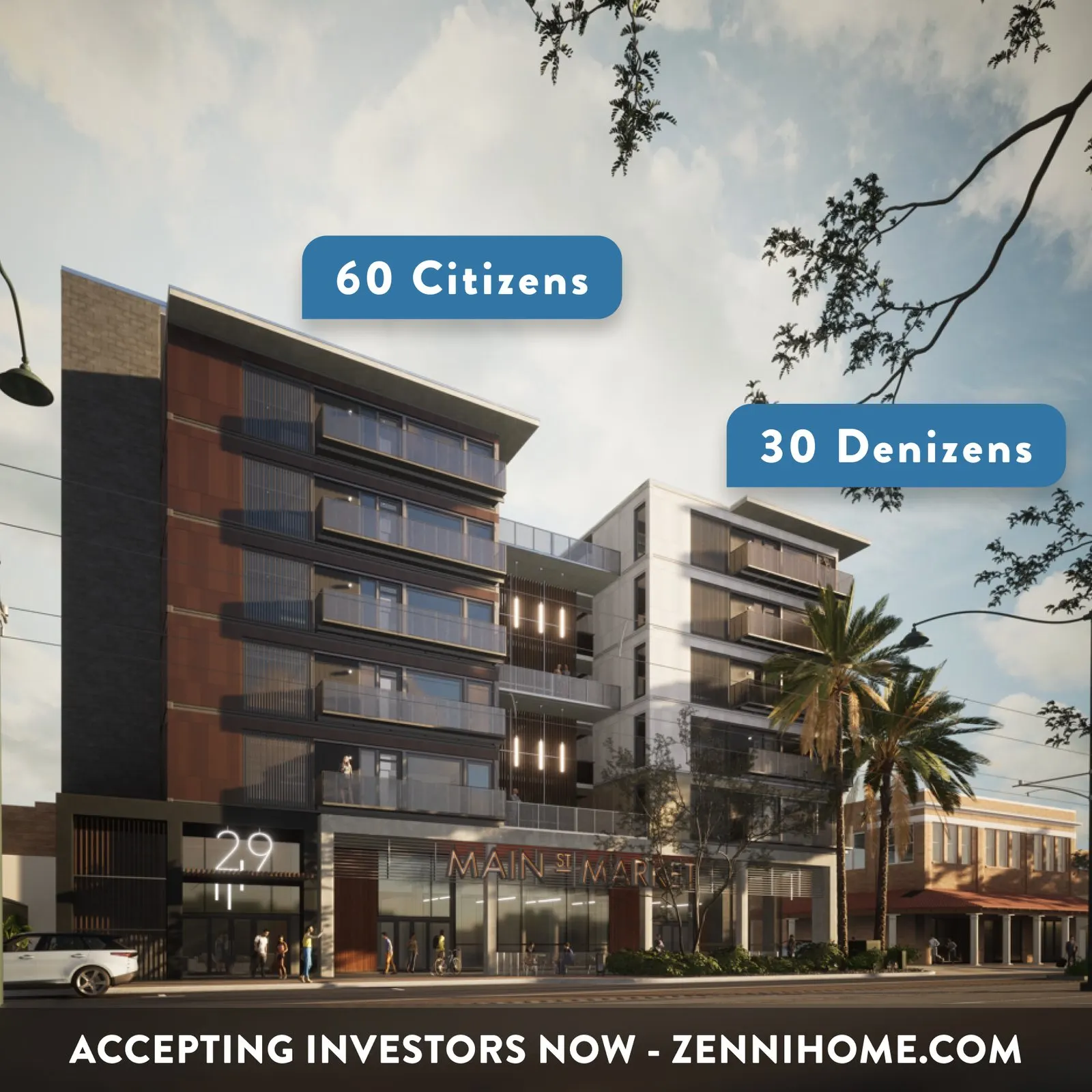
ZenniHome built steel homes in a factory on the Navajo Nation, near Page, Arizona. Two models, the Denizen and the Citizen. Beds and walls that move, so a small home lives bigger. Stack them and you get an apartment building.
After three years of quiet work, it still didn't fit any word people knew. Tiny home, mobile home and RV were all wrong. You can't raise money for something people can't picture, so the first job was to make it easy to picture.
I started in May 2023 and led design and marketing. In practice that meant the raise, the decks, the videos, the website, the press, customer support and most things touching technology.
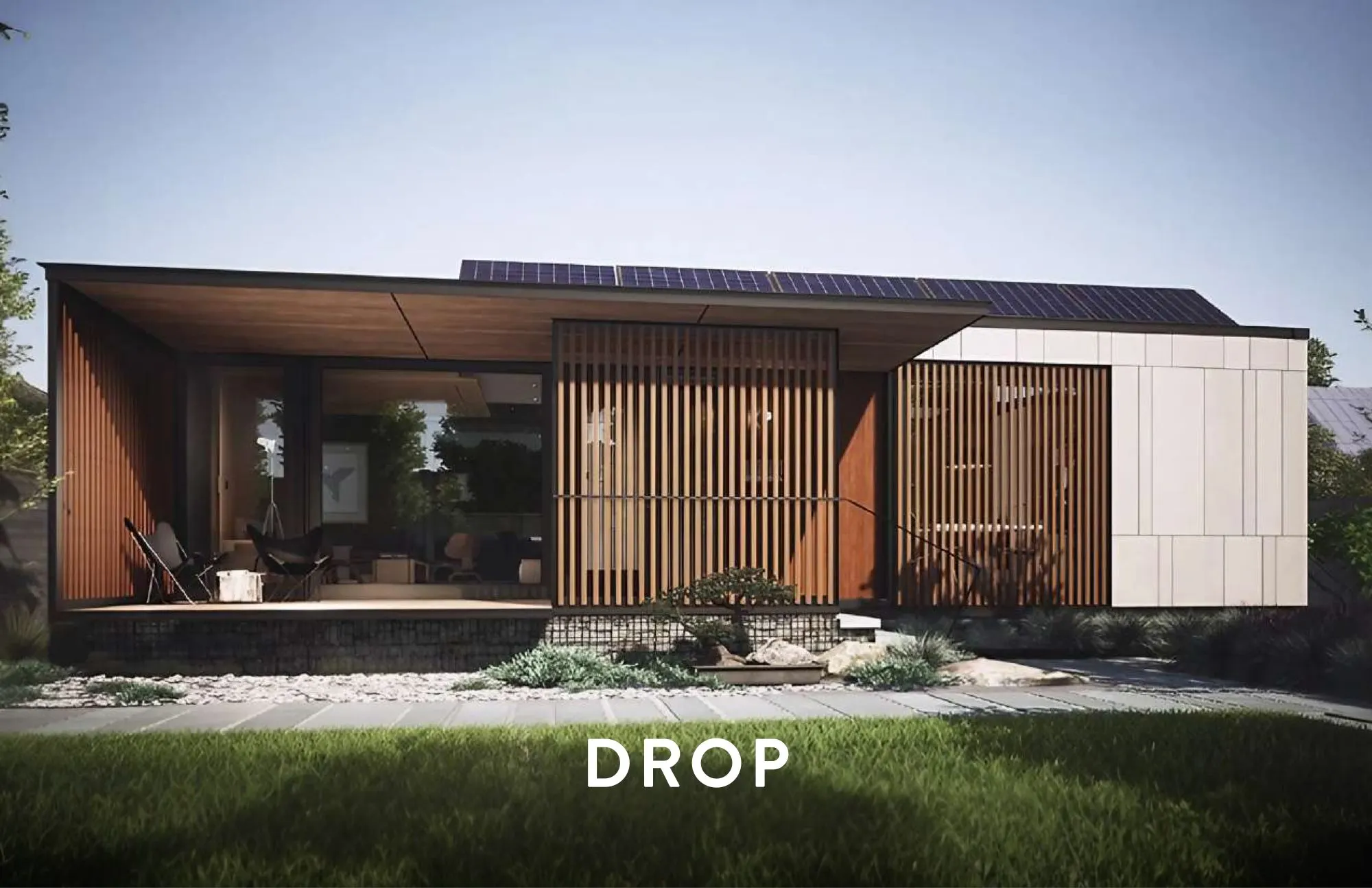
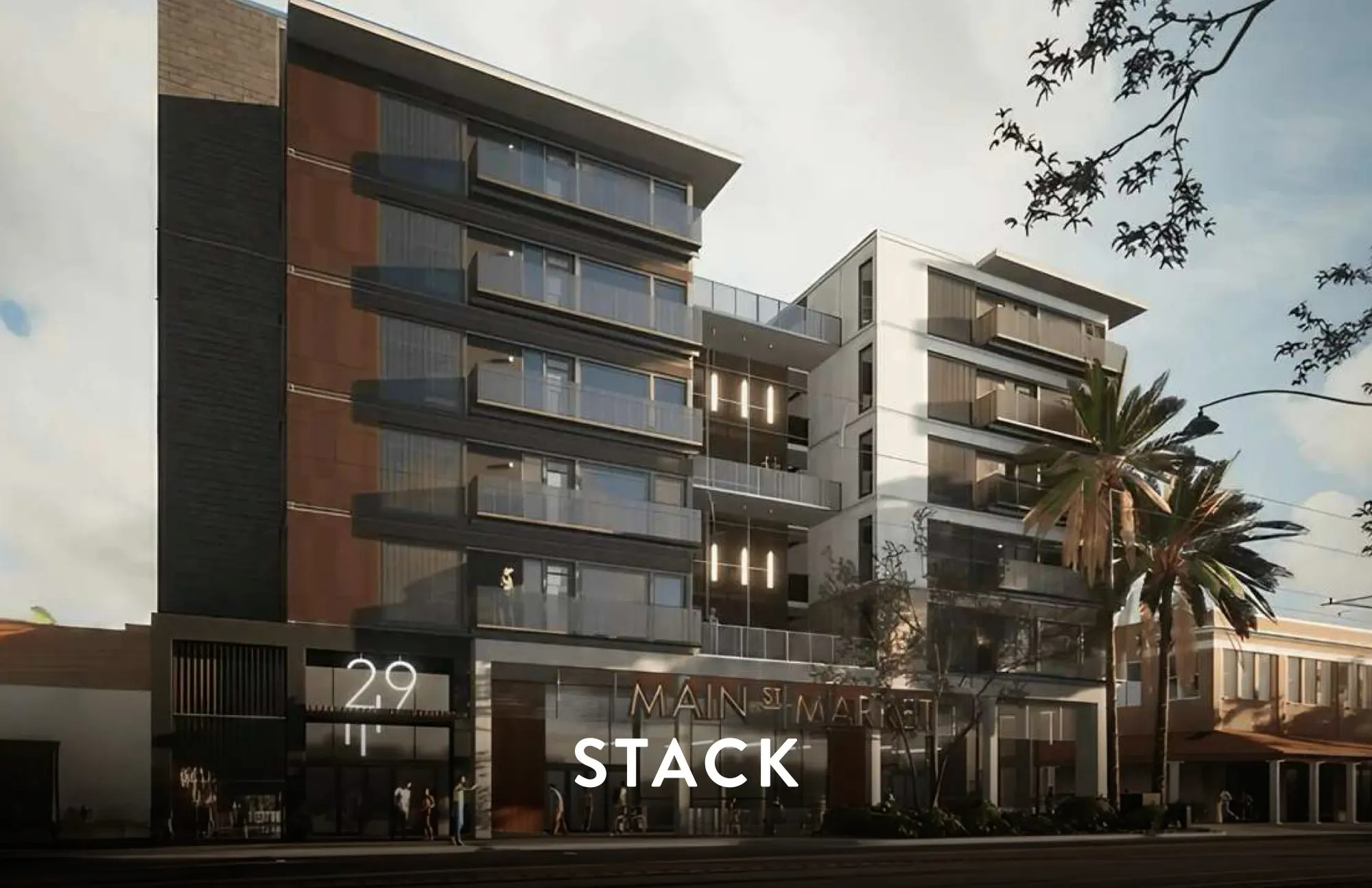
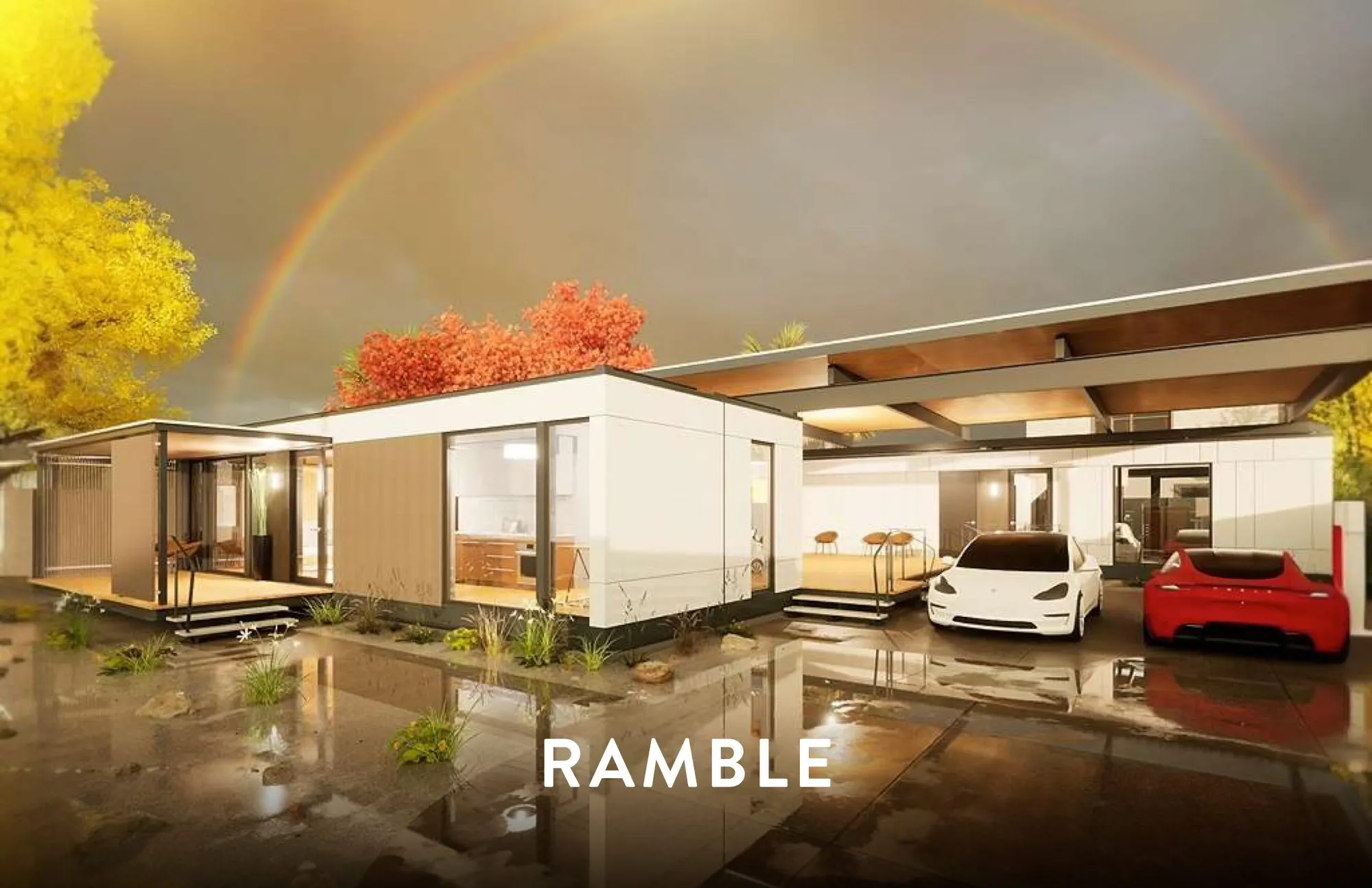
The first job was making it easy to picture. One home, three ways to use it, from the investor print deck. Renderings.
I rebuilt the deck around what made people gasp on tours.
My first win was rewriting the pitch deck. My notes on the draft were blunt: "Icons look like clip art." "Definitely put the transforming bed!" "Make bigger deal about JV with Navajo Nation." I rebuilt it around what made people gasp on tours.
After that came a short deck, an investor print deck, tear sheets, webinar decks and a conference talk. Each one had a job. I've left the money slides out of this page.
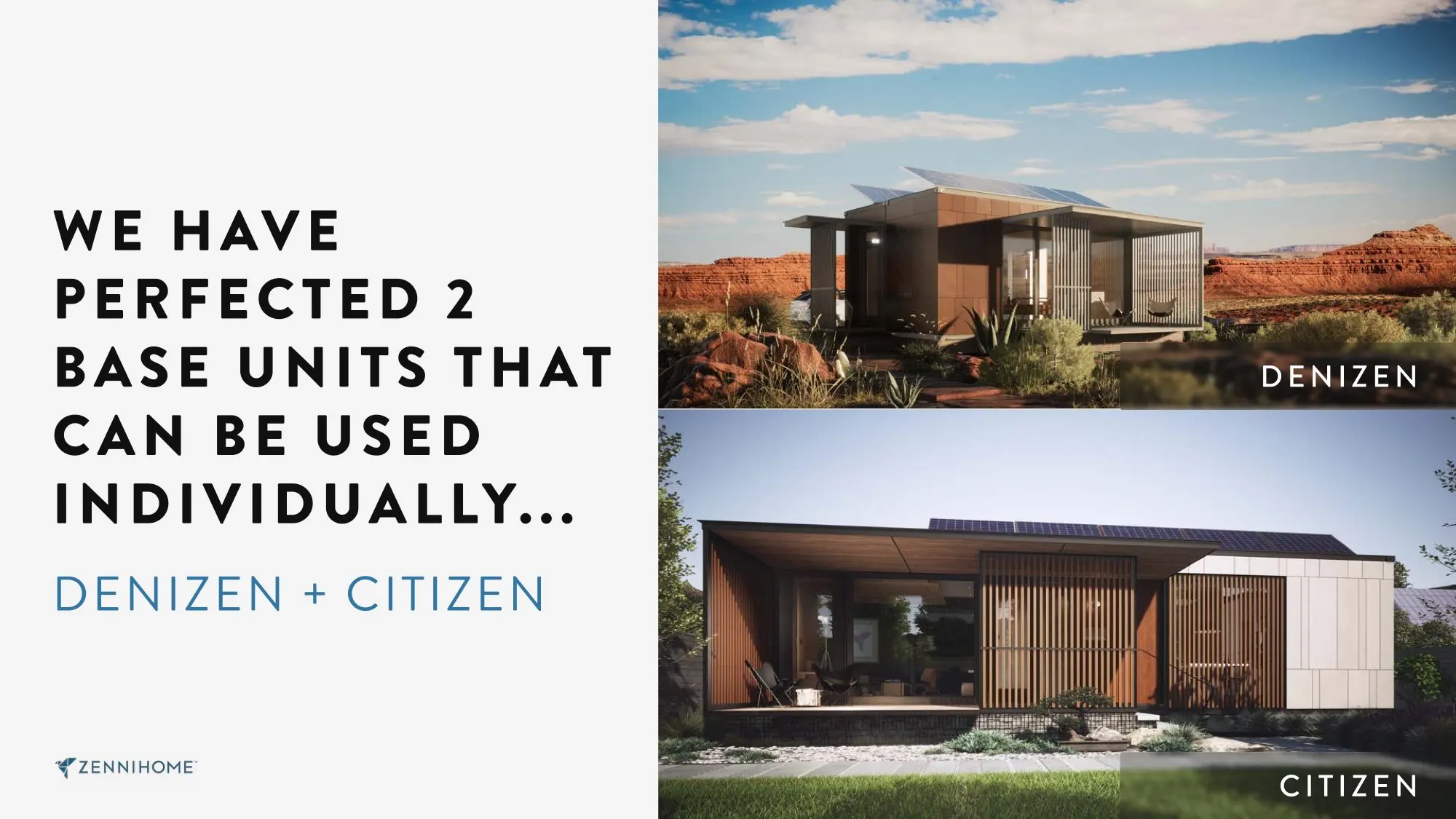
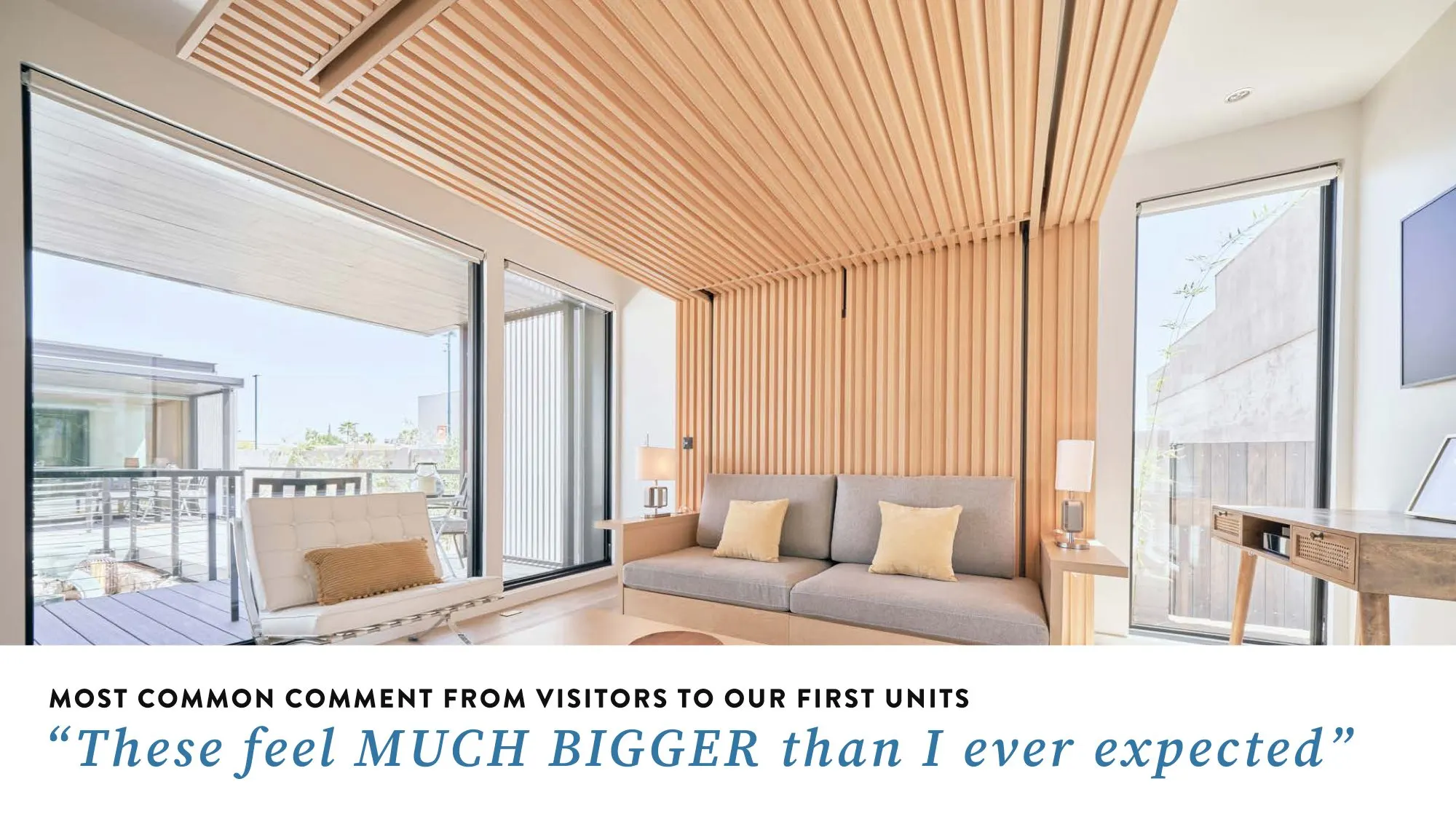
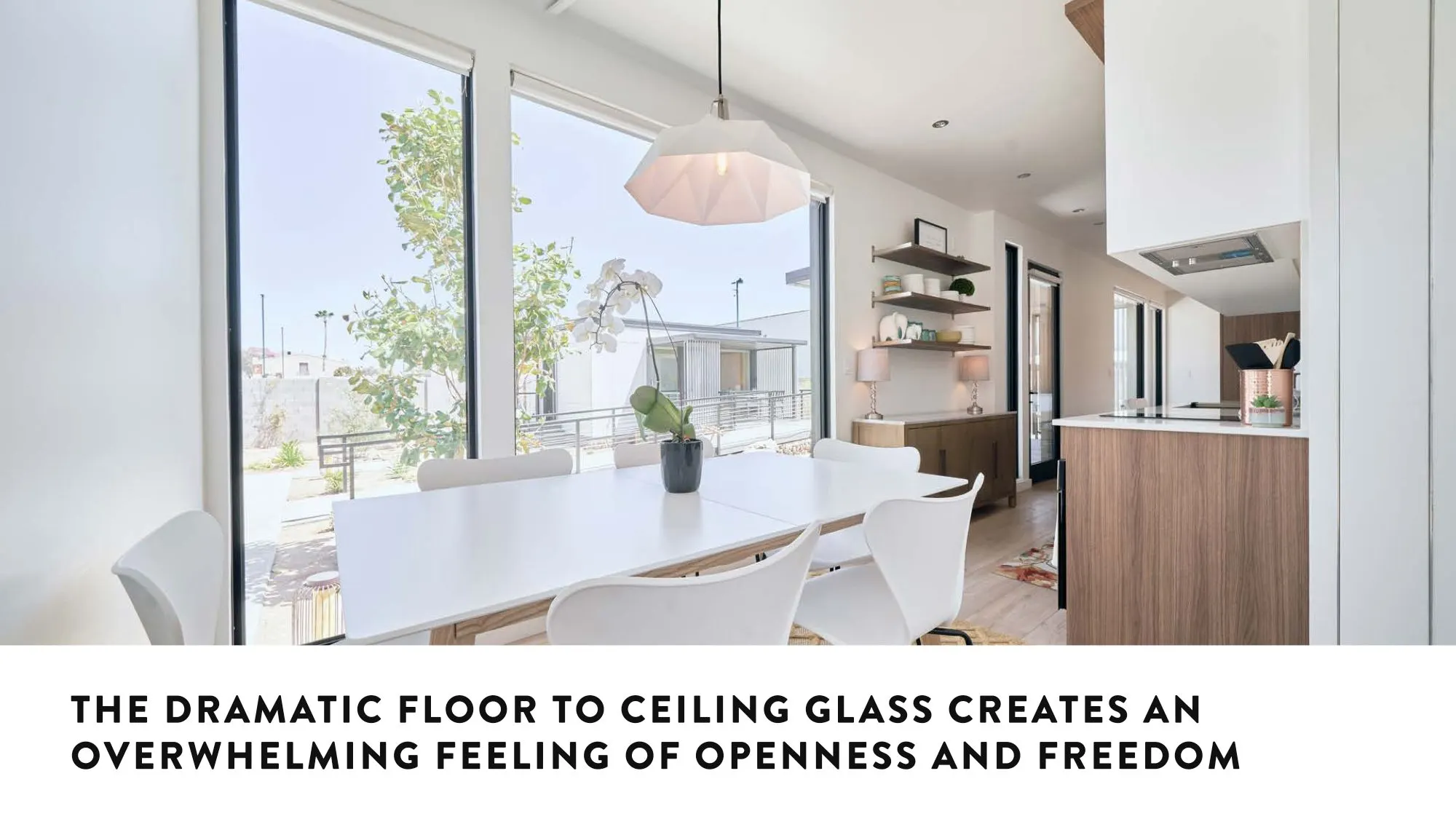
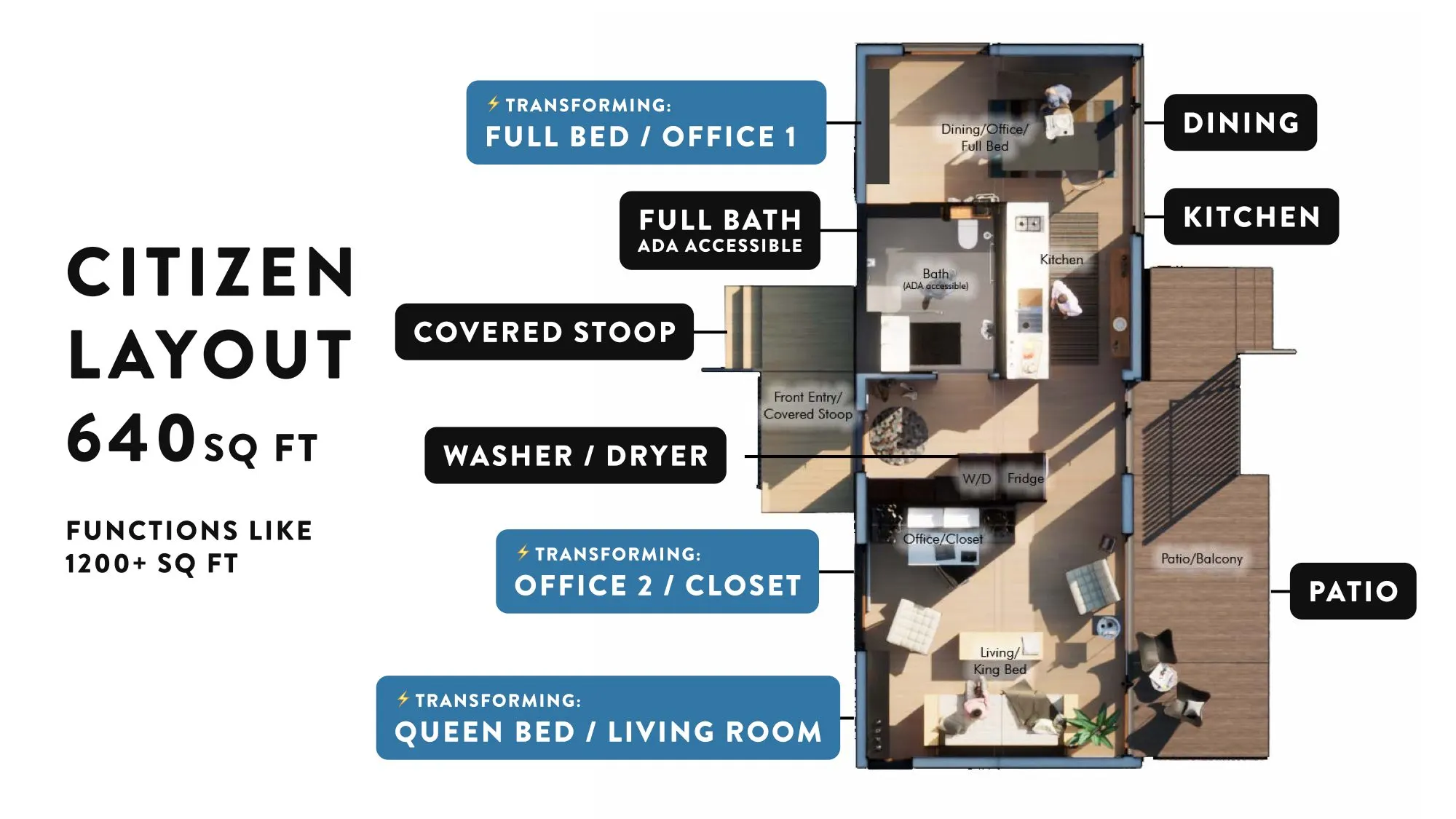
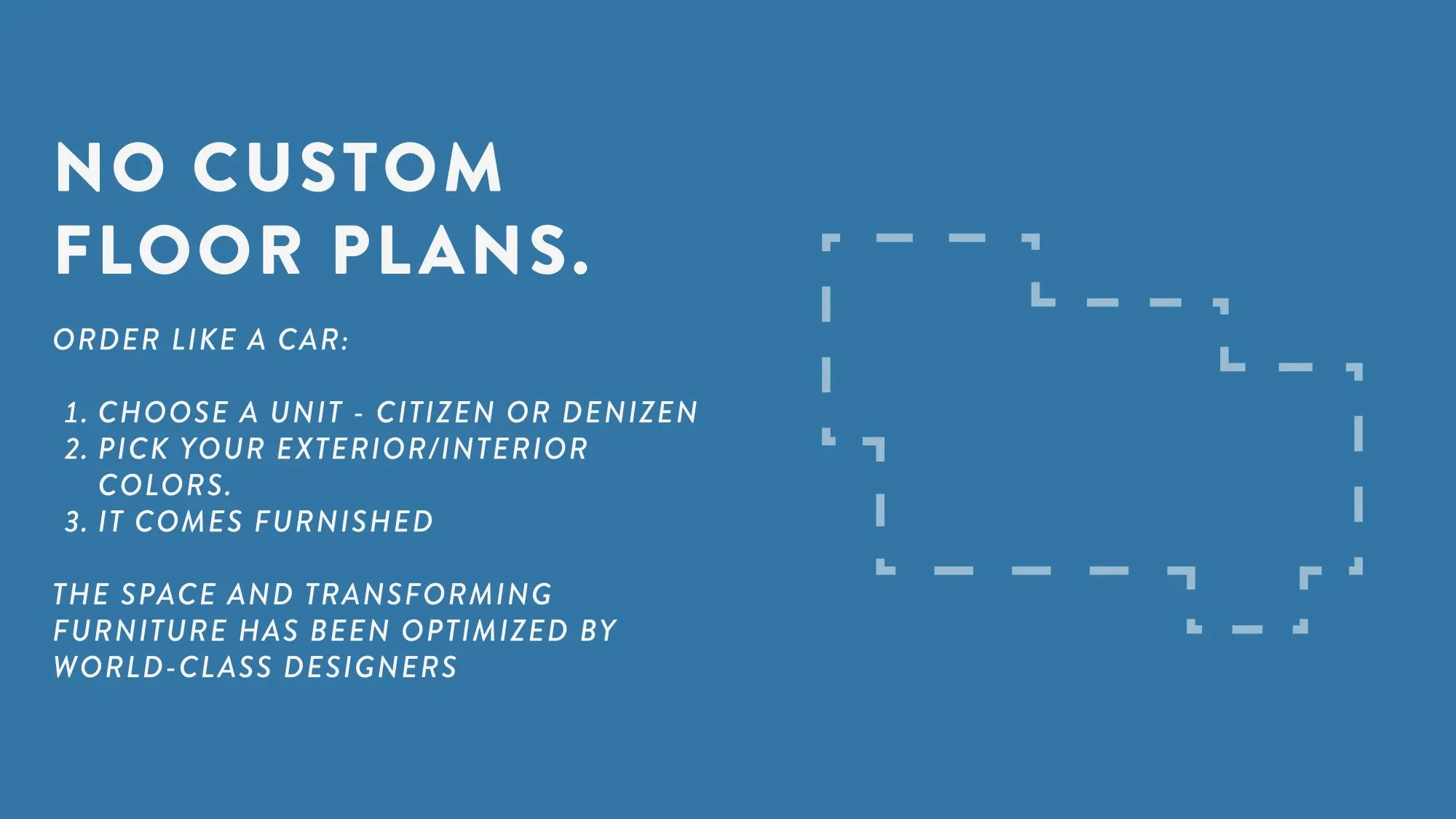
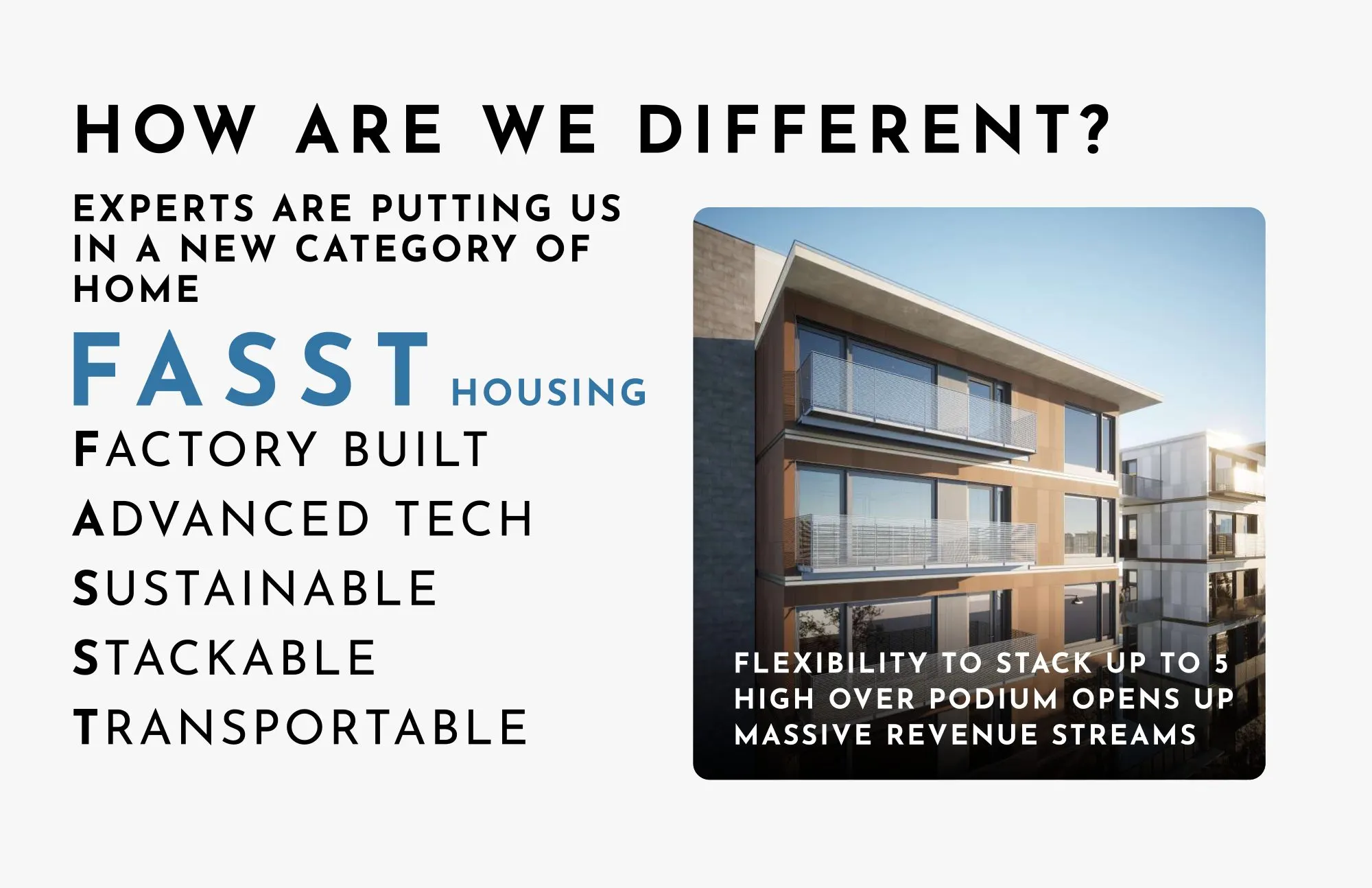
Six slides. "These feel much bigger than I ever expected" was the most common thing visitors said, so it went on a slide. FASST housing gave investors a word for it.
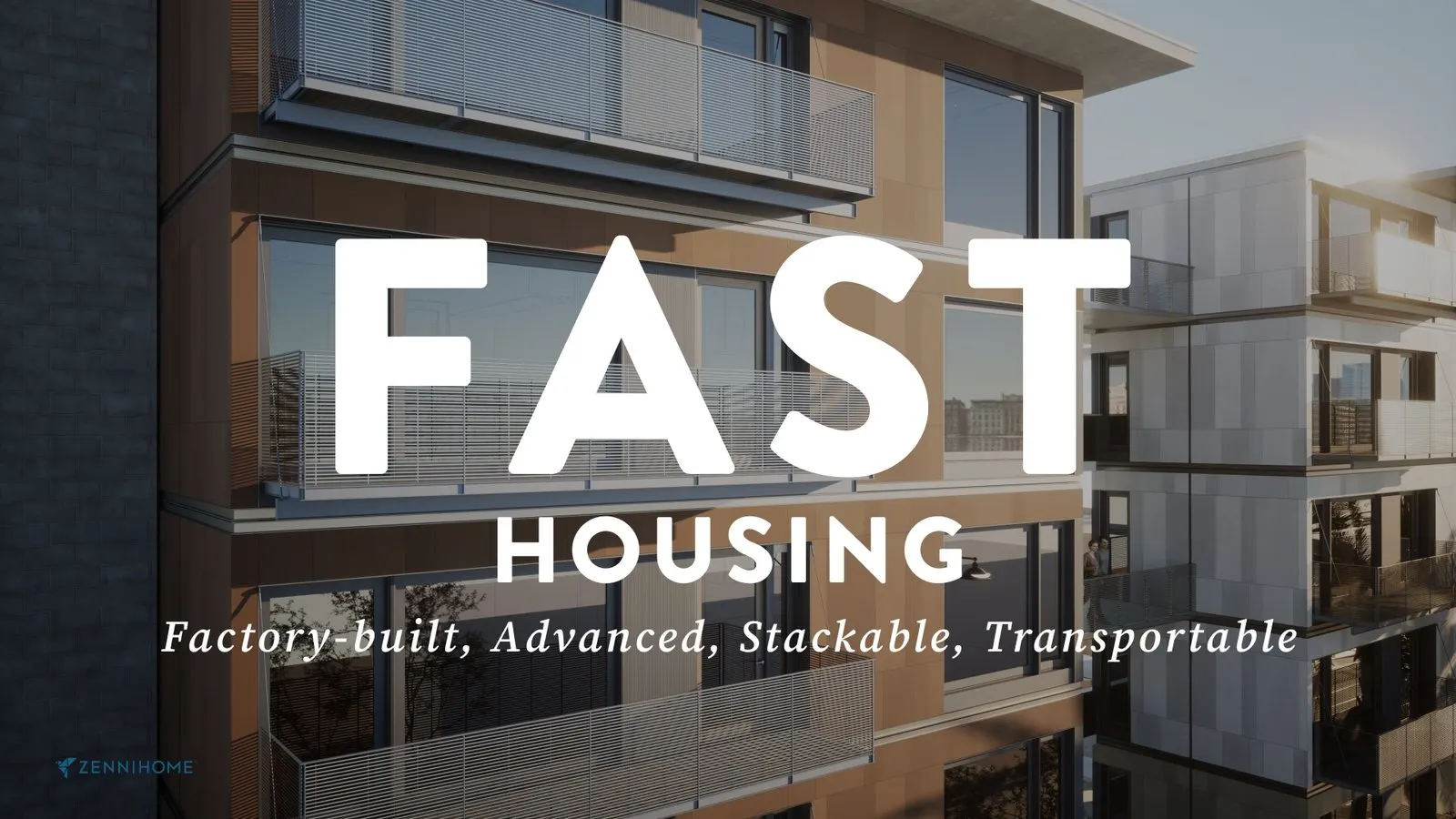
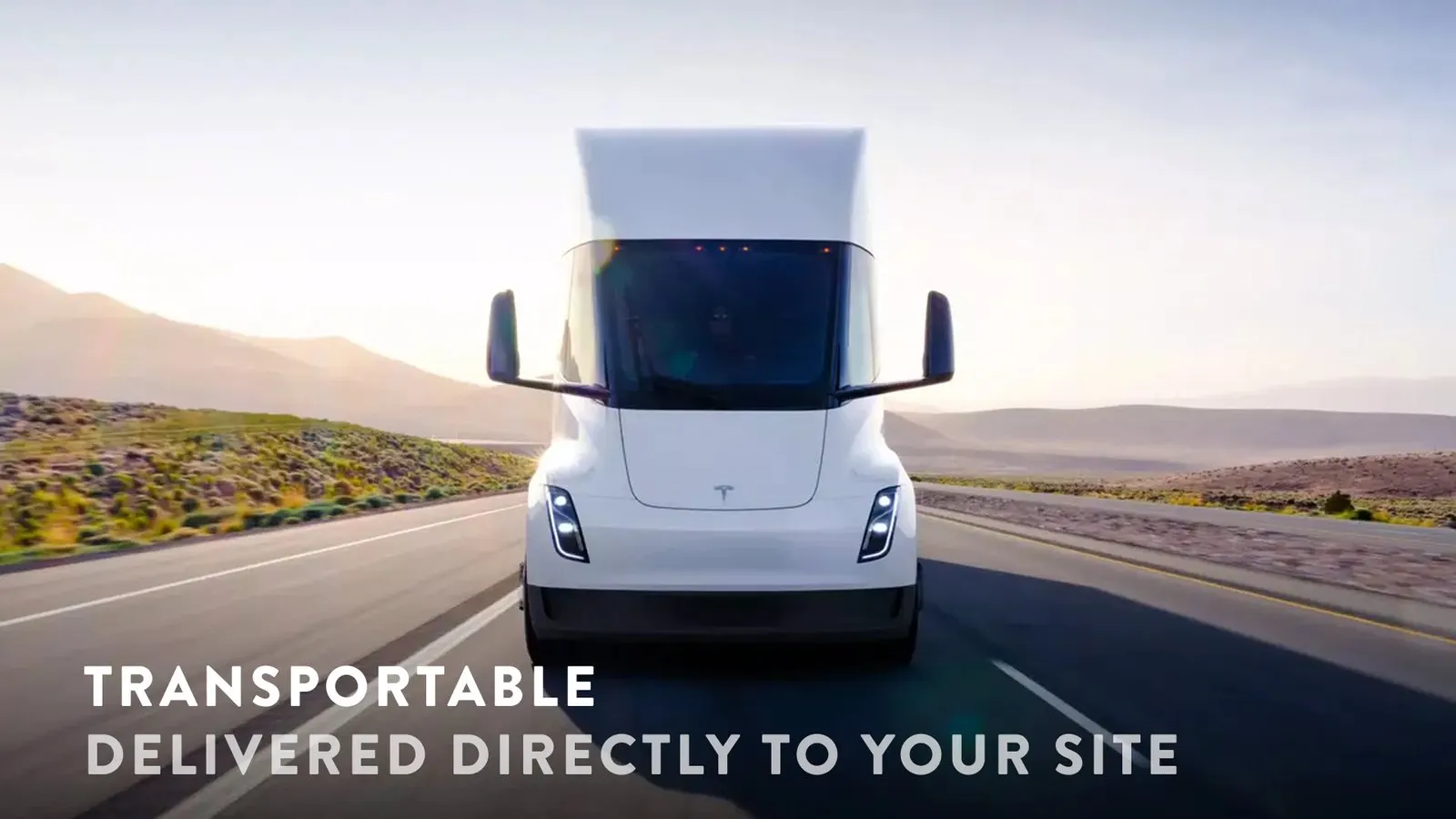
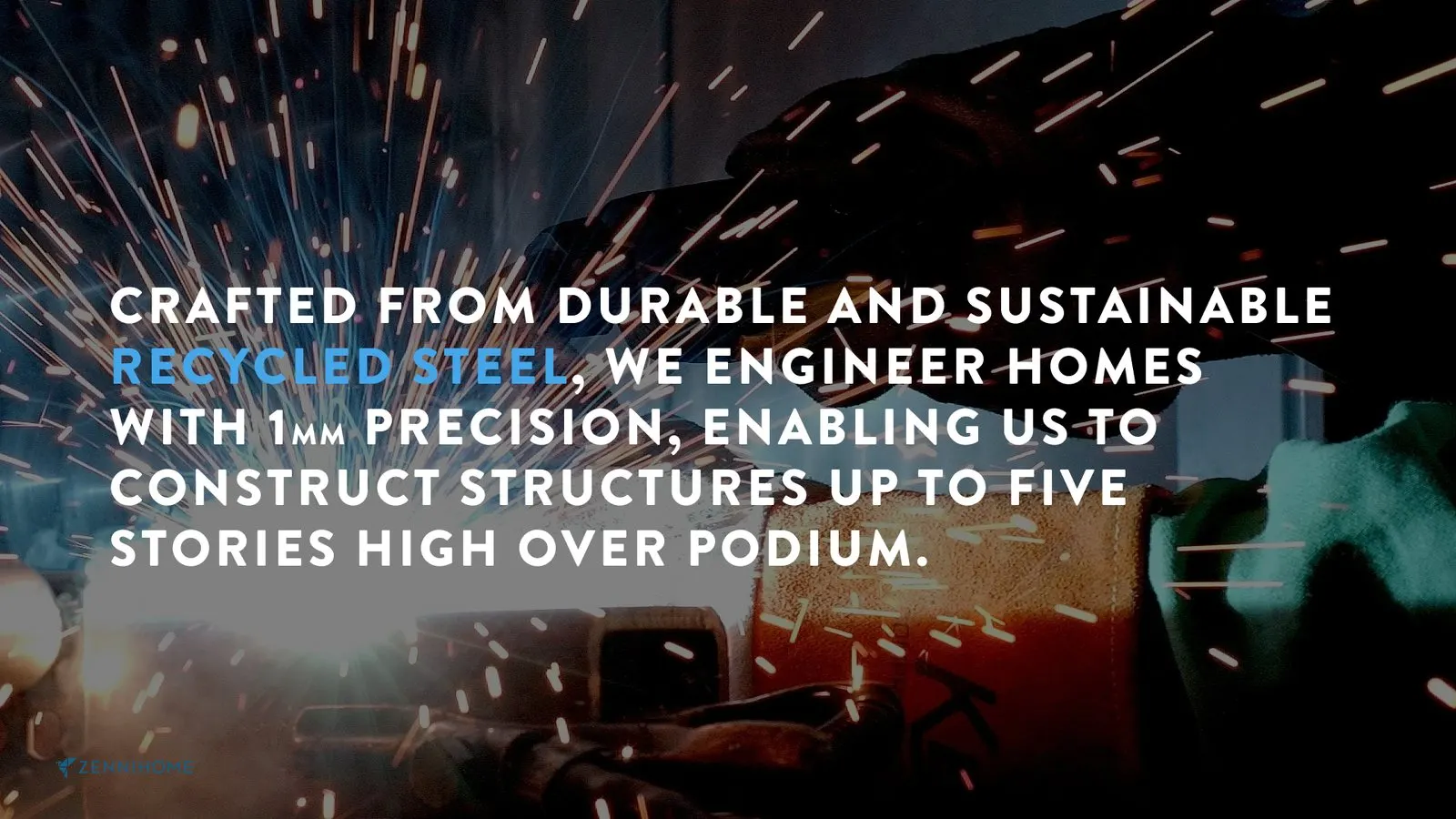
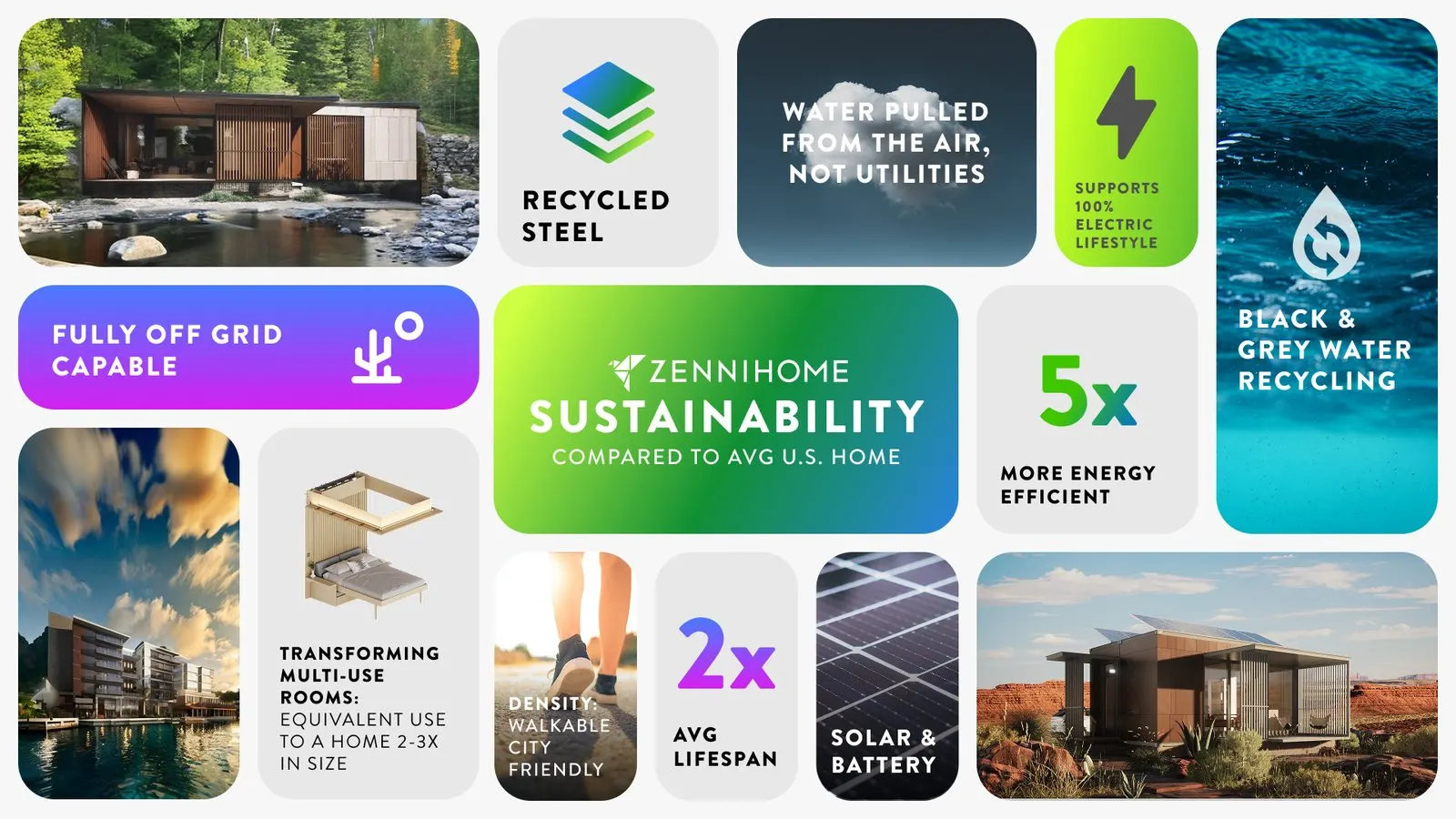
A word for it, the truck, the steel, the sustainability story. Art from the Figma file behind all of these decks. I've left out the slides on unit economics and named partners.
I ran the whole campaign, from first draft to last email.
Equity crowdfunding lets everyday people buy shares in a private company. We ran ours on Wefunder, with a private phase starting in May 2023 and the last money coming in May 2024. A crowdfunding podcast covered us mid-raise at $5.8M from 868 investors. It finished at $14.0M from 2,096 investors.
I wrote the page and designed it. I built the deck, recorded the videos, and ran the marketing, ads, webinars and investor updates. Wefunder's team helped with strategy, and in mid-2023 I moved the updates and posts in-house.
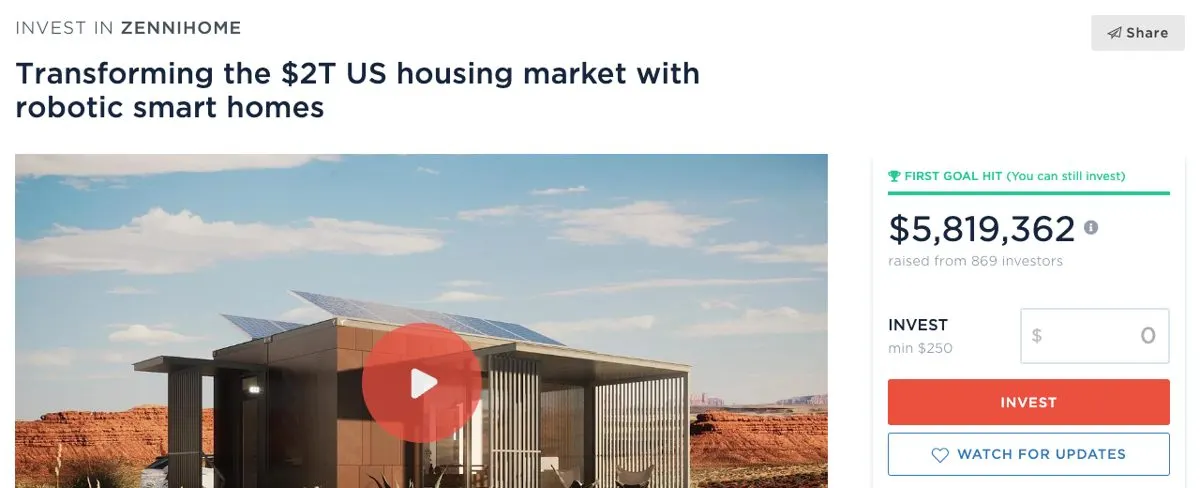
The campaign page, partway through the raise. I wrote it to teach the product before asking for money.
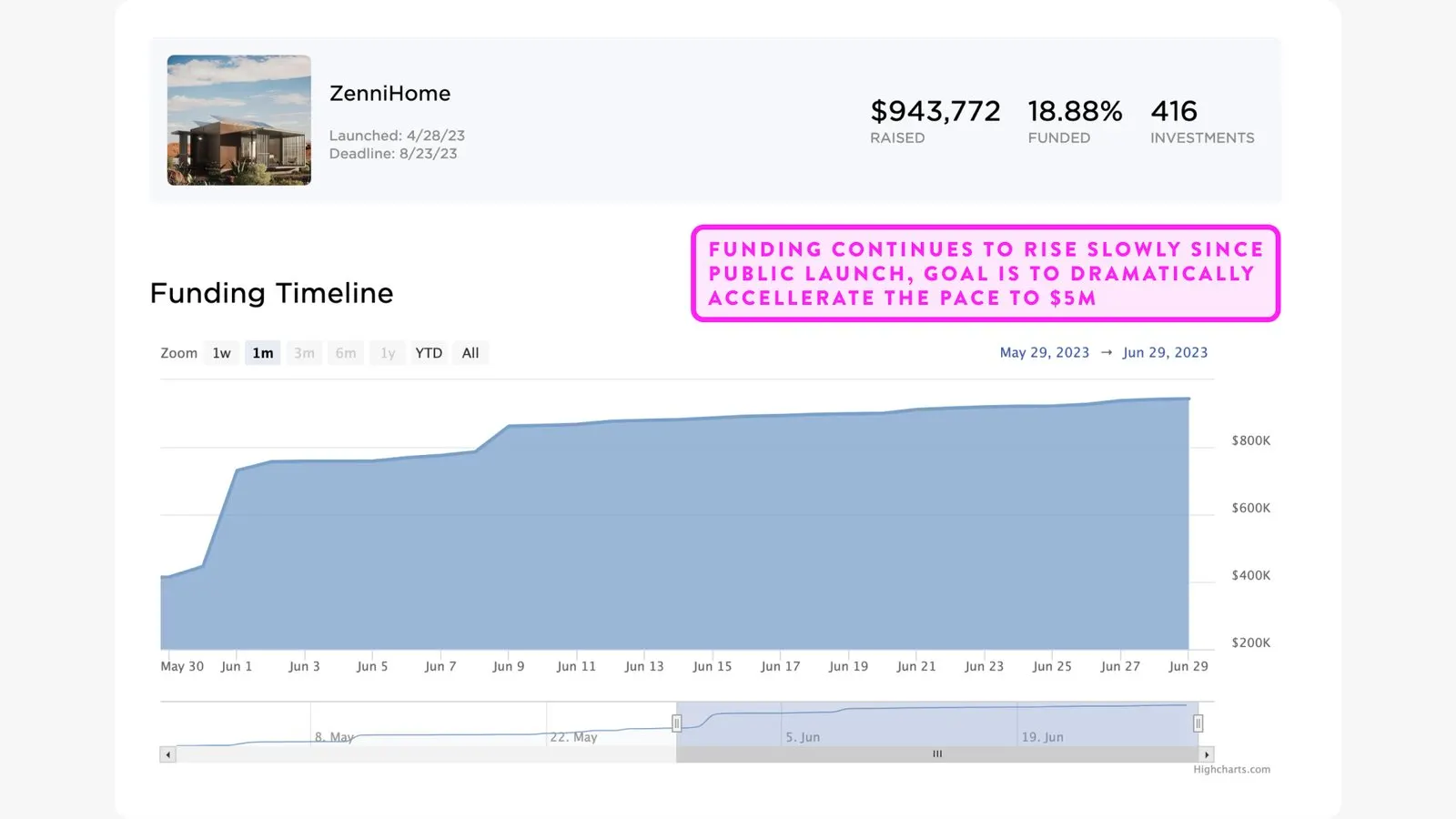
A month in, the line went flat. A three-line plan took it to $14.0M.
By the end of June 2023 we had $943,772 from 416 investments, and the line had almost stopped climbing. The slide said so in pink. It's the honest start of this story, and it's where the real work began.
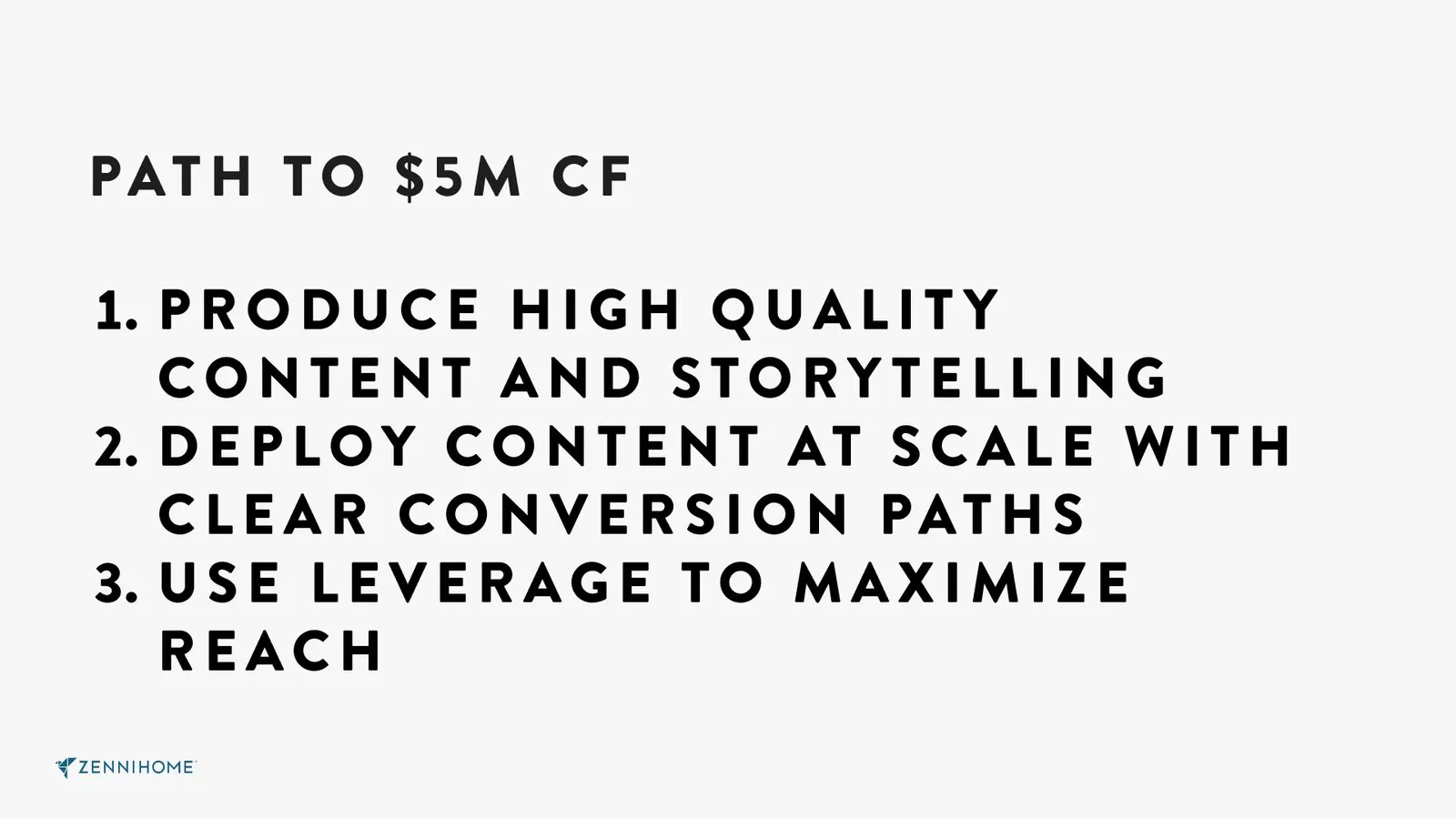
The plan fit in three lines: make good content and tell a good story, get it out at scale with a clear path to invest, then use leverage to reach further. That took us from under $1M to $14.0M.
Every raise has a flat middle, so I kept giving people news.
The shape came from working with Wefunder's team and from my own notes as we went.
- The page
- All the copy and design, written to teach the product before asking for money. Rewritten in April 2024 with everything that had changed since launch.
- Investor updates
- A steady run of posts, each with one piece of real news and a reason it mattered.
- Paid and retargeting
- Pixels on Facebook, Instagram, Twitter and TikTok. Retargeting to people who'd seen the page, and to crowdfunding audiences Wefunder shared with us.
- Our own newsletter and tour lists, milestone emails as the total climbed, and a note asking current investors if they'd like to invest again.
- Outside channels
- Crowdfunding and real estate newsletters, and groups where developers and investors already talked.
- Compliance
- Ads written inside Wefunder's guidance: no investment terms, no misleading expectations, and "last chance" only when it was true.
Ten ad versions, each making one of three arguments.
My plan called for ten versions across carousels, video ads and single images. Each one made one of three cases. I also kept a wall of screenshots of a competitor's ads and investor posts, so I knew what people saw right before ours.
- Facebook lead forms
- Details filled in from the person's profile, so the form took seconds.
- Smaller investors
- Sent quickly to Wefunder, with both options still in the follow-up email and a link to share.
- Accredited investors
- Straight into Zoho, with a text to the person following up.
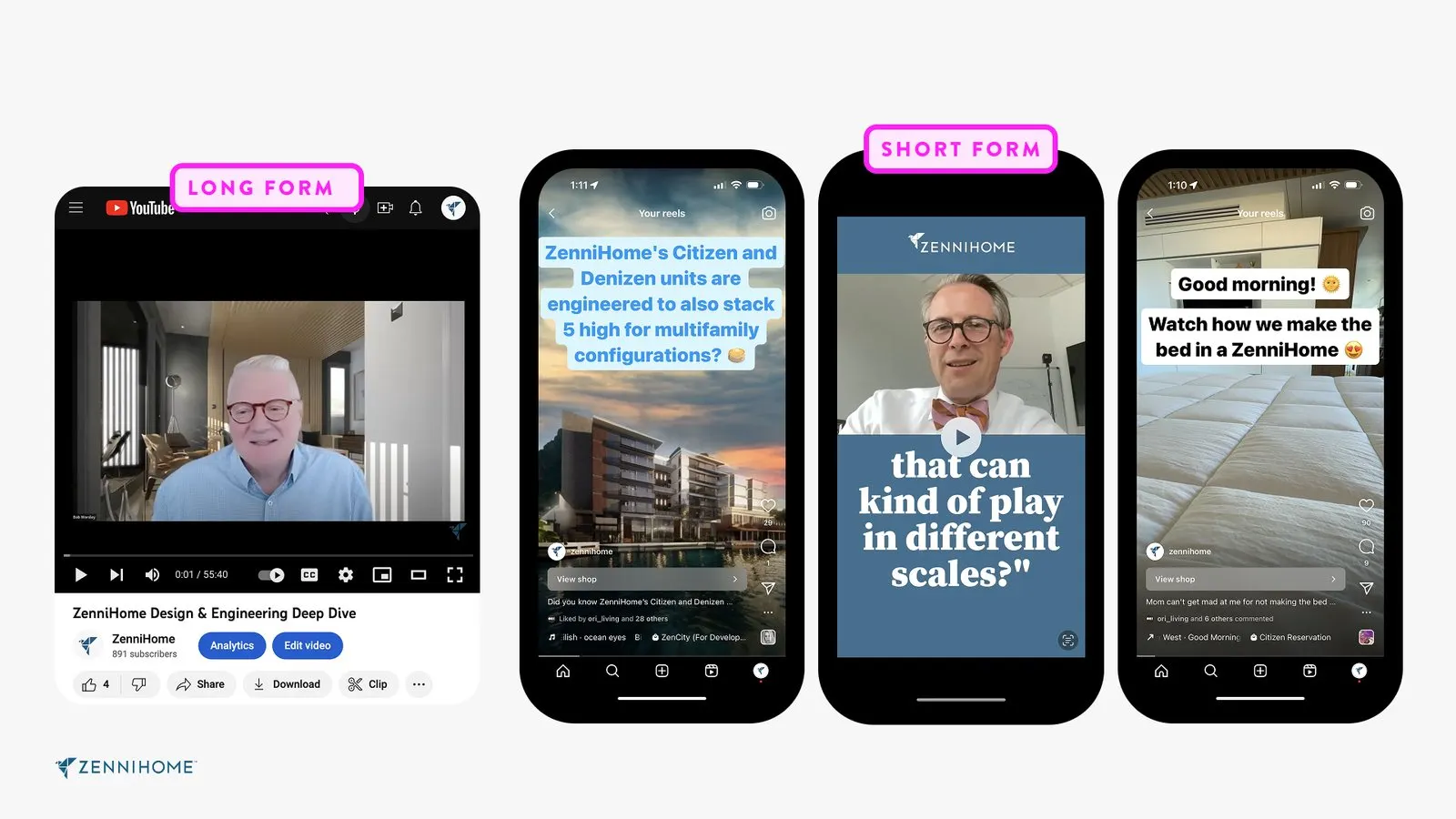
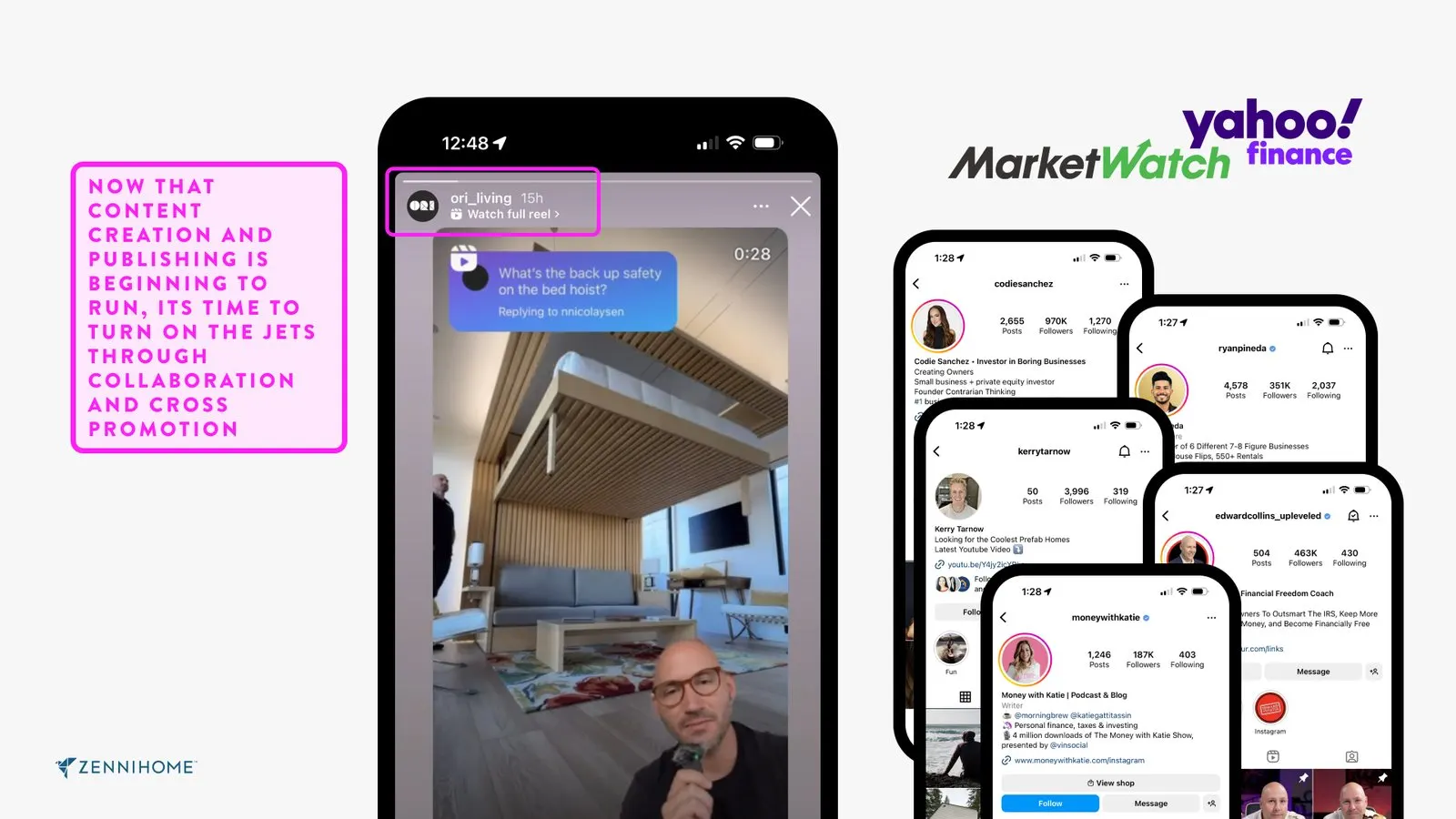
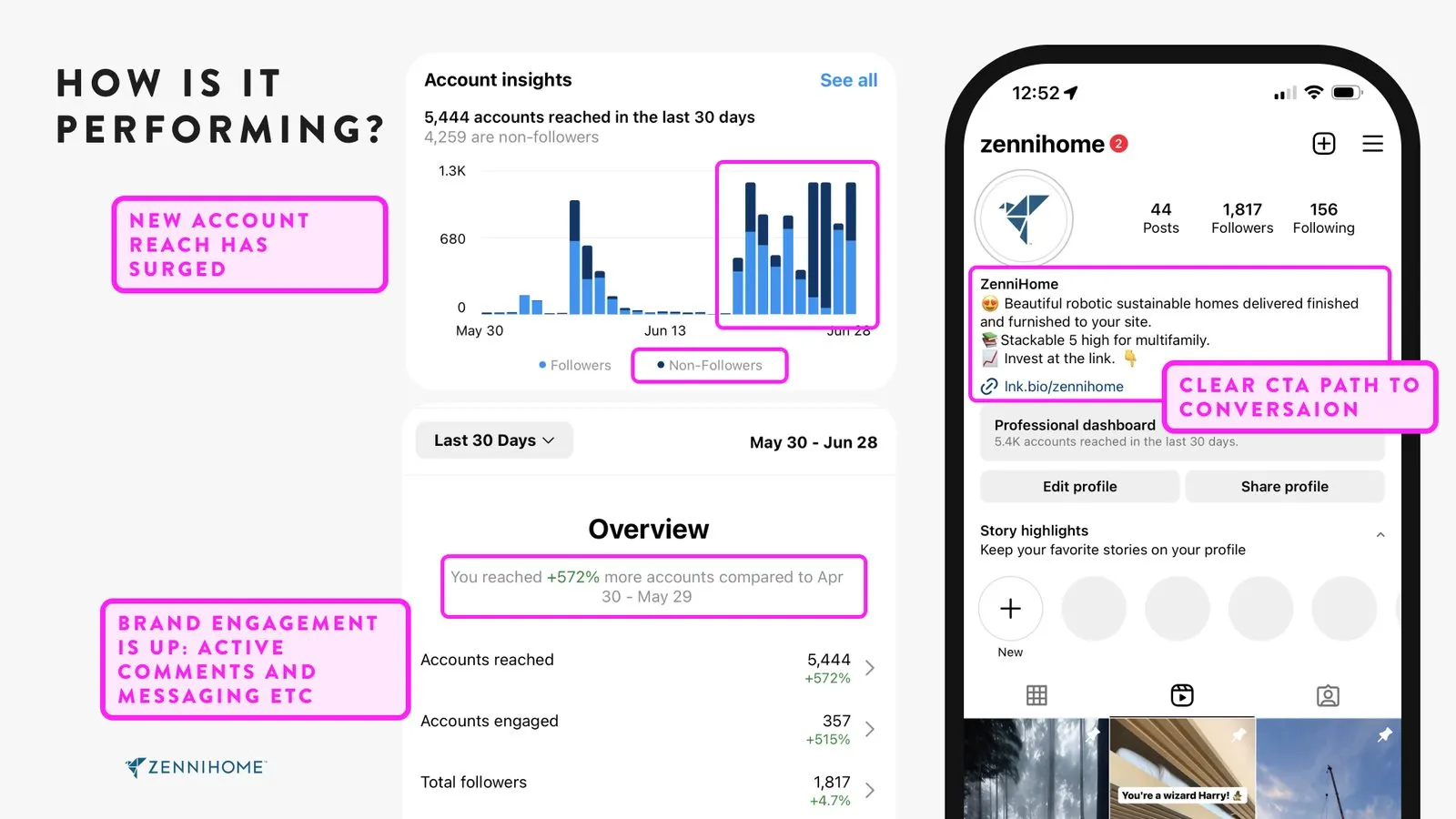
How I reported on content: what we made, where it went, how it did.
A room that moves has to be seen, so I got in front of the camera.
Investors and buyers both needed to see how the rooms changed. So I got in front of the camera with a handheld mic, walking people through a home the way I would on a tour. We also made an investor video around the showroom opening and did a full photo and video shoot in October 2023.
Then I kept a list of about 35 reel ideas, each built around one thing that surprised people. Real photos kept replacing renderings wherever we could get them, because a real room answers doubts that a rendering raises.
Me with a handheld mic, walking people through a home the way I would on a tour.
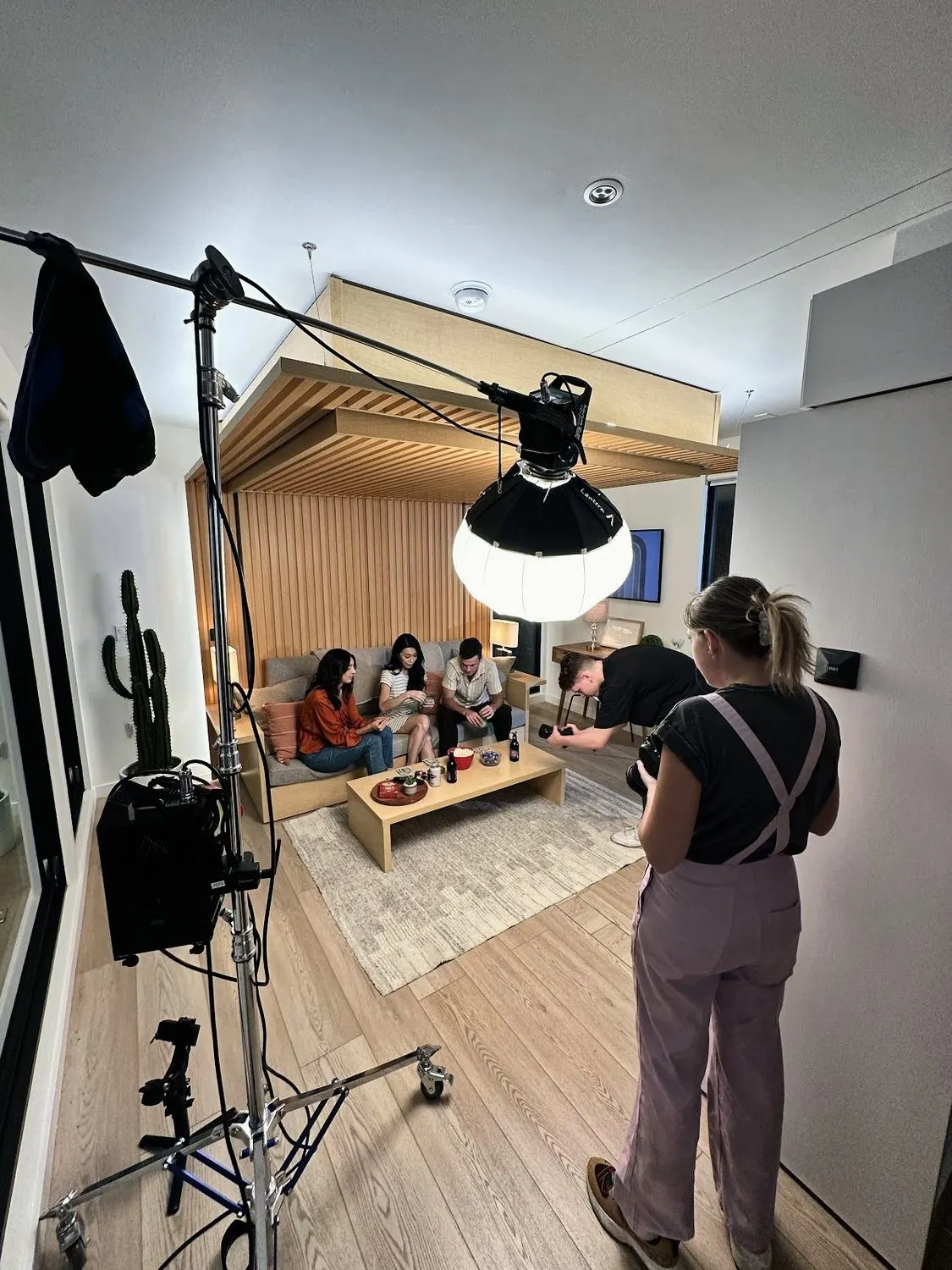
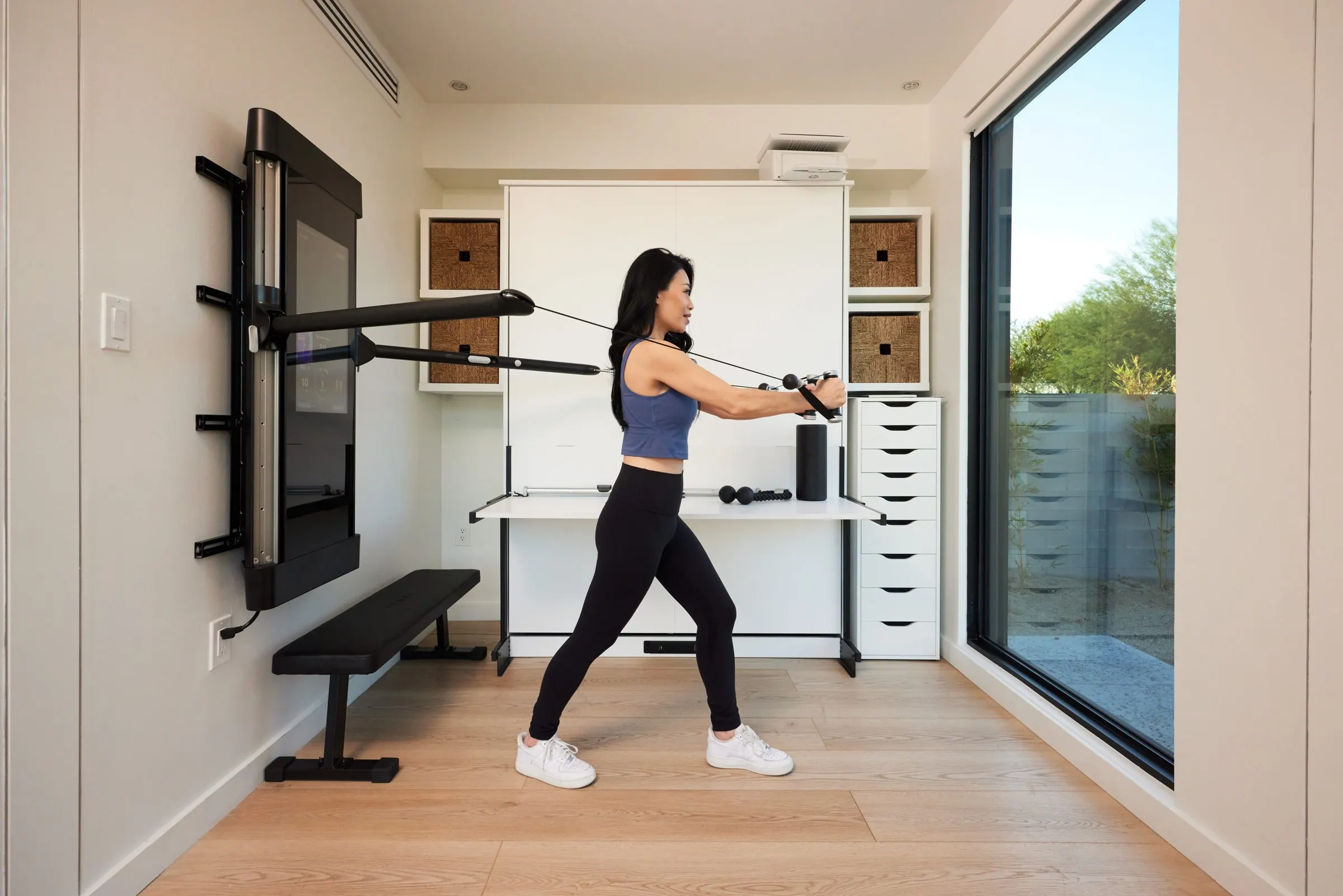
The October 2023 shoot, and what came out of it. Real photos kept replacing renderings wherever we could get them.
I animated homes that didn't exist yet.
Real footage only goes so far when the building hasn't been built. So in June 2023, right as the raise went public, I started making short AI-animated videos: one home in red rock, one on a lake, one in a misty forest, and whole apartment buildings by the water and in the desert. Some went out on TikTok with a simple question: would you live here?
Homes in red rock, on a lake, in the pines, and stacked into buildings. Sped up for this page. Concepts, not built projects.
Housing creators got three days, a hard hat and a helicopter.
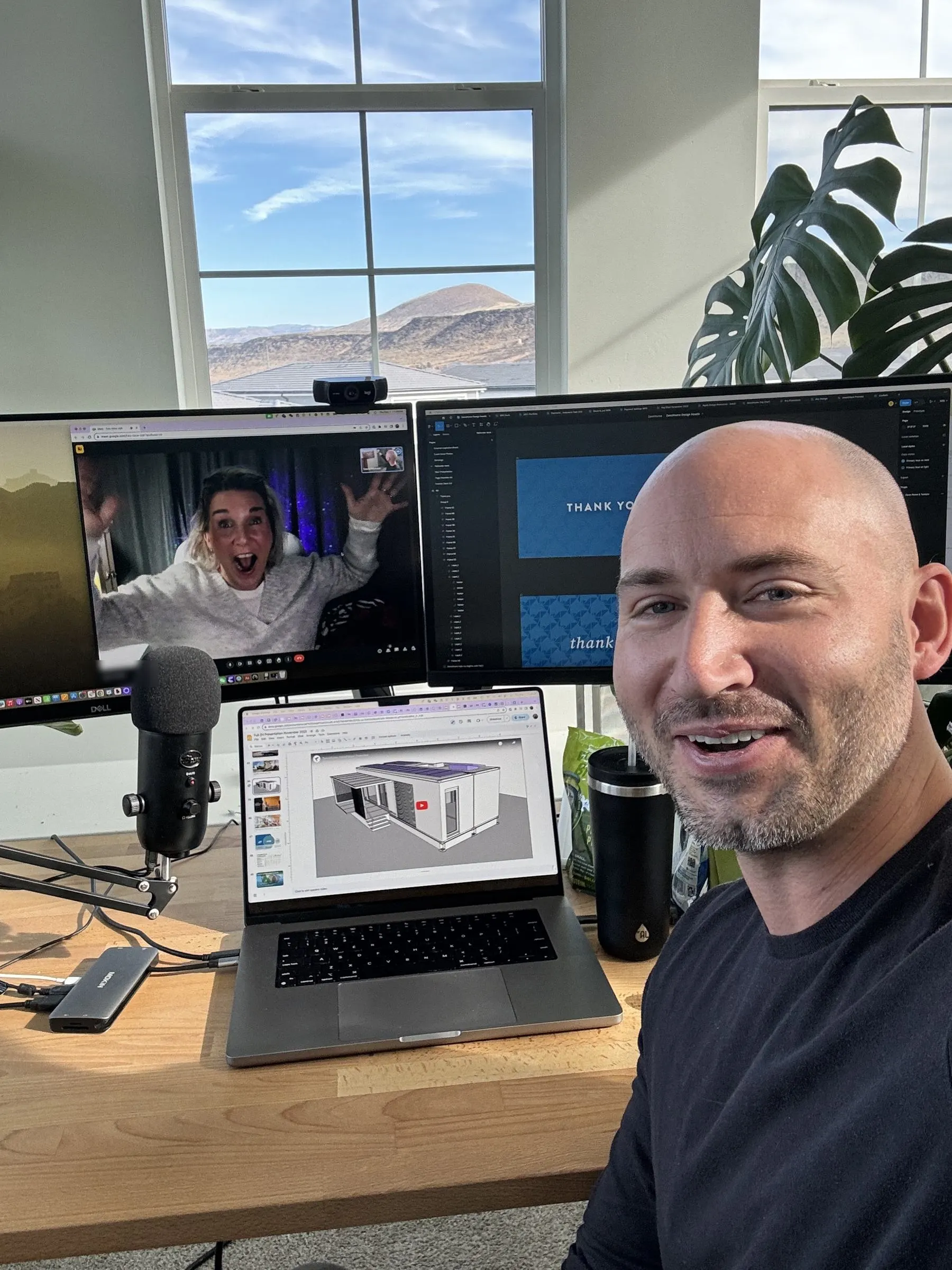
Housing influencers can tell a story you can't buy, so we worked with them directly. Some of that was interviews from my desk. The bigger move was bringing them out. In February 2024 we hosted a small group of creators for three days, from Mesa to the factory to the red rock around Page.
The plan was simple. Let them see it, let them film it alone, and make sure they had a great time. The first day was mostly ZenniHome. The next was all about having fun.
By April 2024, some of the best creators in our space had covered us, with 1.26 million views across videos featuring our homes.
- Night one, Mesa
- A reception at the model homes with business owners, officials, investors and our team.
- Morning, Mesa
- Breakfast with our first business customer, a vineyard in Elgin, Arizona. A tour, an interview slot with the CEO, then an hour for creators to film in the homes on their own.
- Afternoon, the factory
- A tour of how everything is made, led by our chief revenue officer. Hard hats and vests provided. Lapel mics recommended, in writing.
- Day three, Page
- A helicopter to Tower Butte, a slot canyon, and sunset at Horseshoe Bend. No pitch required.
We closed Wefunder and kept raising, to $20M in all.
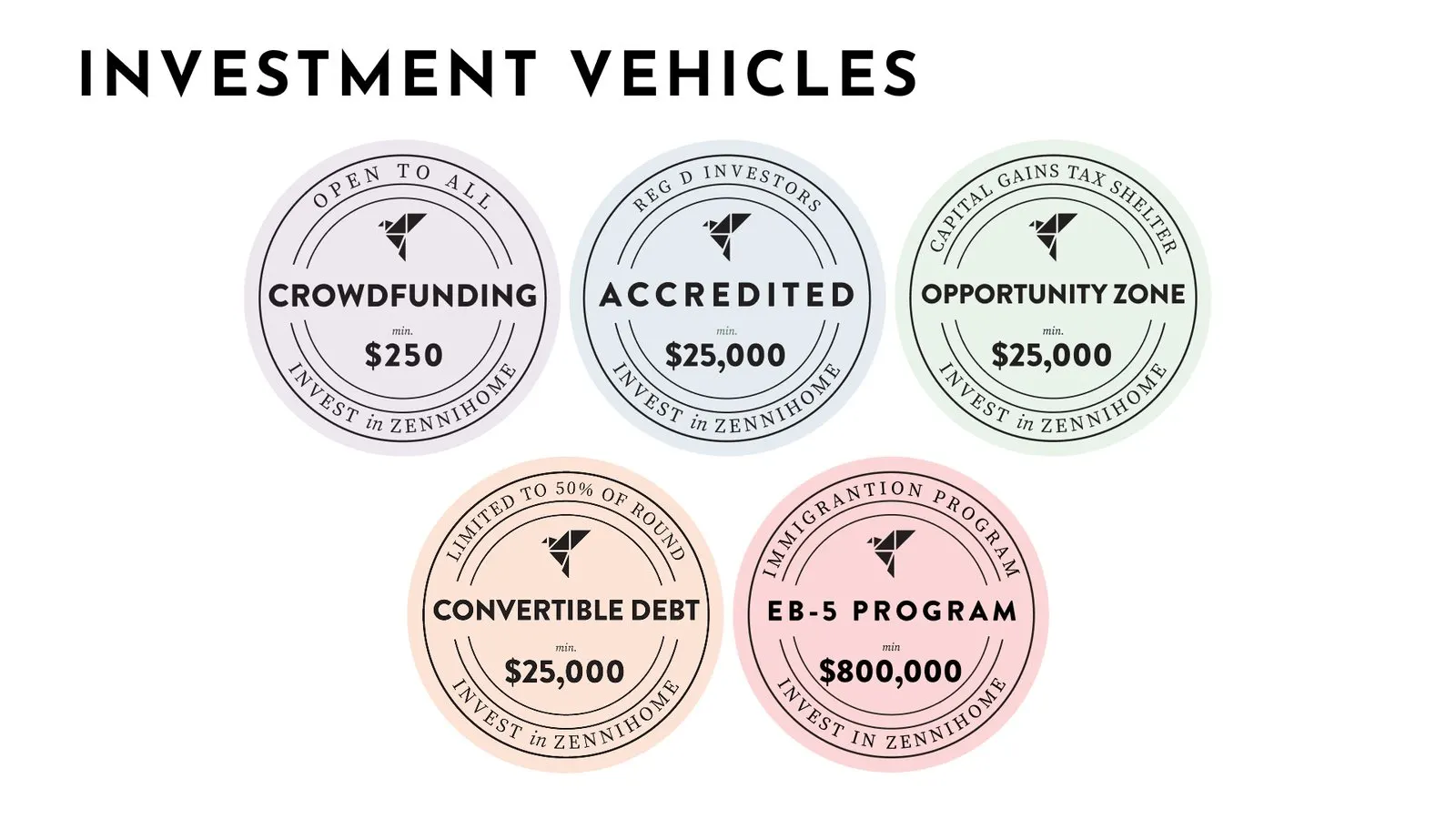
Crowdfunding was one track. Larger investors need a different path, so through the raise I built a direct pipeline: accredited investors, an Opportunity Zone option, and real time inside the homes. After Wefunder closed we kept going. All in, that's the $20M.
It leaked at first, and my notes say so. Serious leads were raising their hands and not closing. One reason was as small as "trouble logging into the data room." So I ran a retro and wrote the fix: one owner for the pipeline, a response in under 15 minutes with no exceptions, a daily standup, and every step of the funnel tested by hand.
- Investor pages and forms
- An invest page, forms that asked only what we needed, and instant booking through Calendly.
- CRM and follow-up
- Zoho for status and last contact, immediate alerts, and a two-week email and text drip with next steps.
- Data room
- A due diligence questionnaire, a structured set of documents, and a person ready to walk investors through them.
- Investor open houses
- Evening events at the model homes in Mesa, Arizona, starting October 2023, then virtual and in-person versions, with follow-up the next day.
- Webinars
- A launch fireside with Wefunder in May 2023, a virtual open house in November 2023, a Q&A with our new COO in April 2024, and a session on the next factory's digital twin with Wikfors Technology. The first agenda asked what challenges investors should consider before putting money in.
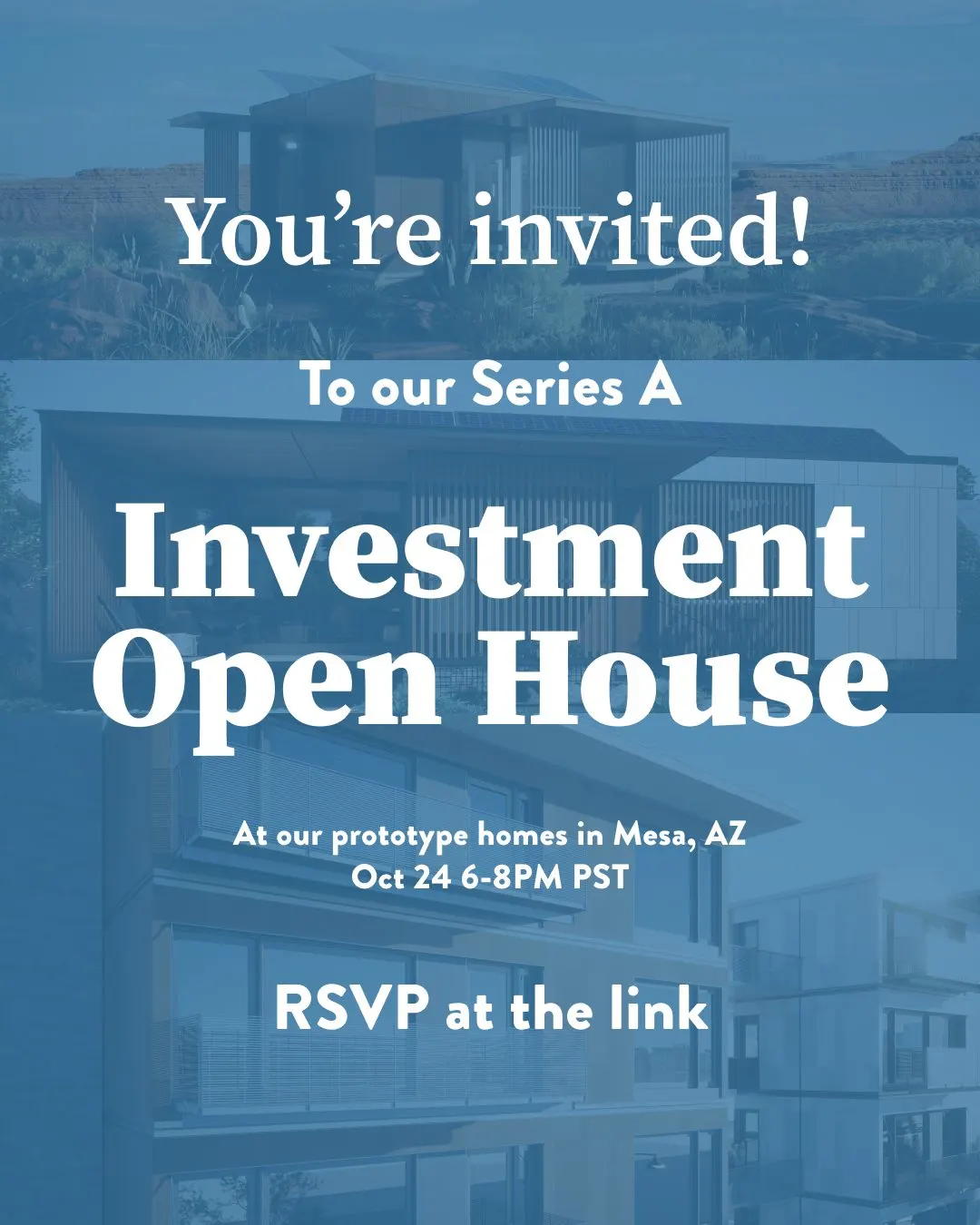
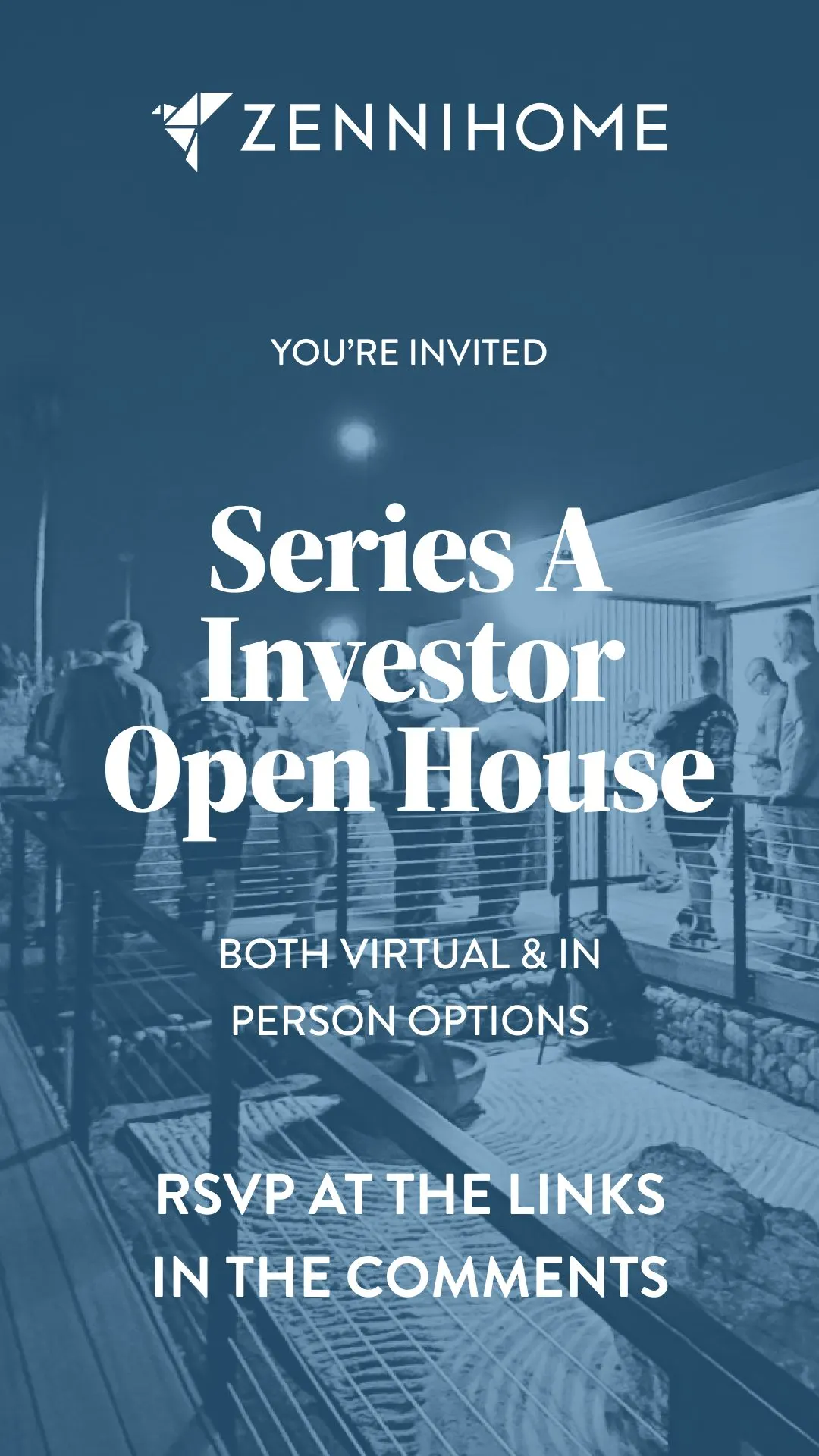
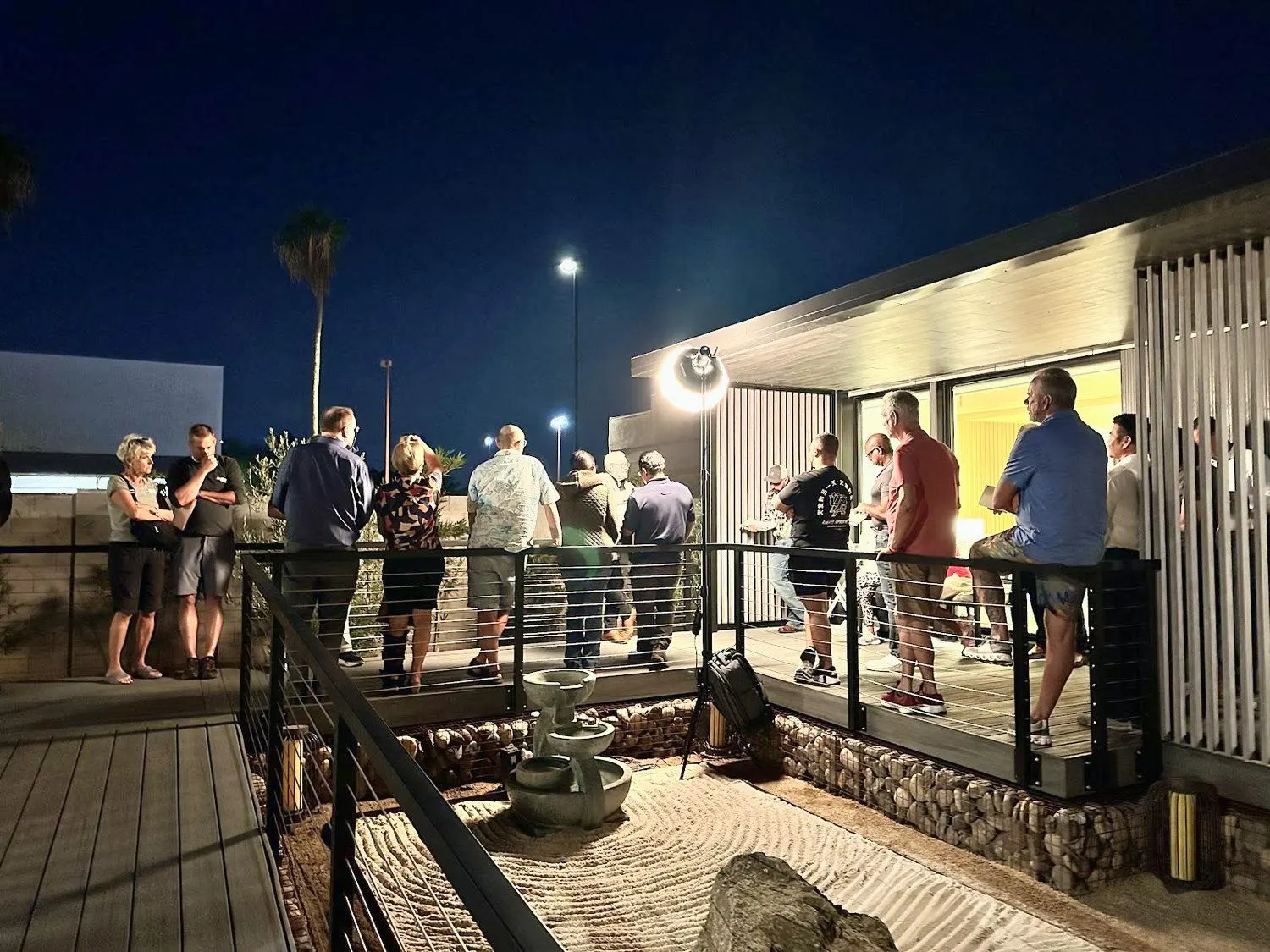
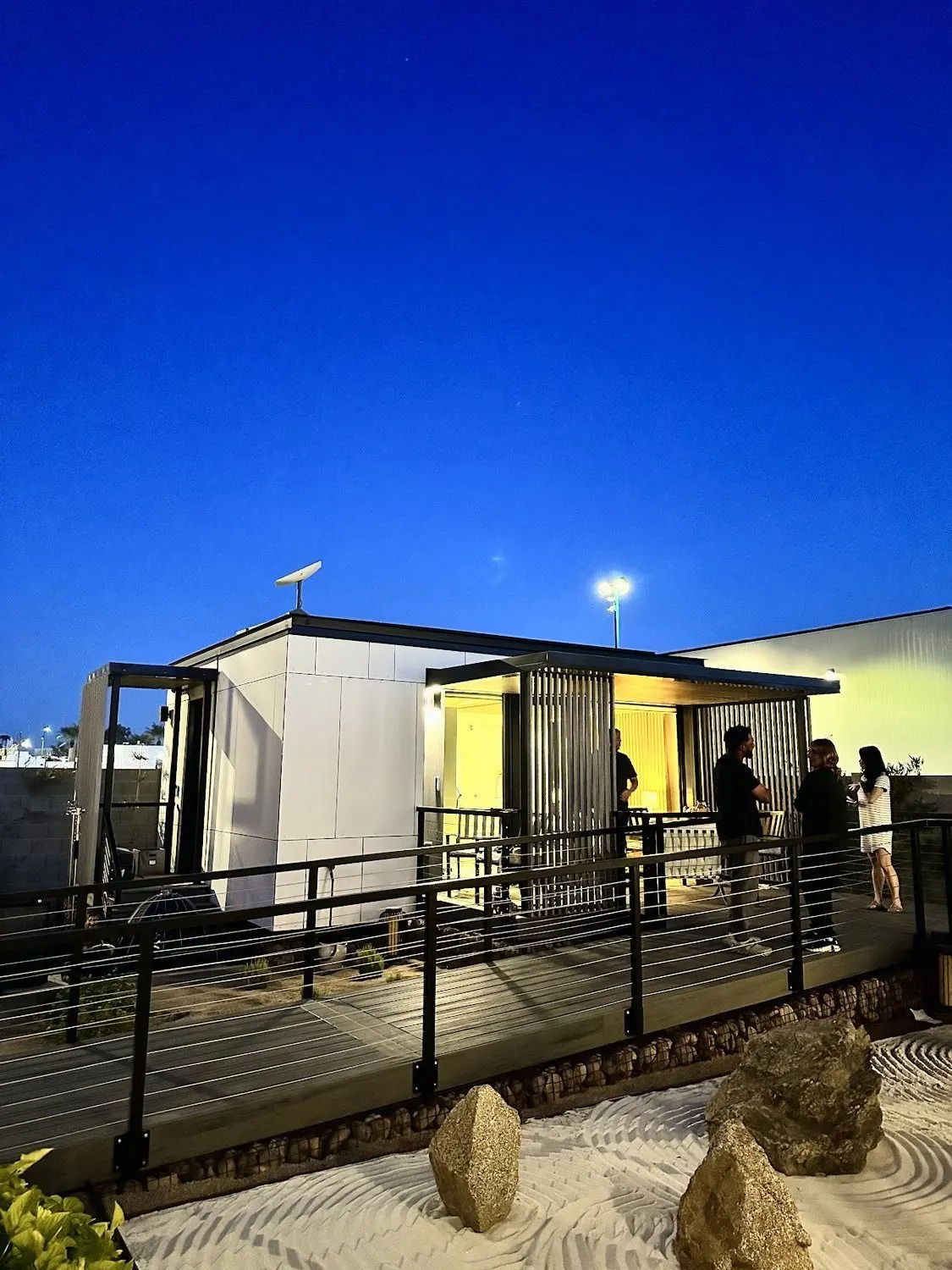
The invites, and the homes at night. Getting people inside was the best pitch we had.
Every investor walked one straight line.
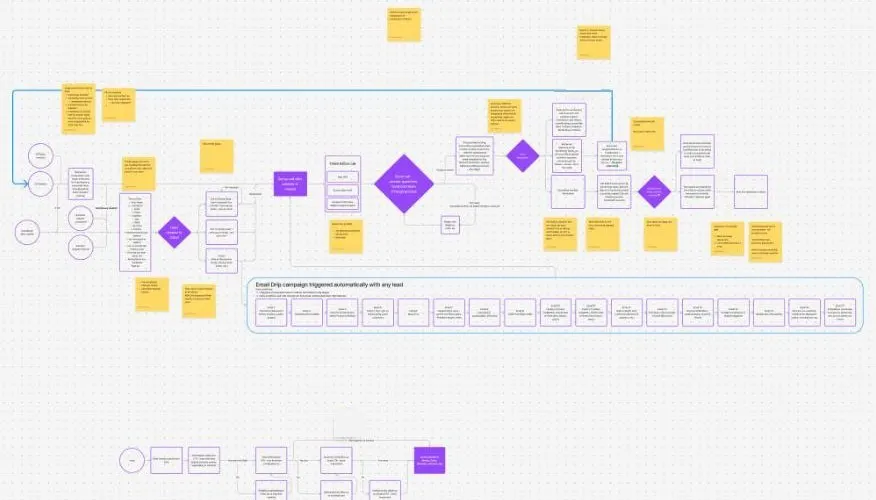
We mapped the whole process on a shared board. It got big fast, with every lead source, every form field and every follow-up. Then a sticky note on the board said what it needed: "Need to show single linear happy path for prospective investor."
So we drew it. Here's that path, with the real steps behind it. Tap a step to open it.
1A lead comes inFrom several places, through one form
- The CEO's contacts, and referrals from them
- The website, for accredited investors and Opportunity Zone investors
- LinkedIn and other social
- CEO demos: a presentation with 10 minutes held at the end for the team to help people one on one
The form asked name, email, phone, address, amount, interest, accredited or not, and how they heard about us.
- Within minutes
2Into Zoho, and we reach outEmail, then text, then a call
- A lead is created in Zoho
- An intro email with the steps and one strong call to action
- A text: "I sent you an email. Let's set up a time."
- A call, or a voicemail
- The 17-email drip starts on its own for every lead
- Next step
3Teaser deckDigital or print, ask for a meeting with the CEO
Print or digital depending on the investor. Booking through Calendly, or by hand. Before the call they'd sign the NDA and get into the data room and the due diligence questionnaire, so the call could go deeper.
Not yet?Breakfast, a call, more follow-up to land the meeting.- Yes, meet the CEO
4CEO presentationAnswer everything, ask for a tour
On Zoom or in person. Answer questions, help people through it. One rule I liked: if they weren't ready, schedule the next call before ending this one.
Not yet?A call and more follow-up to schedule the tour. Don't need a tour?Go straight to close.- Yes, tour
5Tour the homes and the factoryStand inside it, then ask for the close
Model homes in Mesa and the factory near Page. Getting people inside was the best pitch we had.
Not yet?More due diligence, as much as they needed, then ask again.- Yes, close
6Close the investmentWiring, shares, welcome, referrals
- Funding instructions from Zoho, with a PDF and a separate template for each way to invest
- A note to accounting with the amount and type
- A welcome email from the CEO, saying when shares arrive
- Accredited investor verification
- A congratulations from the CEO, with a request for referrals
- Share certificate sent, Wefunder updated
- Shares issued in Carta. "Welcome to the family."
- State securities filings
17 emails, each with one big piece of news.
Every lead got the drip automatically. Each email carried one real story to make people want to dig deeper, and the same clear next steps: set up a call, get into the data room, sign the NDA.
- 1Intro
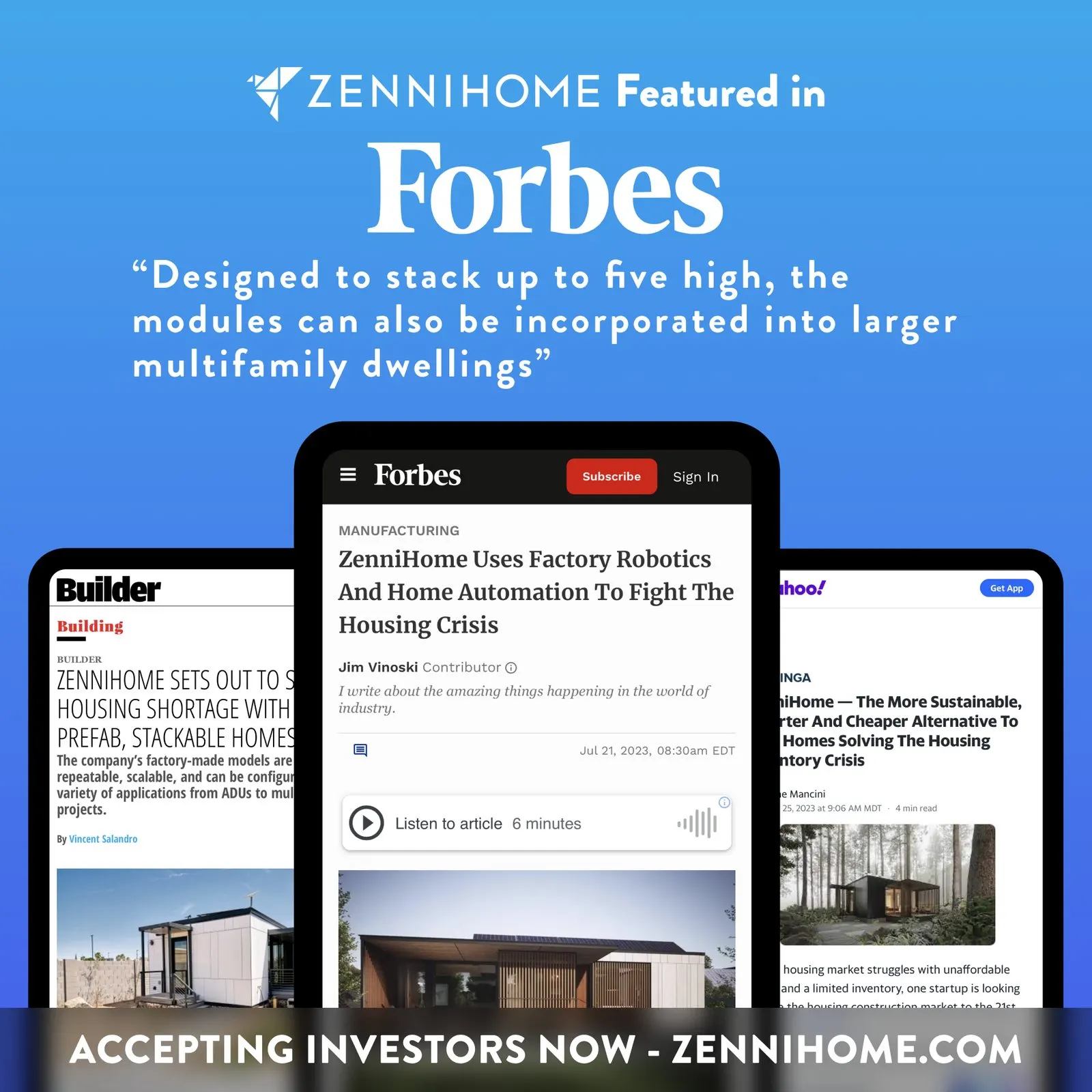
- 2Forbes feature
- 3Stackable and scalable
- 4Yahoo Finance feature
- 5Factory tour and the next 12 homes
- 6Mesa tour
- 7Navajo Nation news and video
- 8Social good, sustainability, efficiency
- 9A video from a mayor
- 10Plans for the next factory
- 11The CEO's traction on LinkedIn
- 12Prototype homes, with a reel at 90k views
- 13Certification news
- 14Builder Magazine
- 15Market size
- 16Who our customers are
- 17The competitive landscape
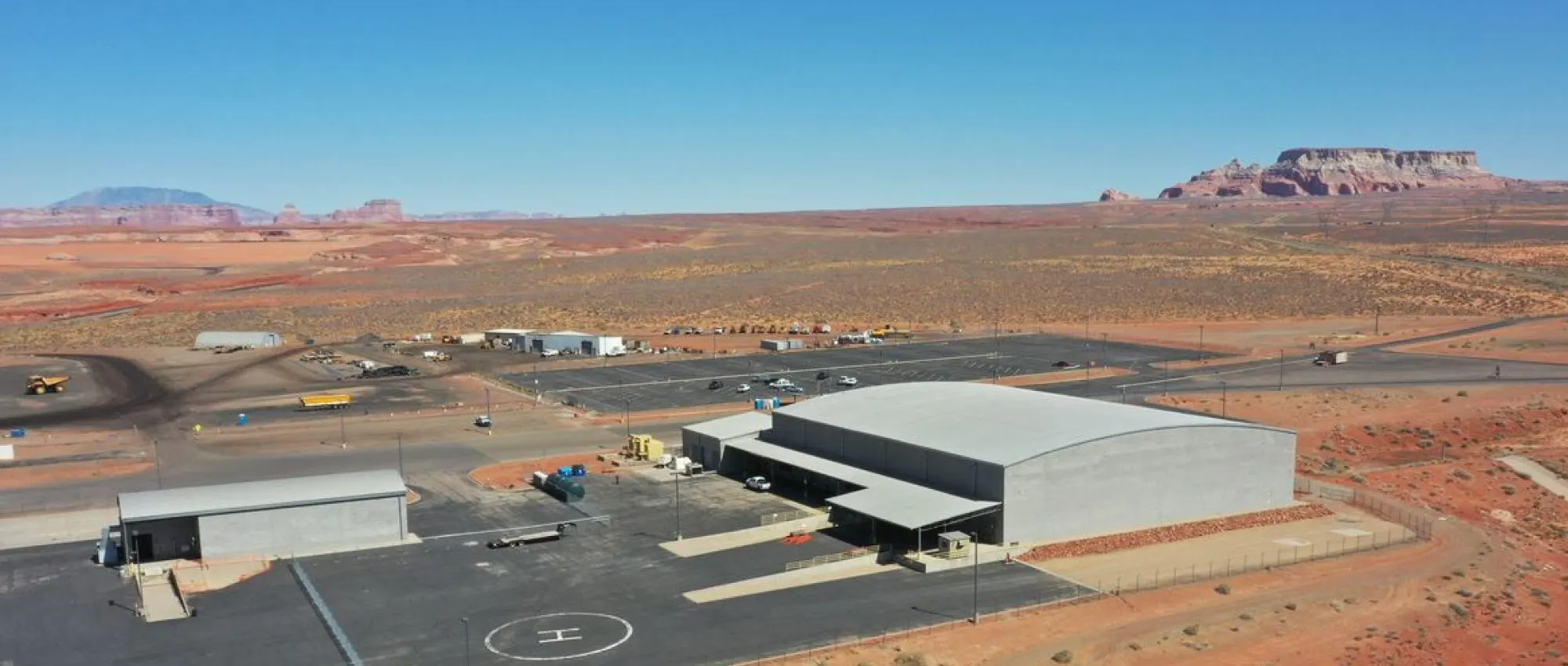
The factory, near Page, Arizona, in a repurposed warehouse from the old Navajo Generating Station.
- July 2023
- A press release on a long-term lease and joint venture plans, announced at the Navajo Housing Summit, using the president's own words from his speech there.
- Decks for the council
- Council-facing decks with a plan for reaching 1,000 homes.
- A video in two languages
- I wrote the shot list and worked with the narrator, in Navajo and English. Navajo is very descriptive, and our partners asked for the script early so the translation could do it justice.
- The signing statement
- Plain reasons this was good for Navajo people: jobs on the Nation, installation work for local crews, training, and homes built to last.
- March 2024 press
- A signing event and press conference at the factory, with press able to attend in person or online. I handled the PR, filmed it, made the thumbnails, and ran a campaign to carry it to investors.
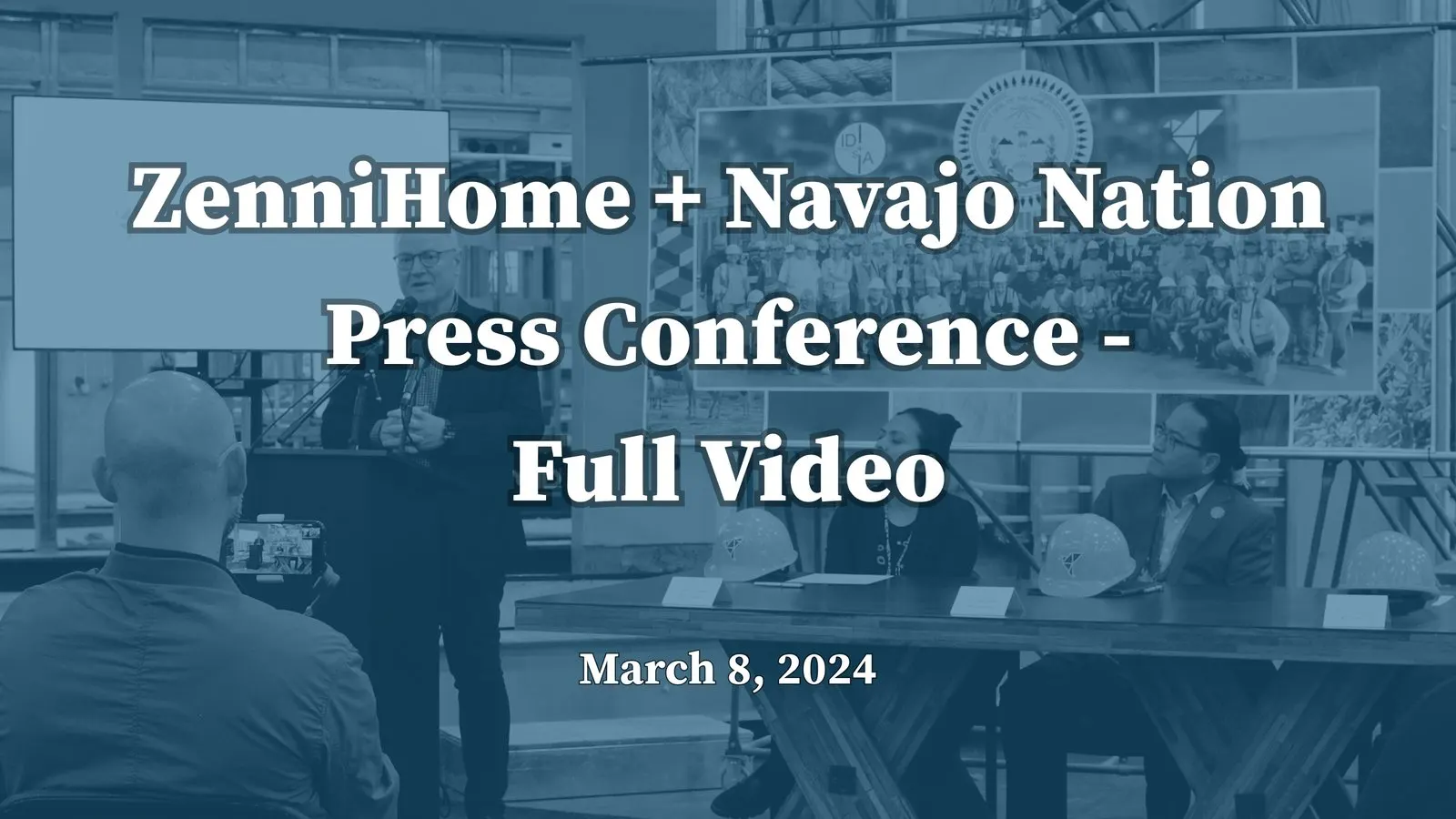
I designed, planned and ran the press conference, filmed it, handled the PR and made the thumbnails. March 8, 2024.
You can't market a factory from a laptop.
I walked the floor, worked with employees and filmed there. That's where the good stories were: the people building the homes, and what a crane looks like setting one. We planned a series on the women building the homes, and we posted our first business customer's install on Instagram as it happened.
The floor is loud. Bring a lapel mic.
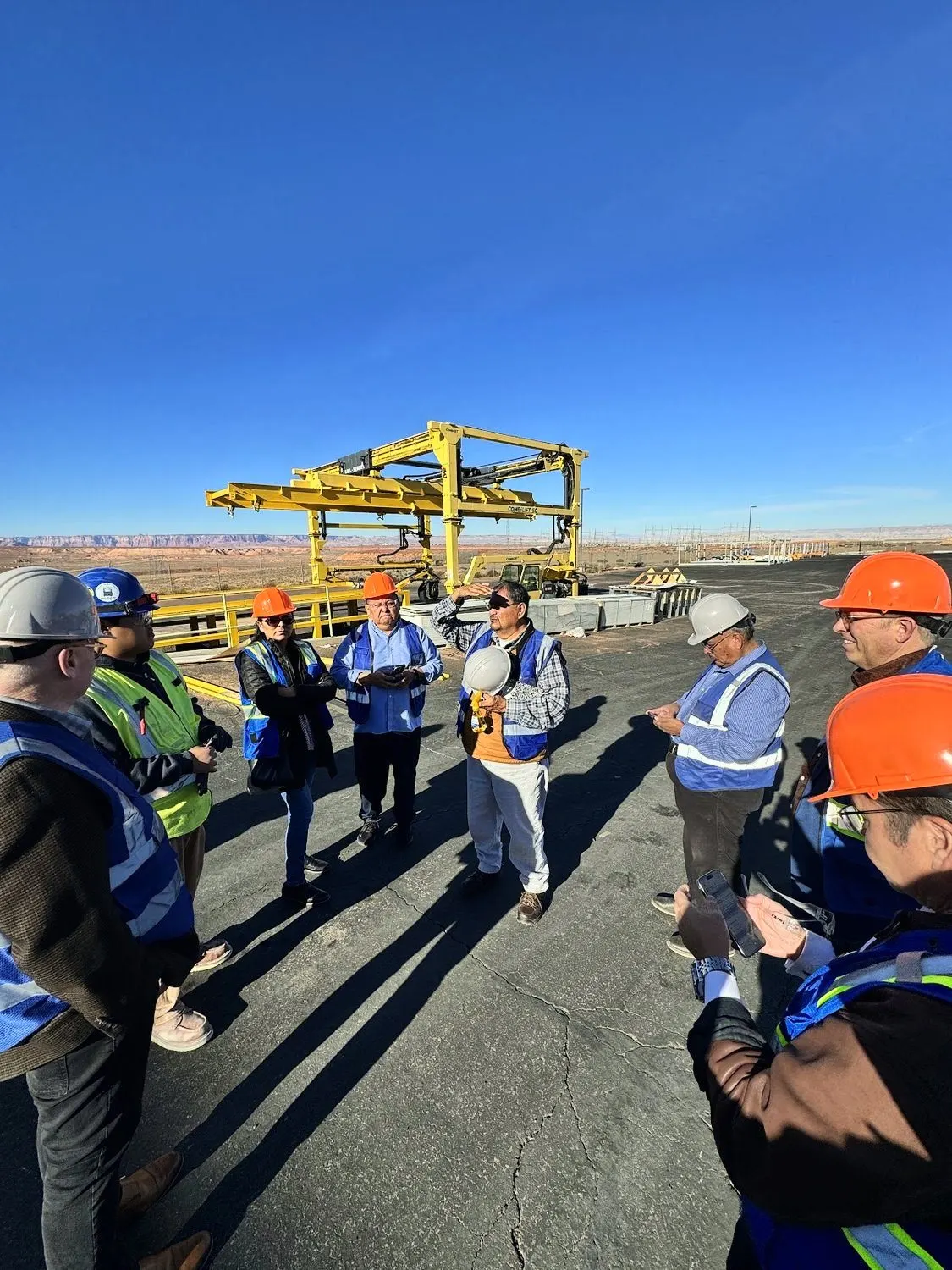
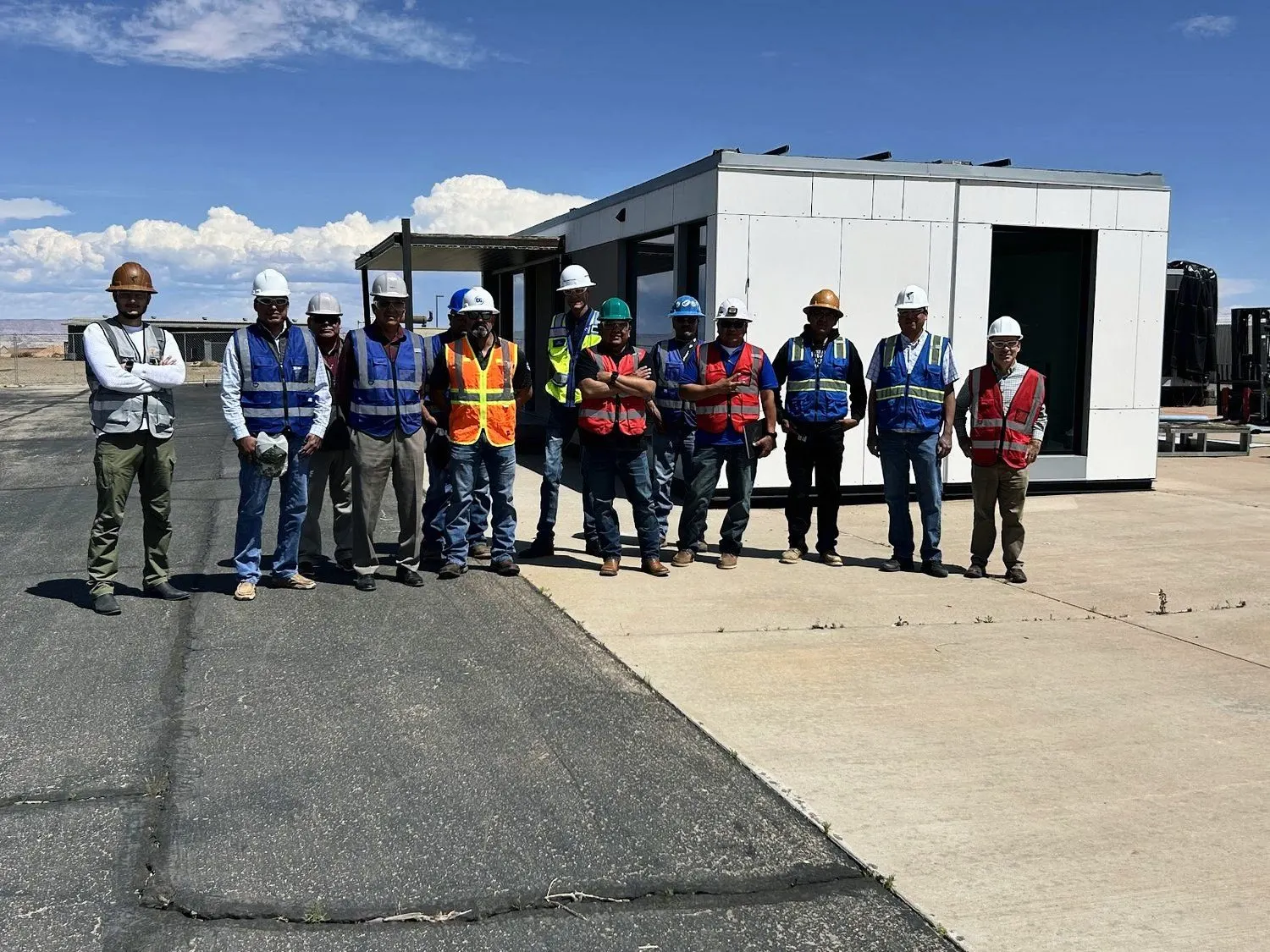
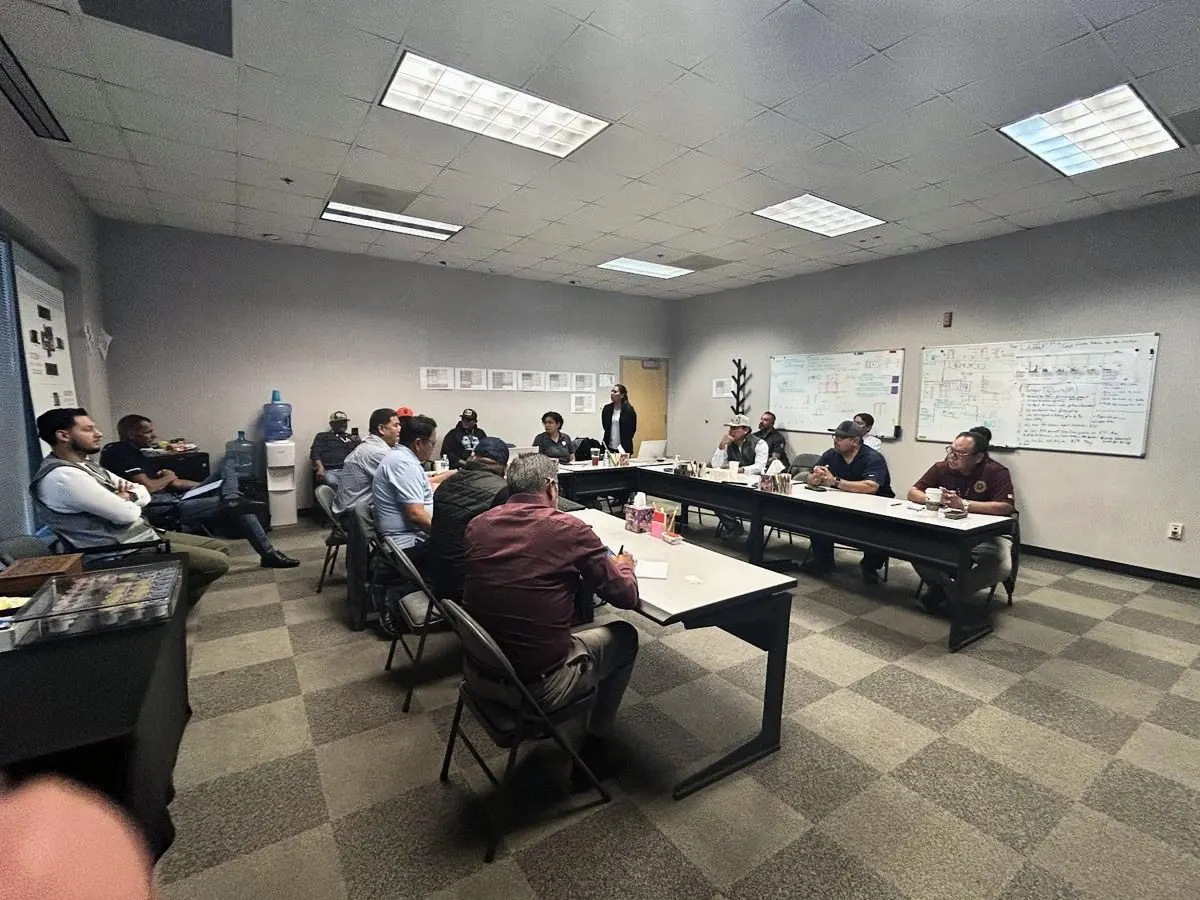
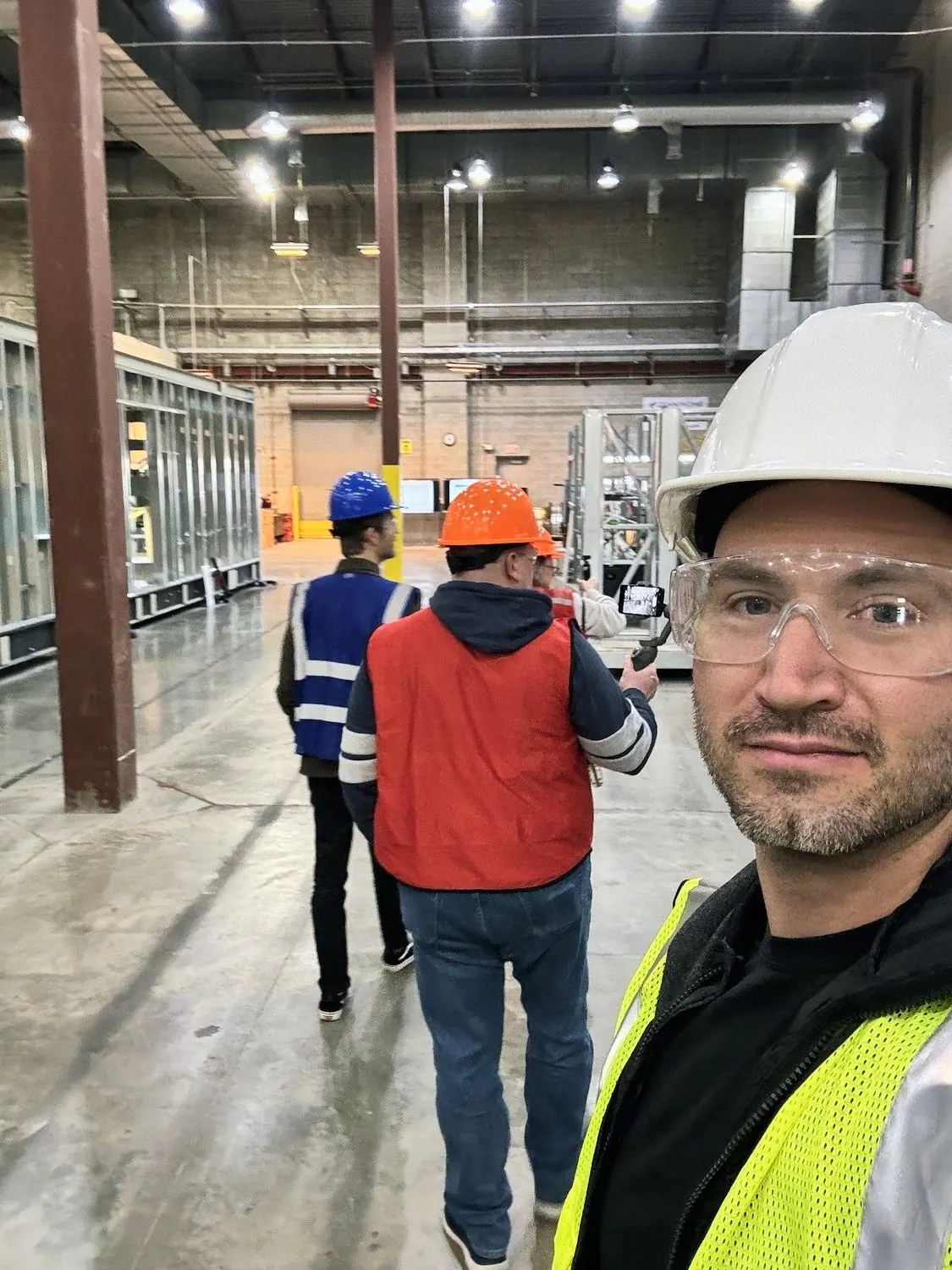
Break room, floor and crane, 2023 and 2024. The good stories were the people building the homes.
In China, I went to ask manufacturers the hard questions.
In June 2024 I spent about a week in China on behalf of the company, in boardrooms, on factory floors and over tea with manufacturers. I speak Mandarin, and my notes from that trip say it plainly: speaking some of the language goes a long way. Nobody used name cards. WeChat ran everything. Factories were open to smaller orders.
I won't claim a result from this one. I'll show you what I was asking, because that's the work.
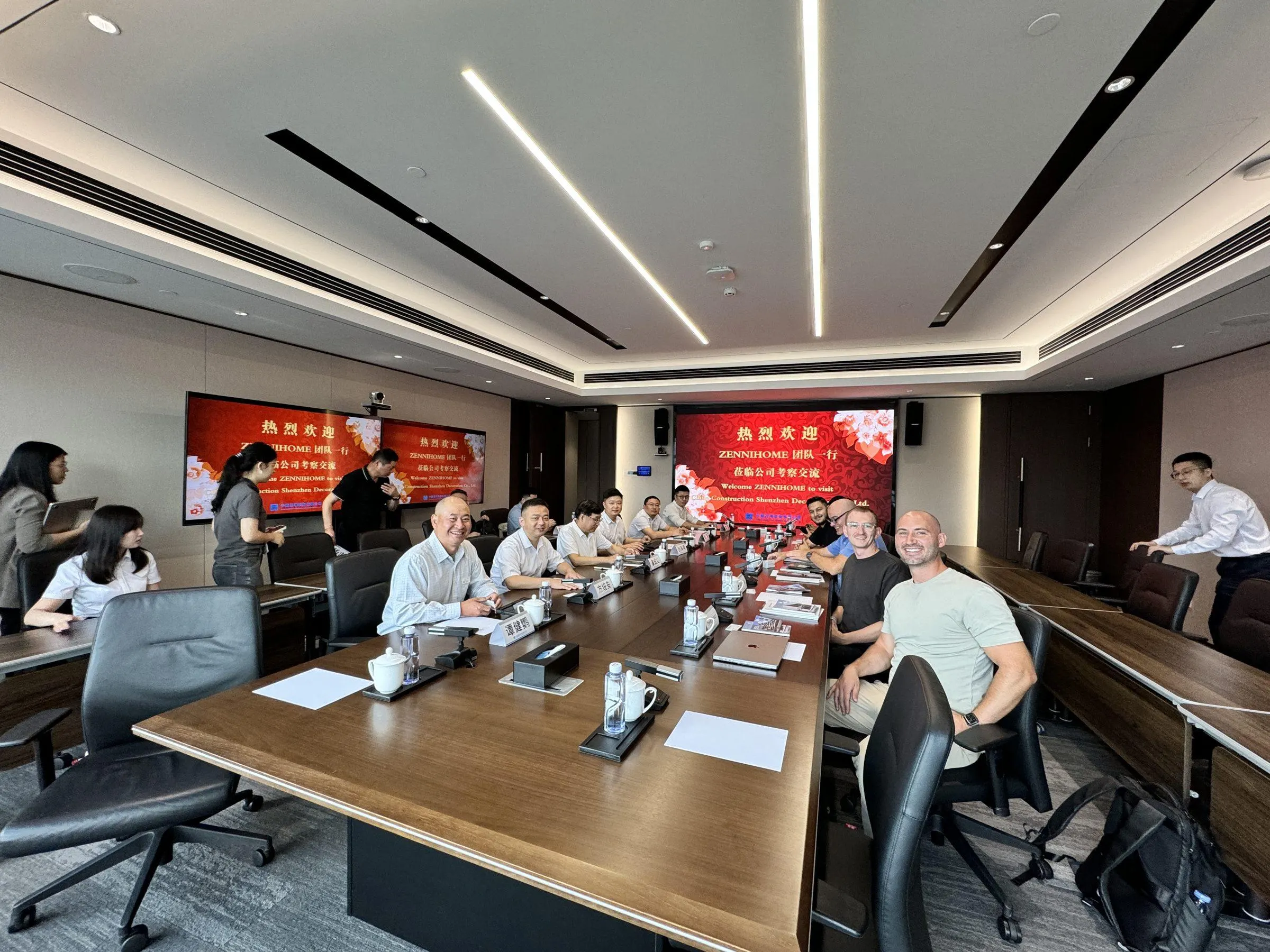
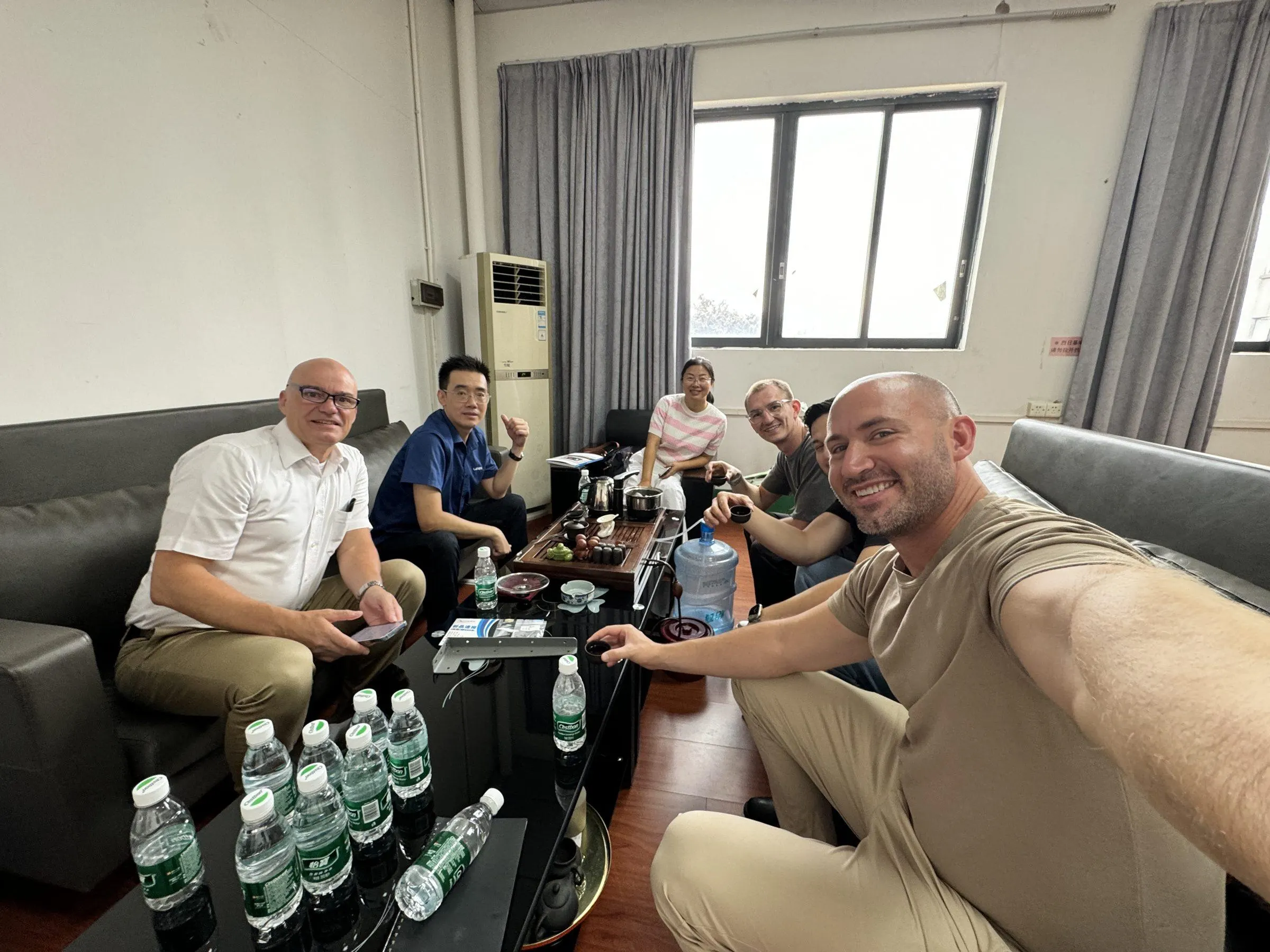
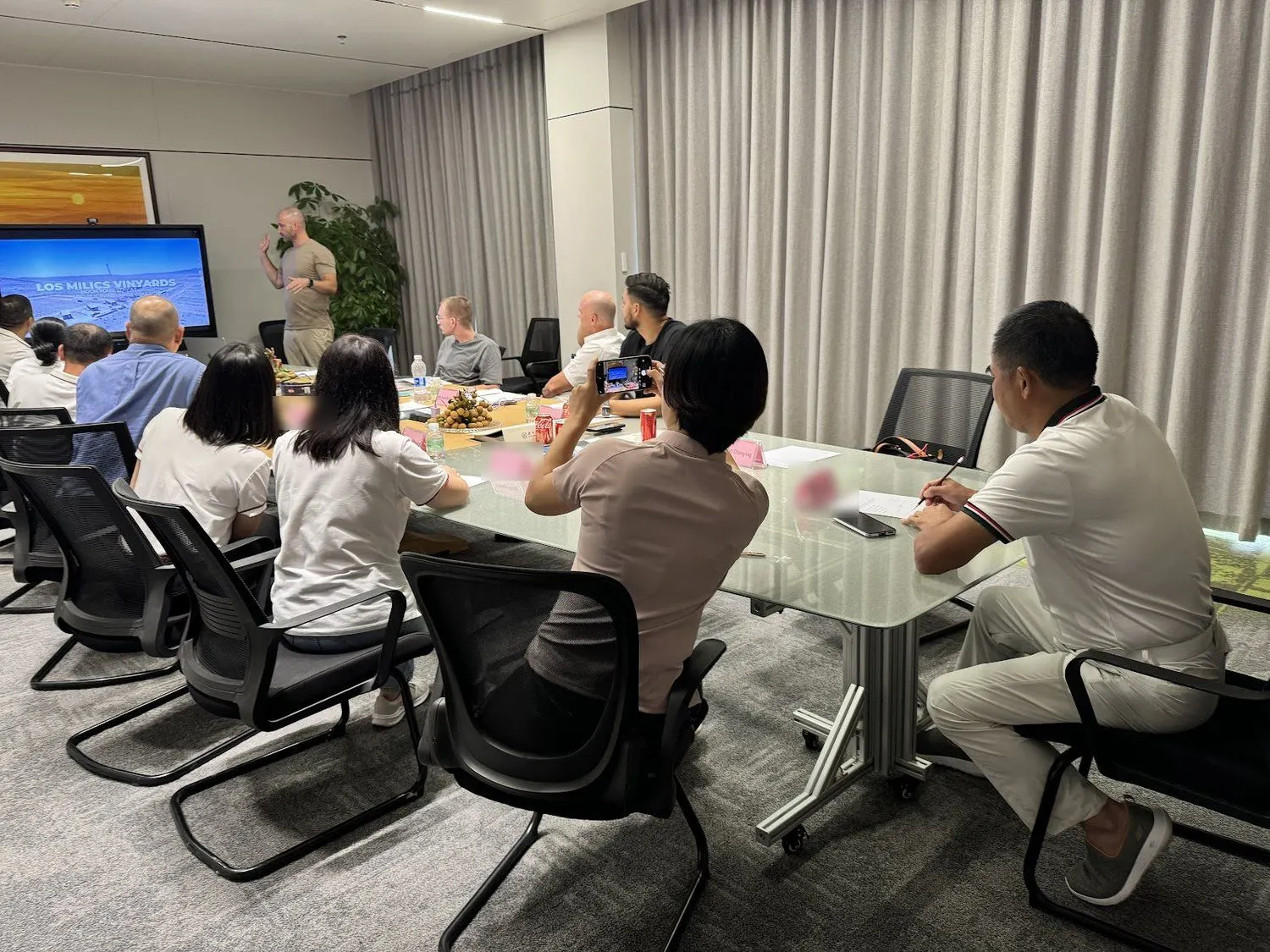
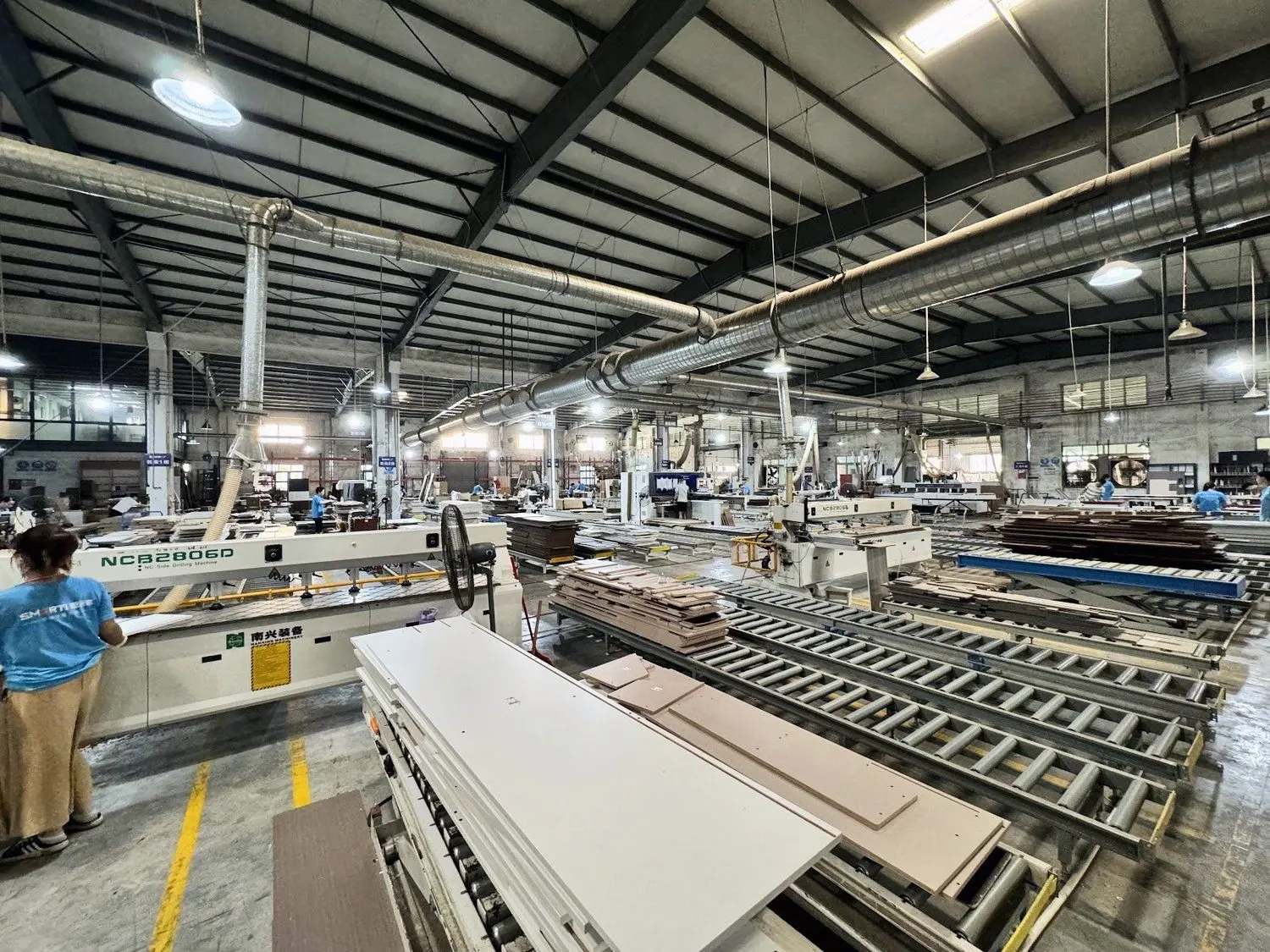
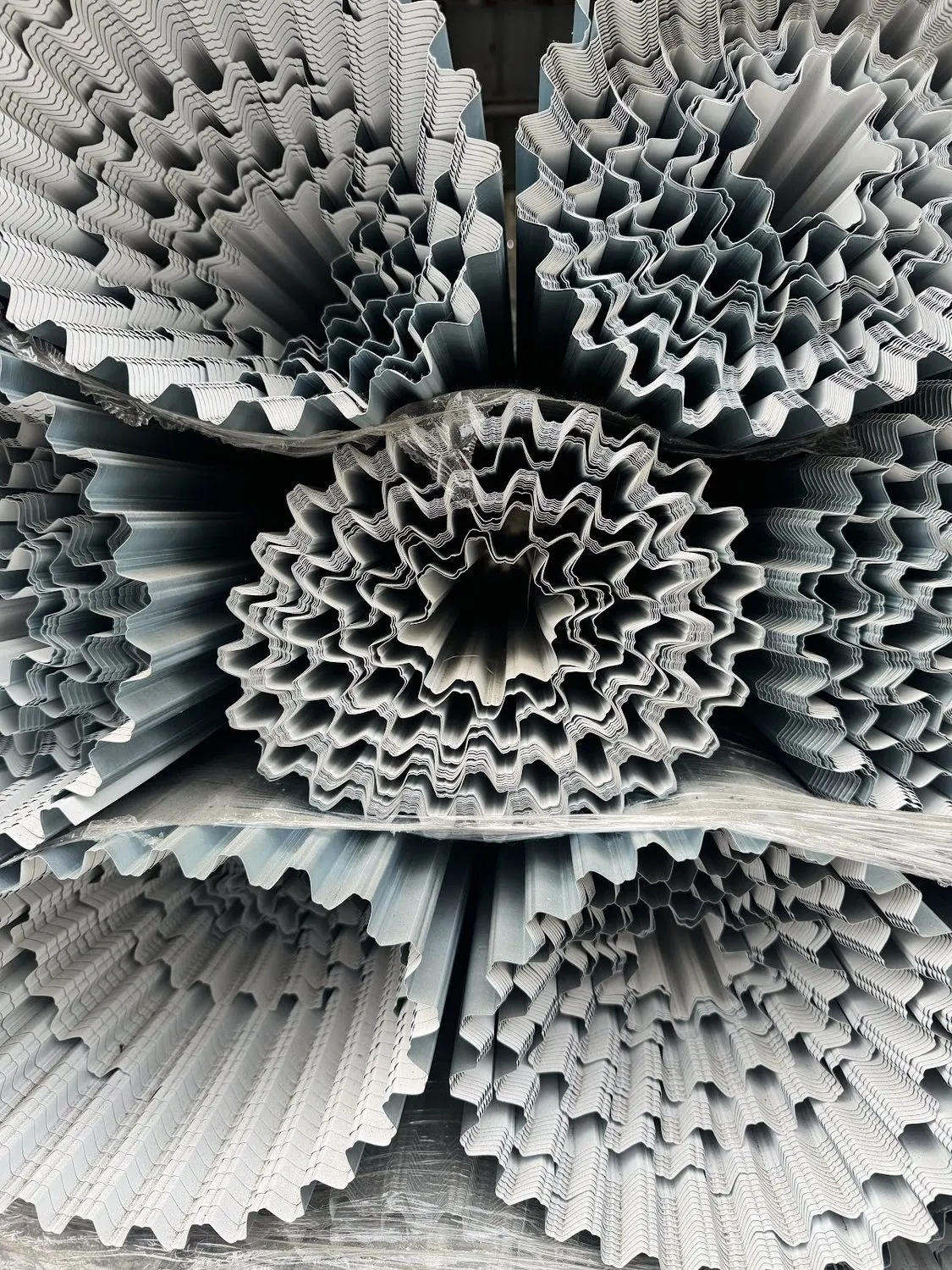
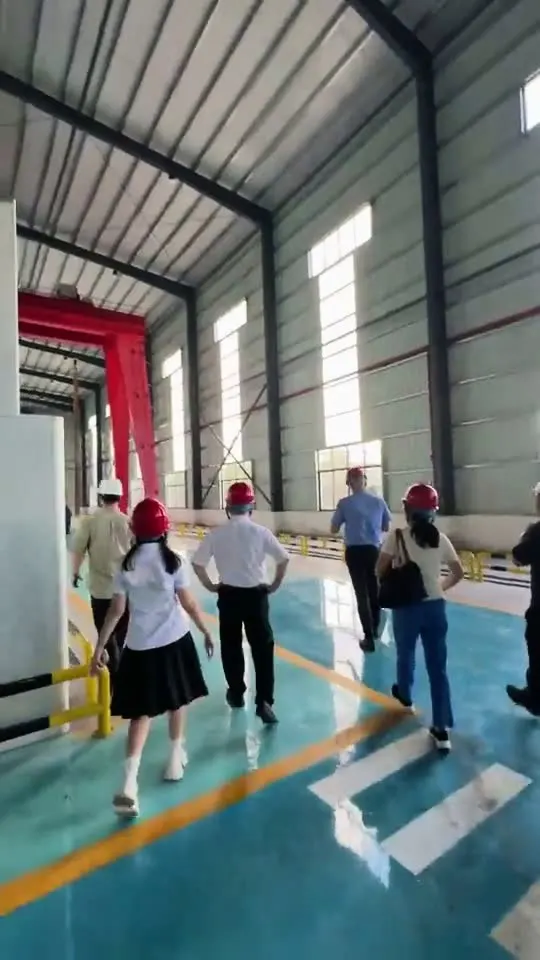
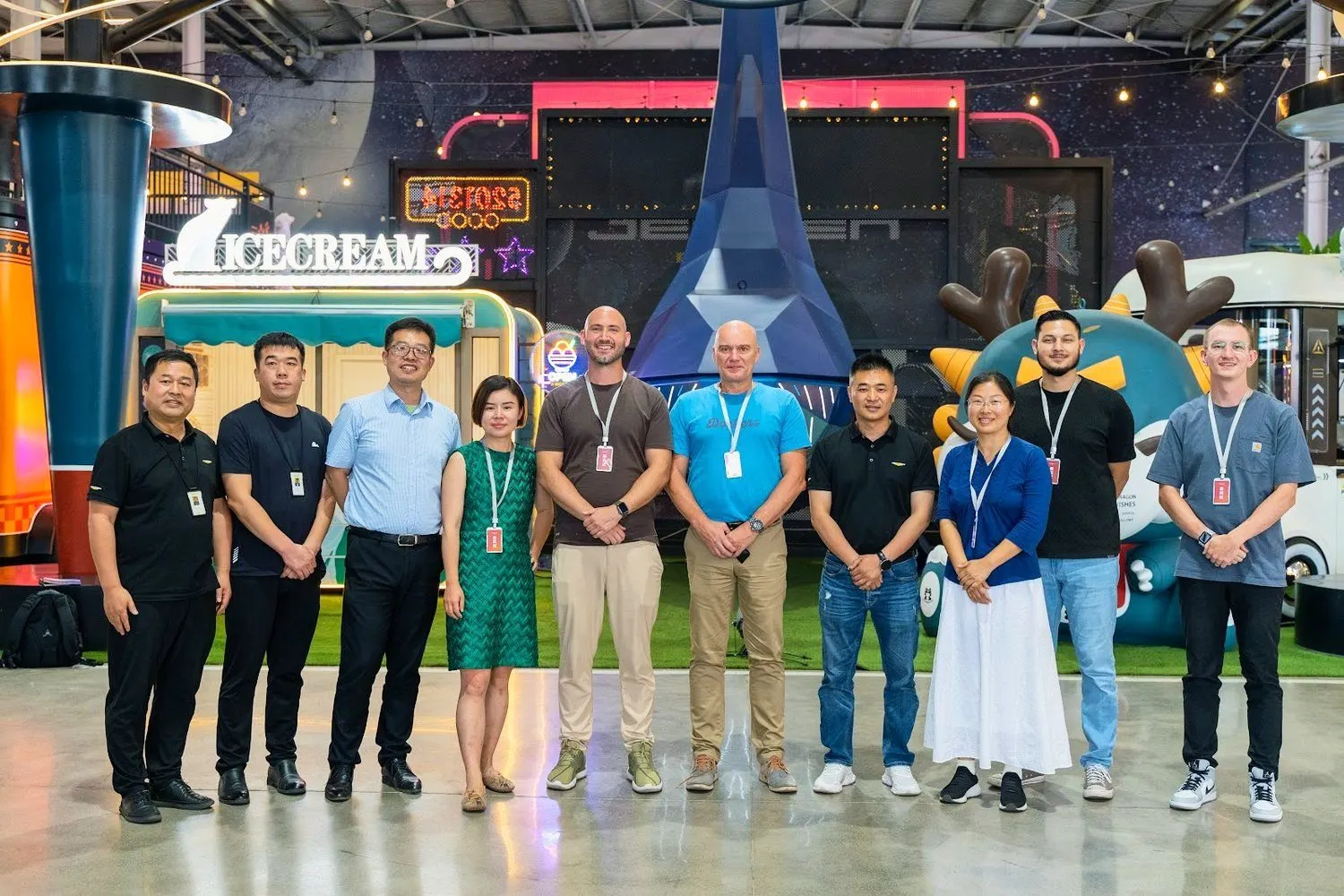
Meetings, tea, the factories themselves, and a group photo at a supplier.
- If a pipe bursts, then what?
- How does an owner reach it and fix it, years later, in a home that arrives finished?
- Can it survive the trip?
- Can this be lifted, bumped around and stacked and still arrive perfect? Who has actually shipped it, and where?
- Who owns compliance?
- A factory will do what you ask and no more. Testing and certification had to stay on our side.
- Who checks the checker?
- We shouldn't use inspectors a manufacturer recommends unless we can verify them ourselves.
- Are we even talking about the same thing?
- Small misunderstandings kept happening on calls. So: one shared group chat, with everyone on it.
I cut the backlog first, then automated customer support with AI.
I led the support team, and we had a backlog. So we held a customer support day to find out what was really going on. Then we set two goals: cut the backlog, and build an FAQ with an AI system on top of it. I fully automated customer support with AI.
I'd do it in that order again. AI answers are only as good as what your team already knows, so you start with what people keep asking and who knows the answer.
- Who are the experts?
- Find the people who actually know each answer, and get it out of their heads.
- What do people keep asking?
- Repeated questions are where automation pays off first.
- Is it in the FAQ?
- If it isn't written down, a chatbot can only guess. Fill the gap first.
- The AI chatbot
- Customers got answers from the FAQ, without waiting on the team.
- The same answers, on camera
- The questions people kept asking also went on the list to become videos, so support and marketing fed each other.
The home needed an app, so I designed one.
Every home had solar, batteries, water systems, cameras and furniture that moves. That's a lot to control from a wall of switches. So I designed a smart home app in Figma, starting from a question in my notes: how would you actually interact with a smart home?
The house itself is the home screen, and you tap a room to get to what's in it. It stayed a design. The app never got built.
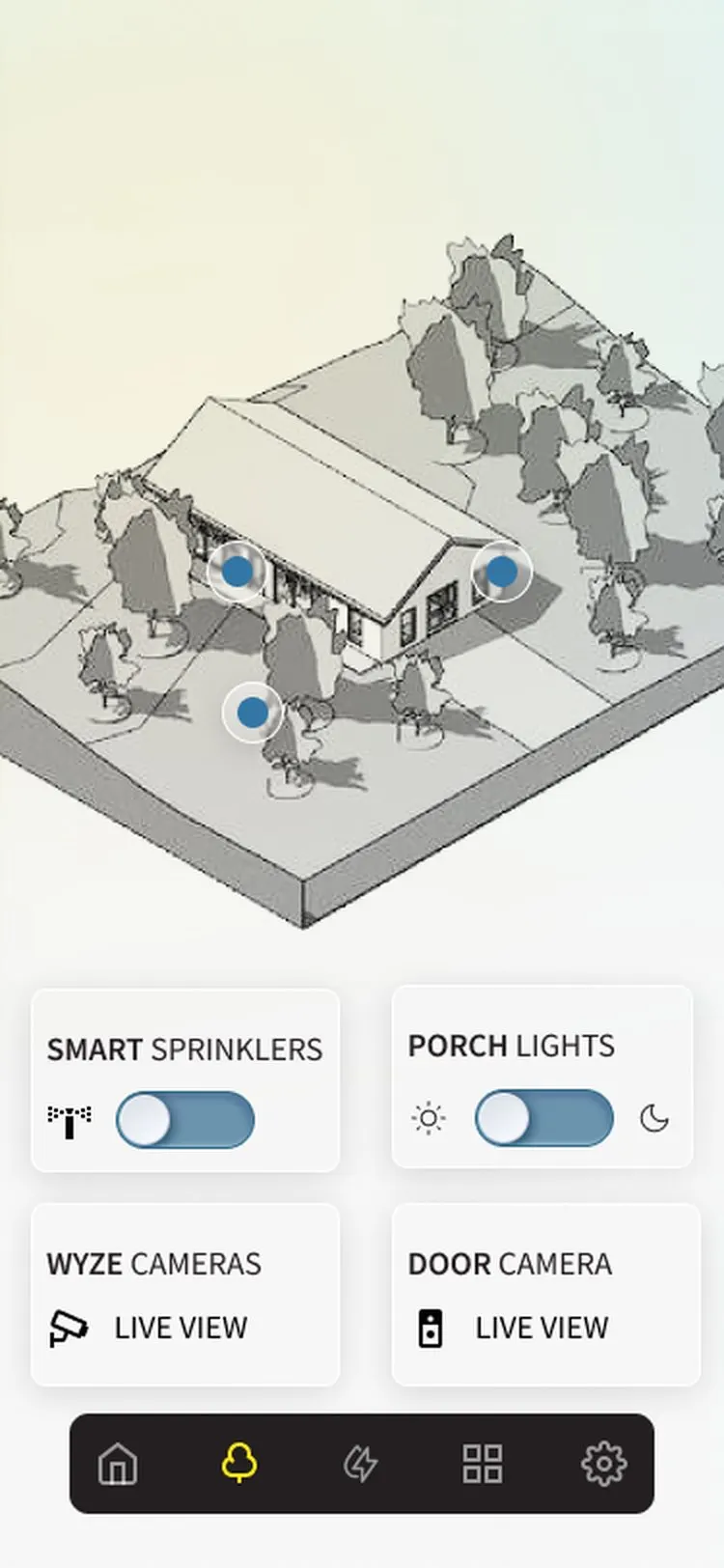
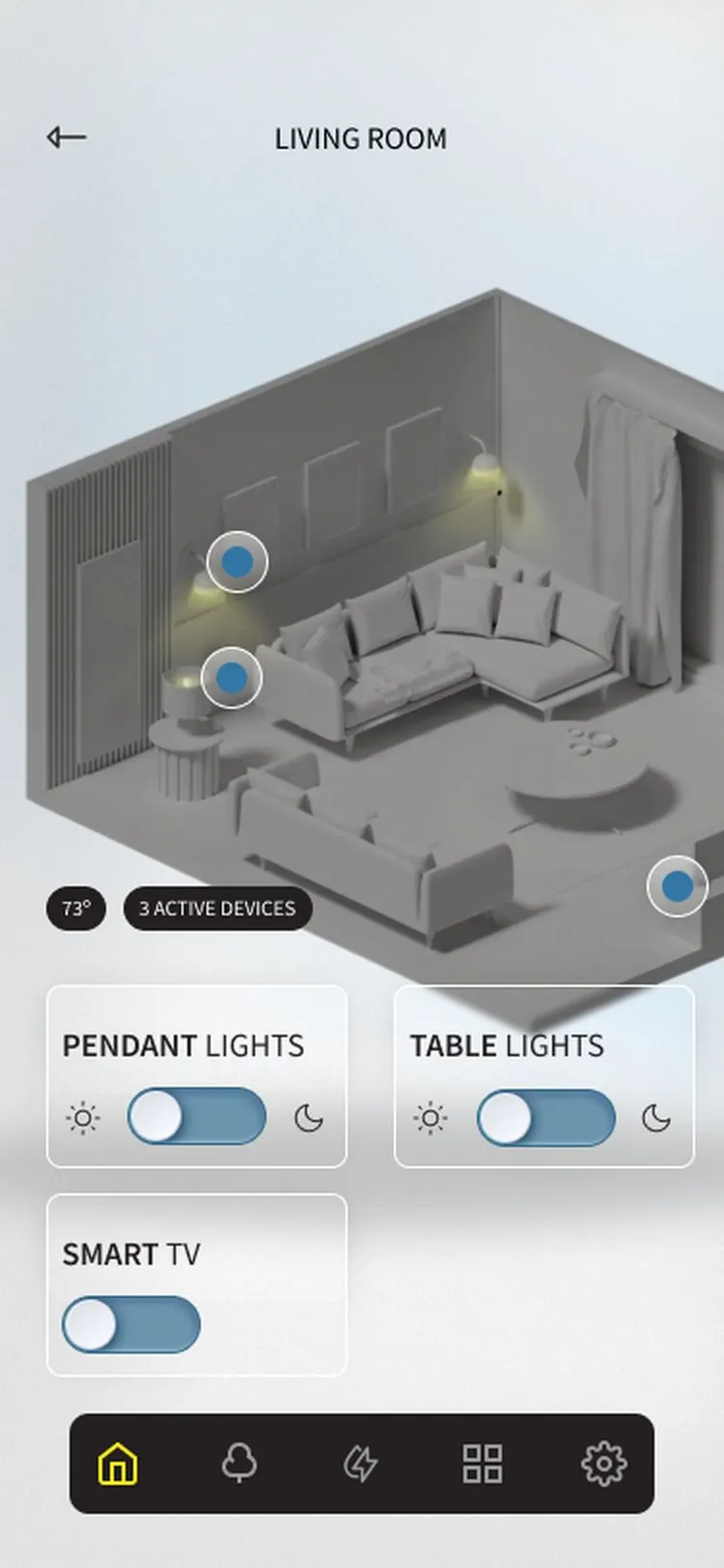
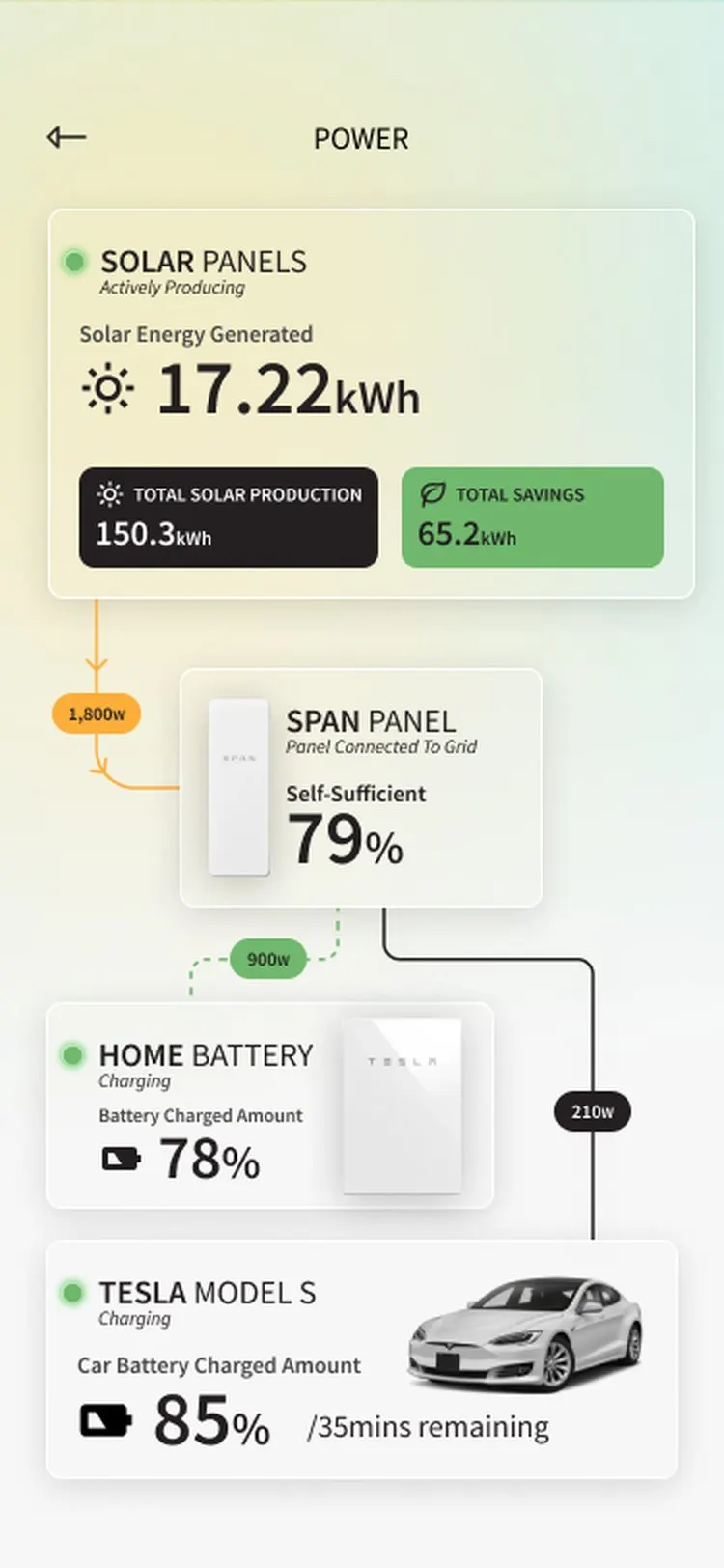
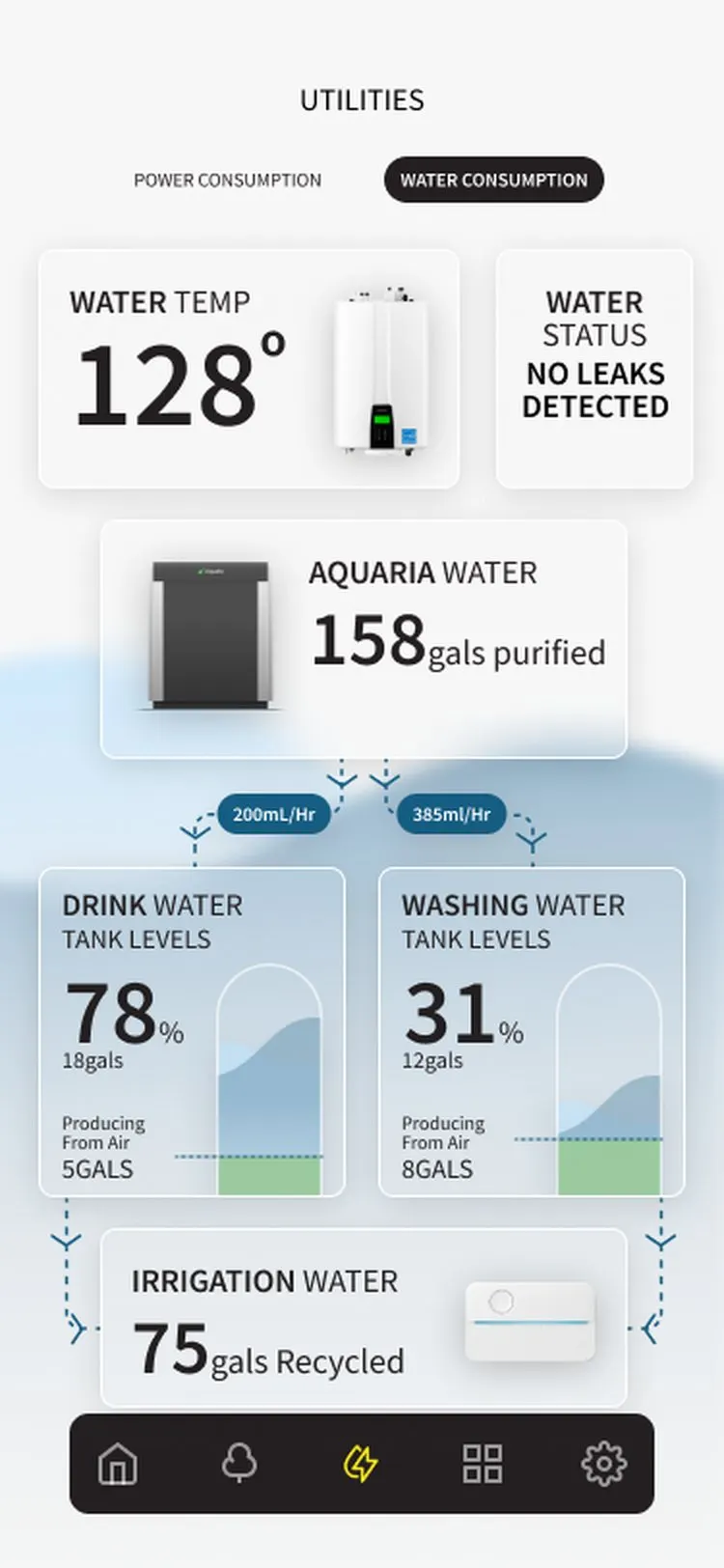
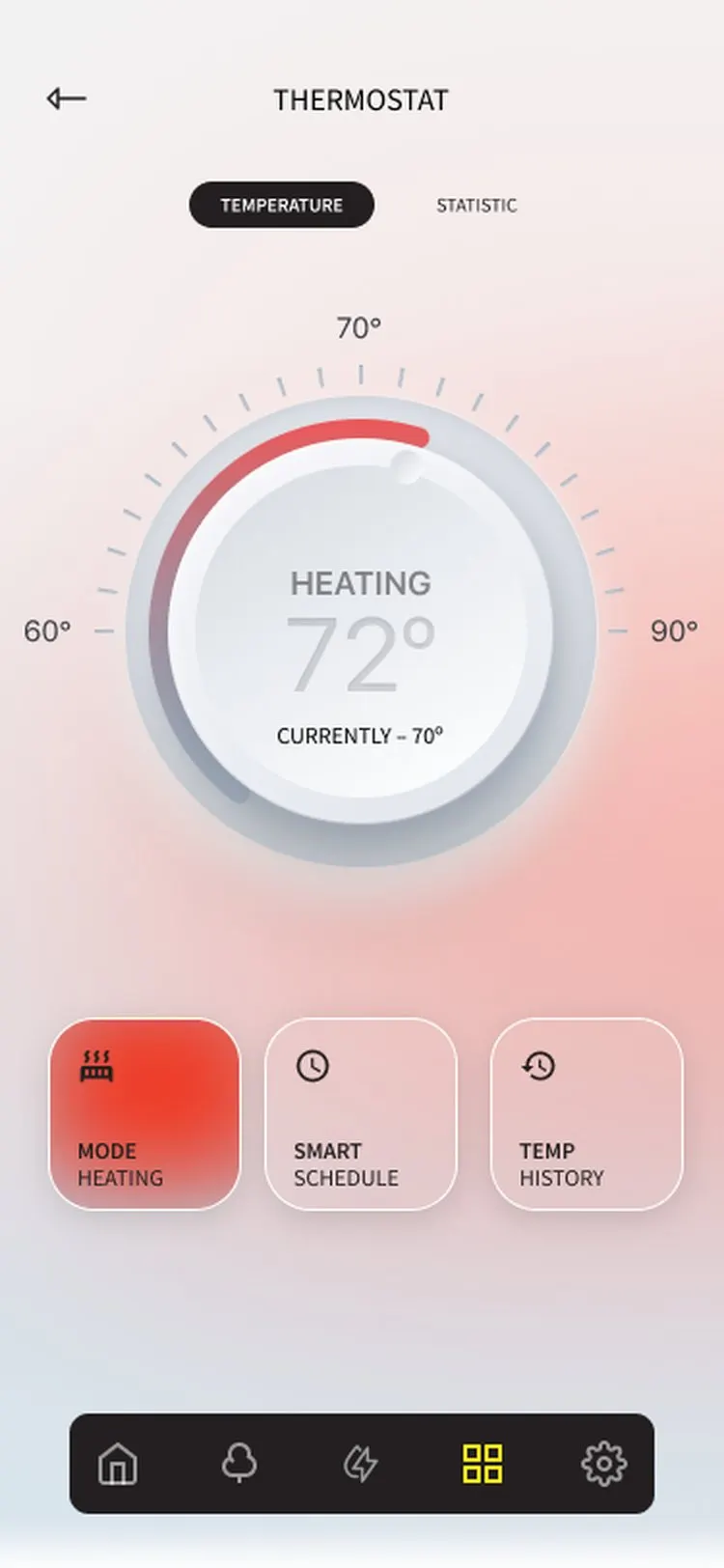
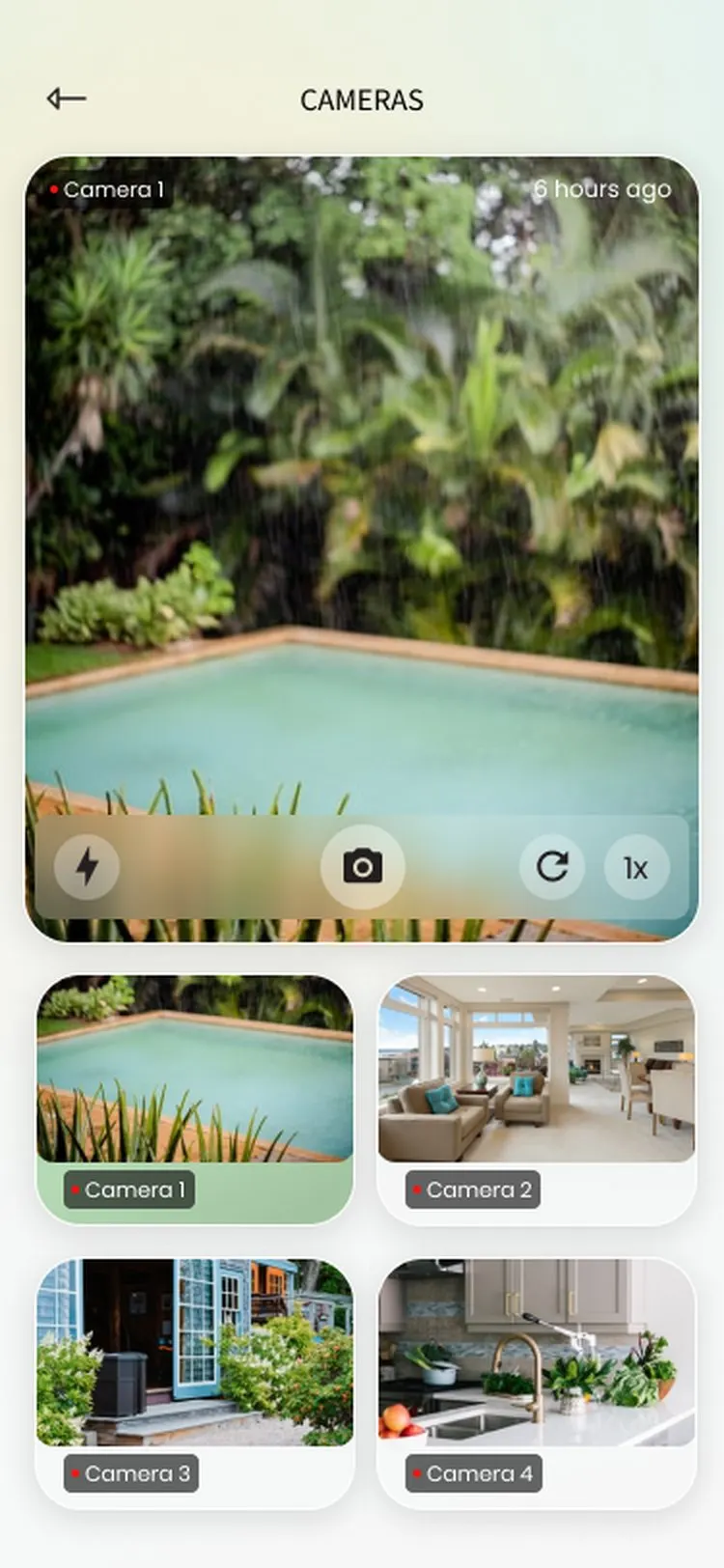
The house is the home screen. Tap a room to reach what's in it. It stayed a design, and the app never got built.
At a company this size, the rest of the job was mine too.
A company this size has no one else to hand things to.
- Press
- Media contact on the June 2023 launch. Coverage in Forbes, Builder and Benzinga, and local coverage of the Navajo Nation news. When one article got facts wrong, I wrote up the corrections.
- Podcast
- On Crowdfunding Demystified, mid-raise, talking through how the campaign worked.
- Website
- Rebuilt zennihome.com: simpler pages, model pages for the Citizen and Denizen, tour booking, and a clear route for investors.
- Marketing plan
- A master plan with everything in one place, regular marketing operations meetings, and events including one at Sundance.
- WefunderThe campaign, updates and investor lists
- Google SlidesPitch and investor decks
- VimeoWebinars and home tours
- ZoomWebinars and virtual open houses
- Luma, EventbriteEvent RSVPs
- CalendlyInvestor calls and tours
- Zoho CRMInvestor pipeline
- CartaIssuing shares
- Figma, FigJamDecks, ads, the app, the investor map
- Meta, TikTok pixelsTracking and retargeting
- NotionMarketing plan and team pages
- RevVideo transcripts
- WeChatManufacturers in China
- AI chatbotCustomer support
What I'd tell you straight
- The business has since closed. This page covers what I did and what was announced at the time, and I'm happy to tell the rest of the story.
- We talked a lot about soft orders. A soft order isn't an order, and the campaign page said so. I left those numbers off this page on purpose.
- I can't show you a clean link from any single webinar, ad or update to a jump in the total. I wanted that attribution and I don't have it to show.
- I don't have view counts for my own reels on hand.
- The direct pipeline leaked. Faster follow-up should have been there from day one.
Raising money for something hard to explain?
I can write the story, build the deck, run the campaign and stand in the room.
Start a conversation