A new drink brand's store converted at 4% on day one, and 3.14% for the year.
SipsClub needed a store, a story and a way to sell a product type nobody had a word for yet. I built all of it with no agency and no developer on staff, then ran the tech for a year as its fractional CTO: $149,299 in net sales, 1,522 orders, and more than 30% of sales from subscriptions. Here's how I did it, and the decisions that made it work.
SipsClub. Fractional CTO. Strategy, design, code, copy, SEO, video, analytics. 2024 to 2025.
4% on launch day, and above 3% for the whole first year.
The store launched in June 2024 and converted at 4% on day one. Across the first year it held 3.14%, for $149,299 in net sales. Subscriptions grew past 30% of sales, and organic search brought in over $17,000.
No agency team and no developer on staff. These numbers came from the systems on this page.
4%Conversion on launch day
3.14%Conversion across the whole first year
$149,299Net sales in year one
30%+Of sales from subscriptions
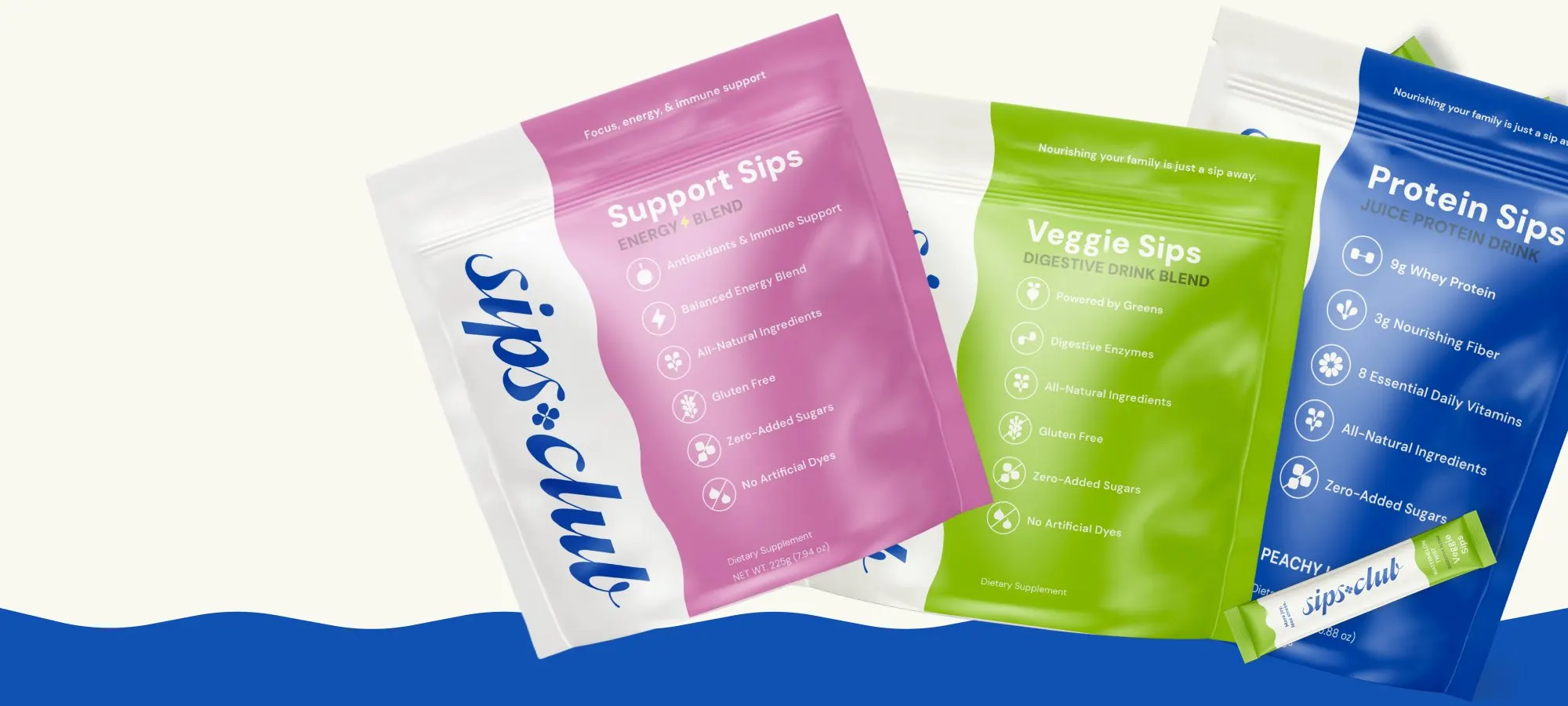
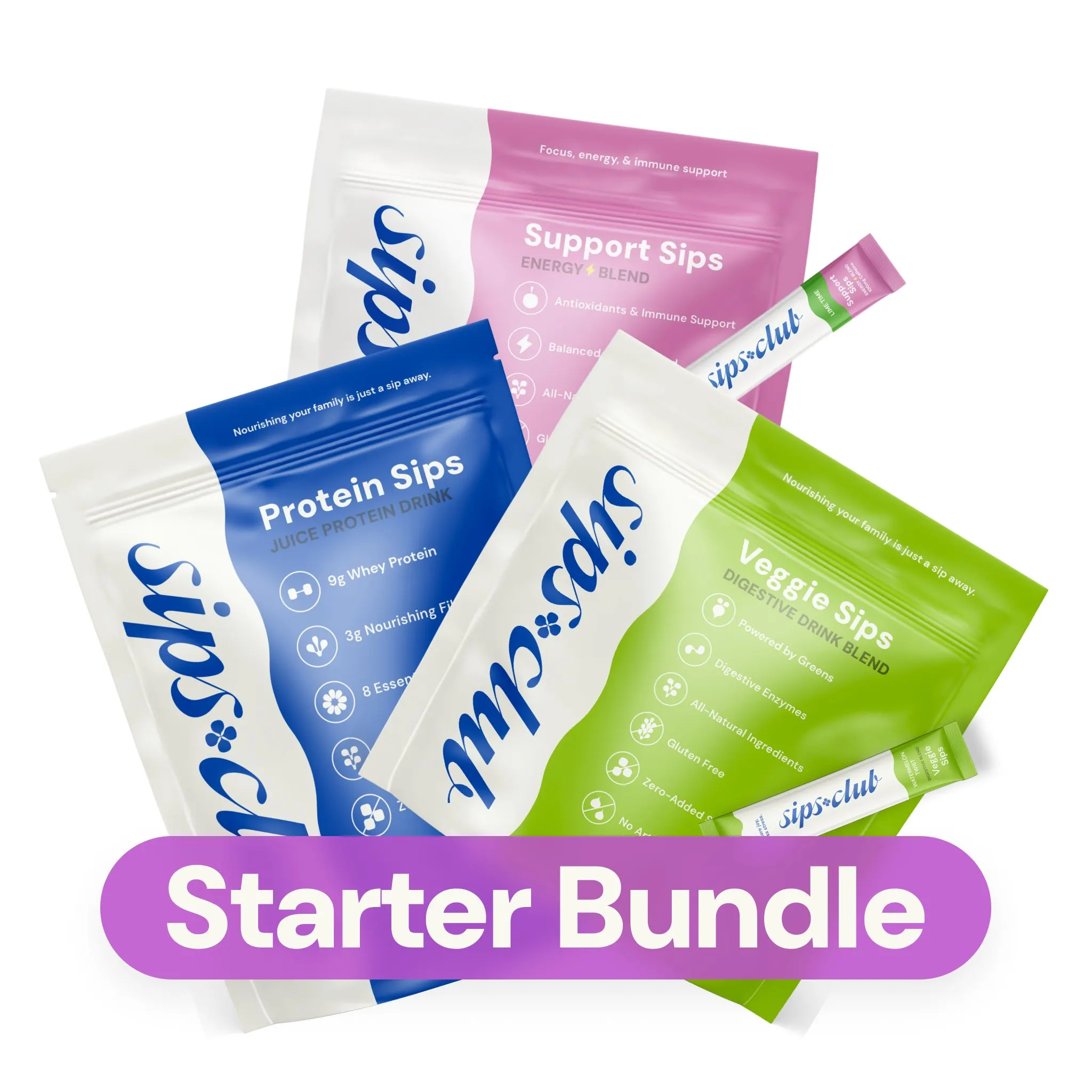
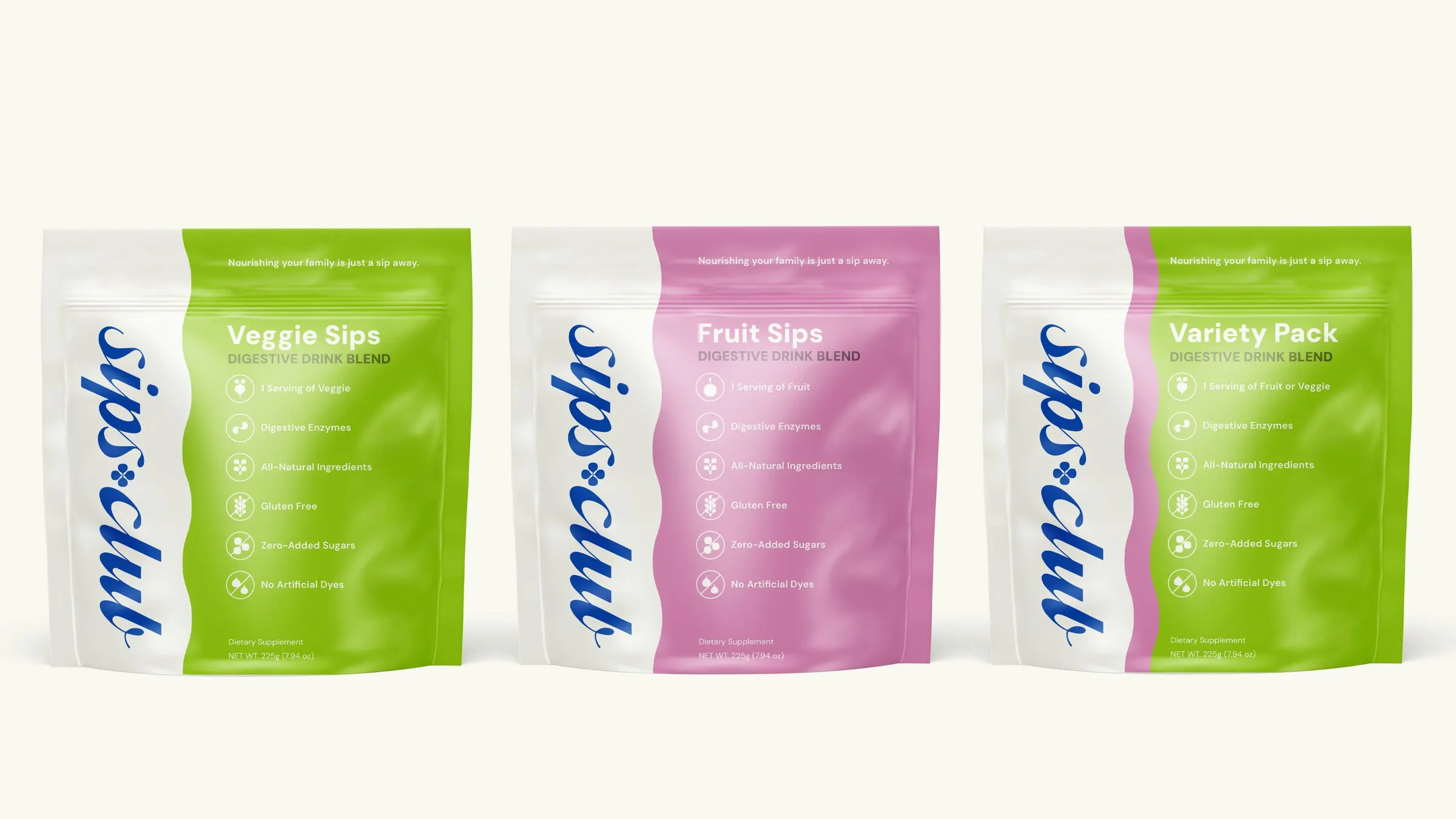
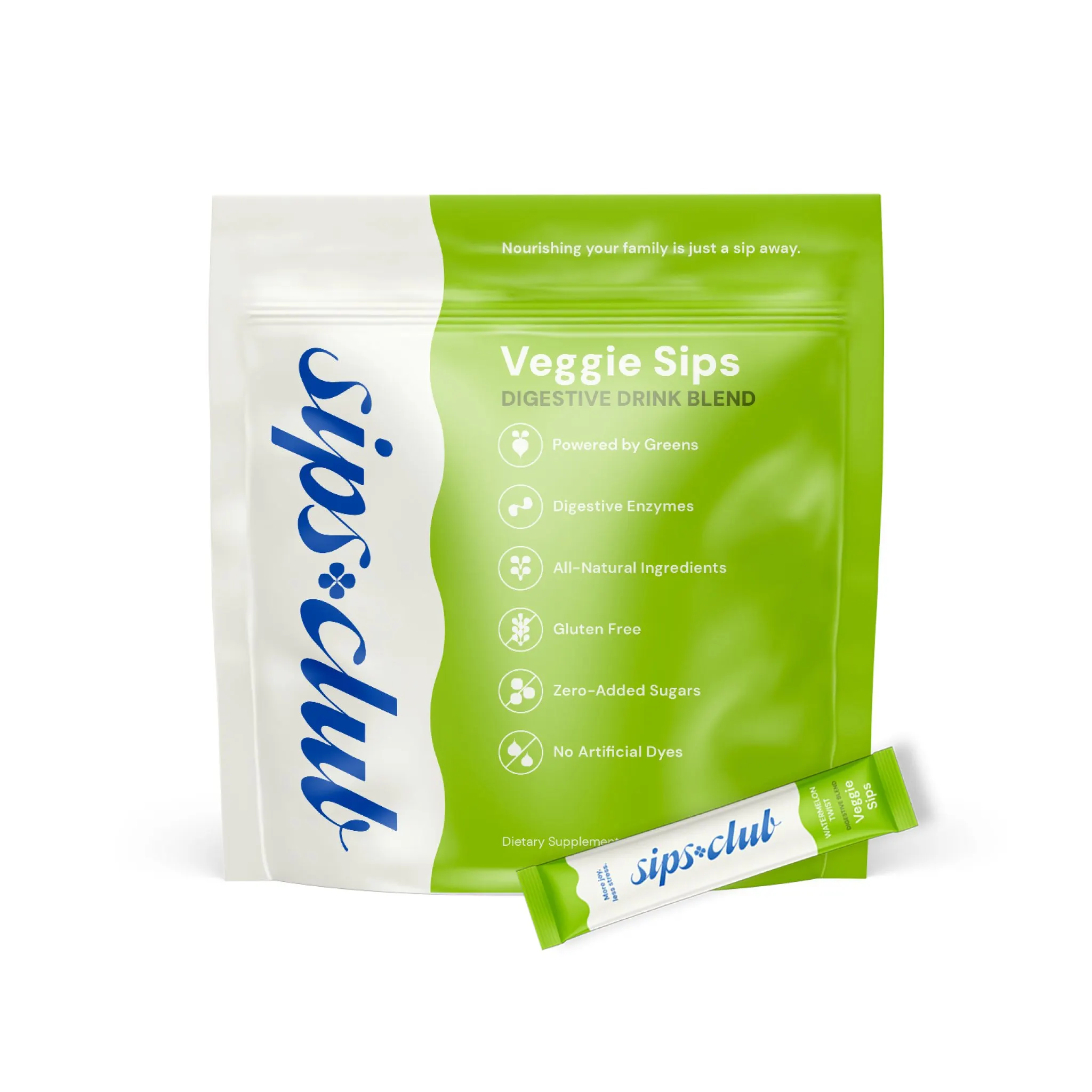
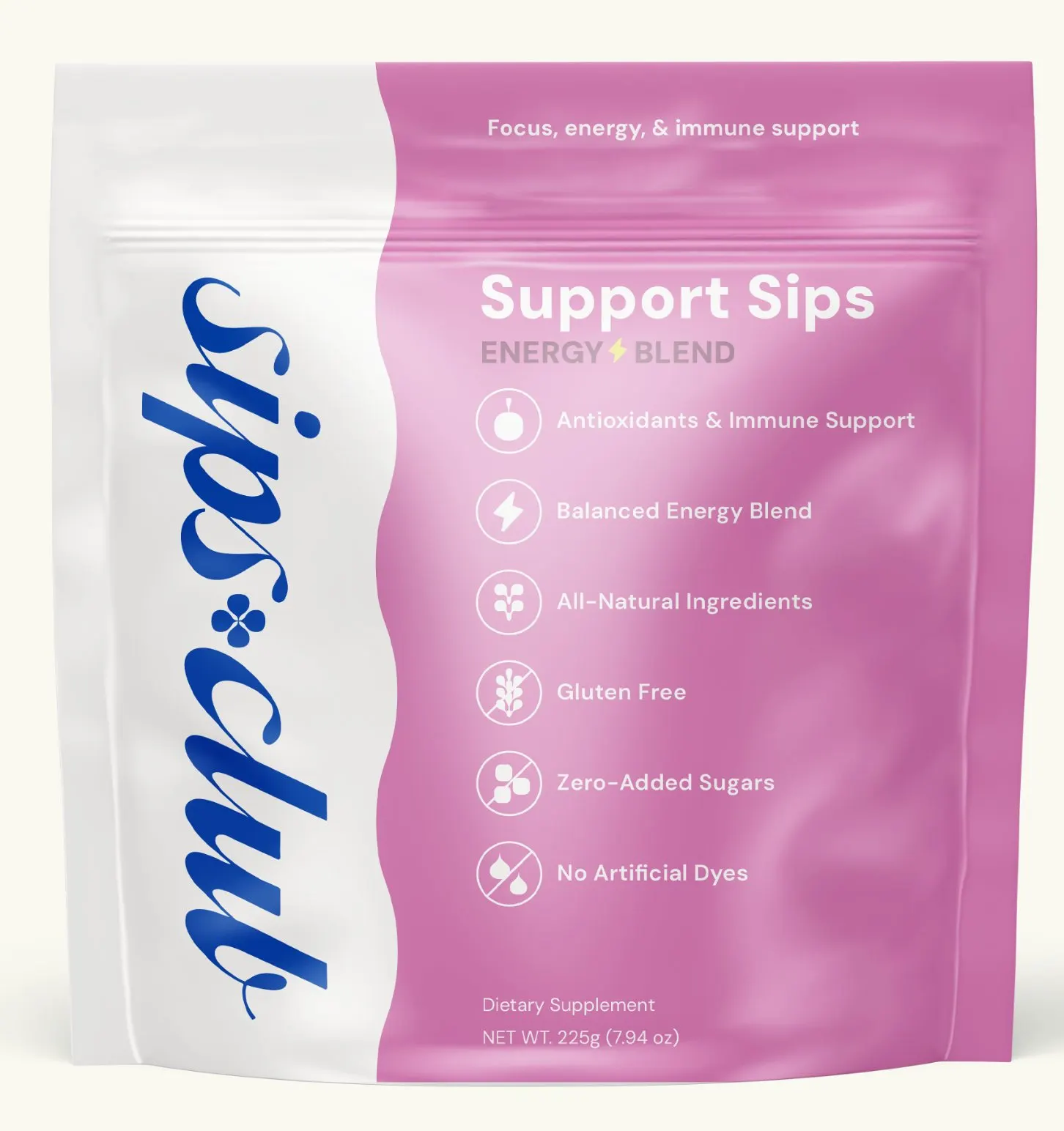
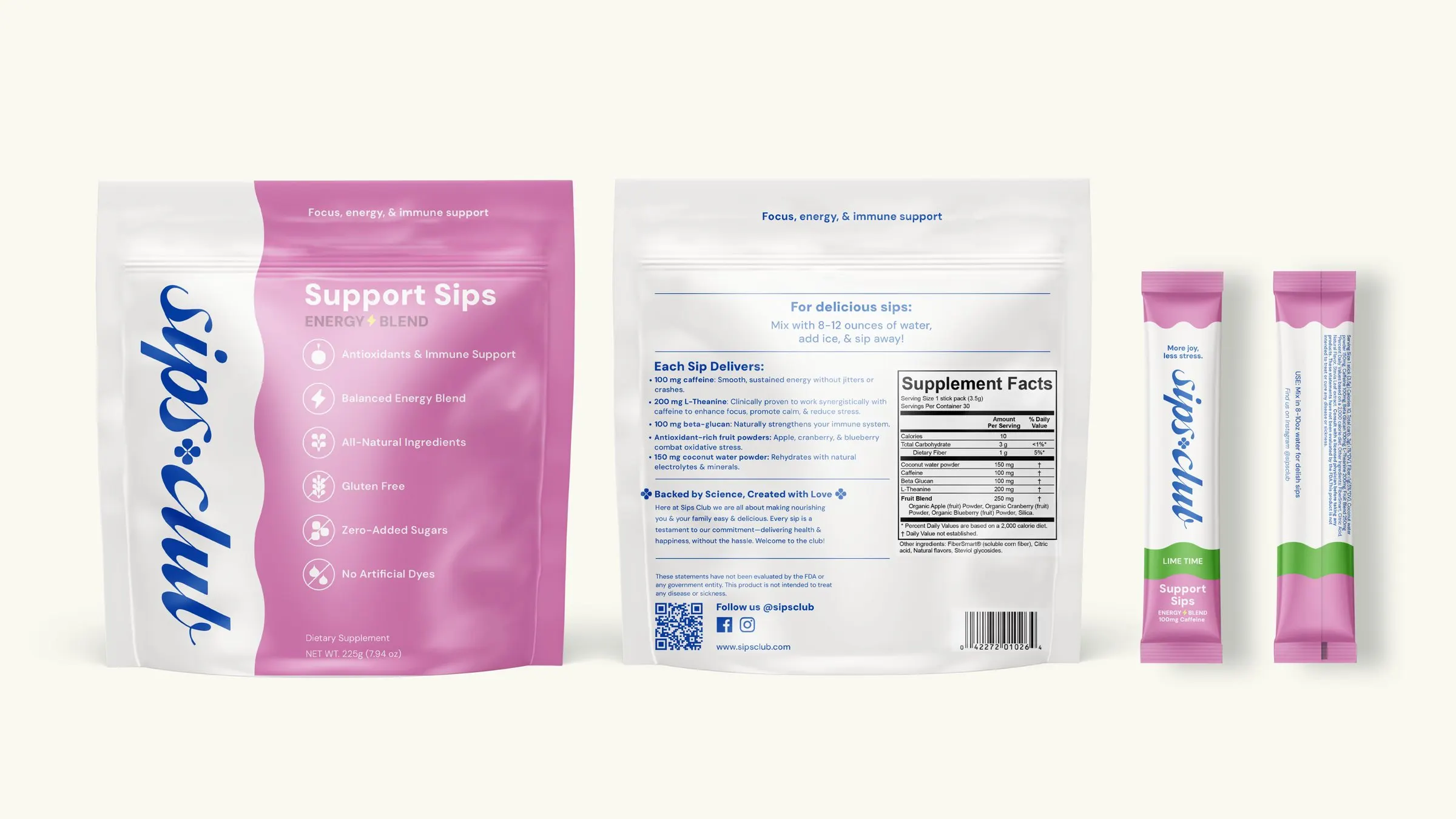
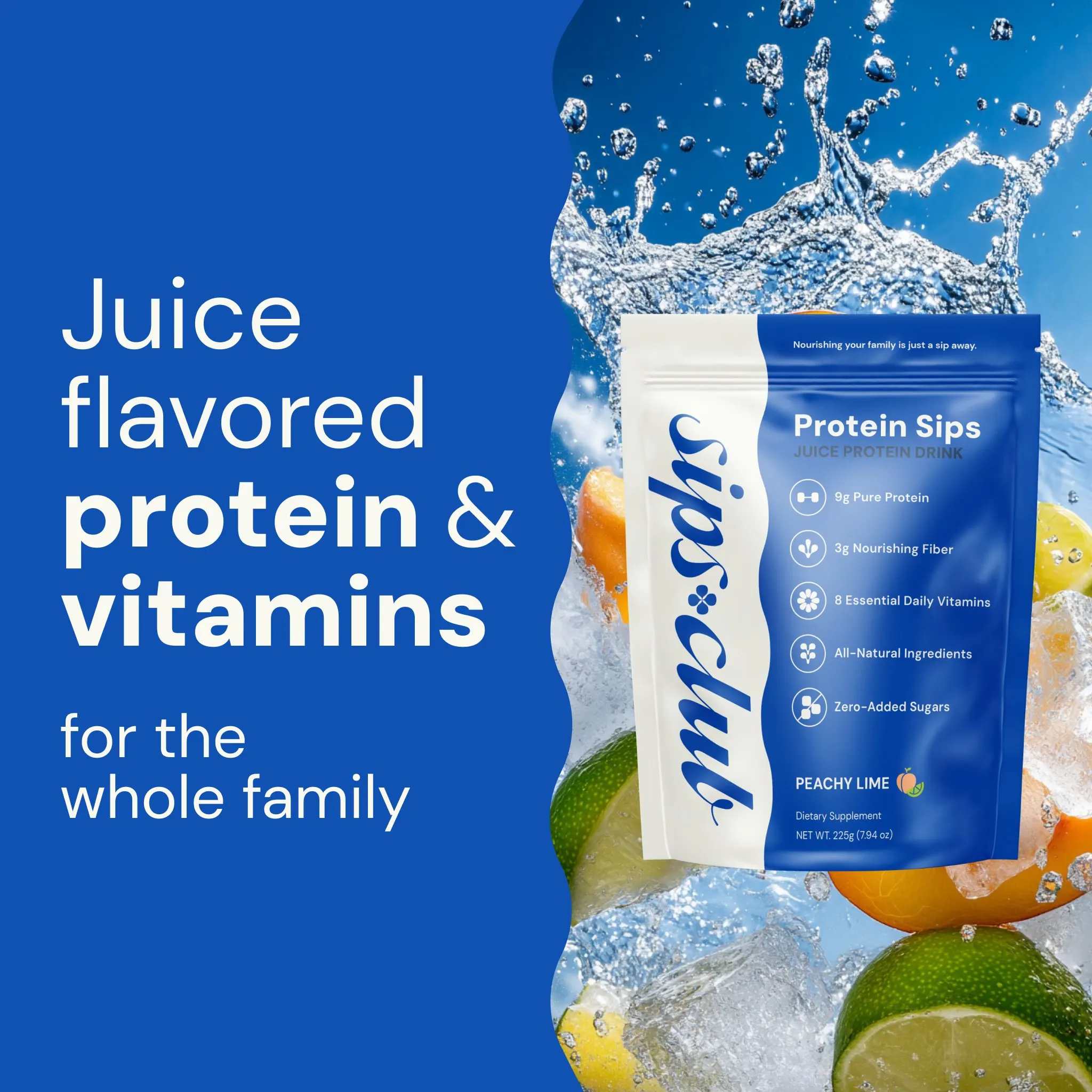
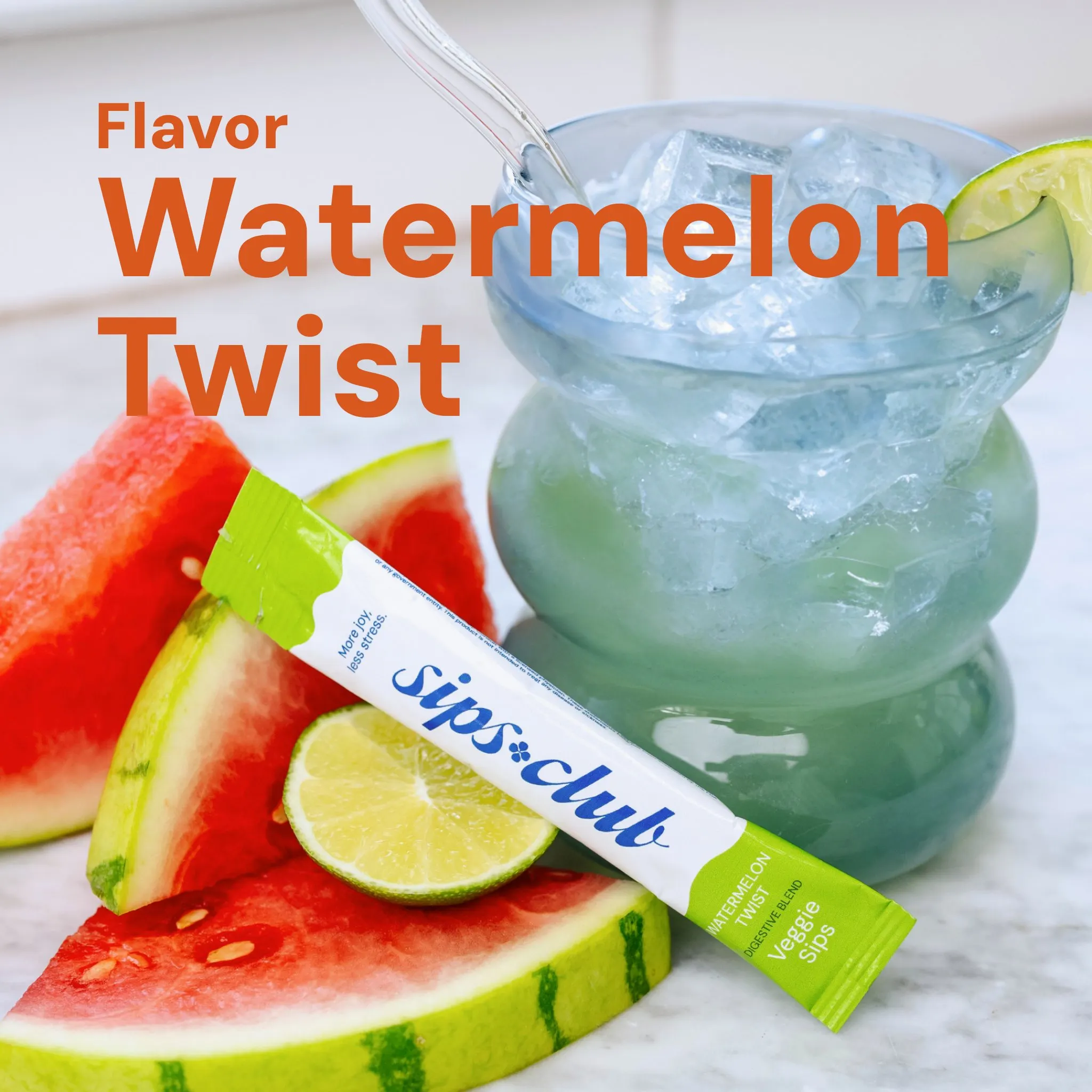
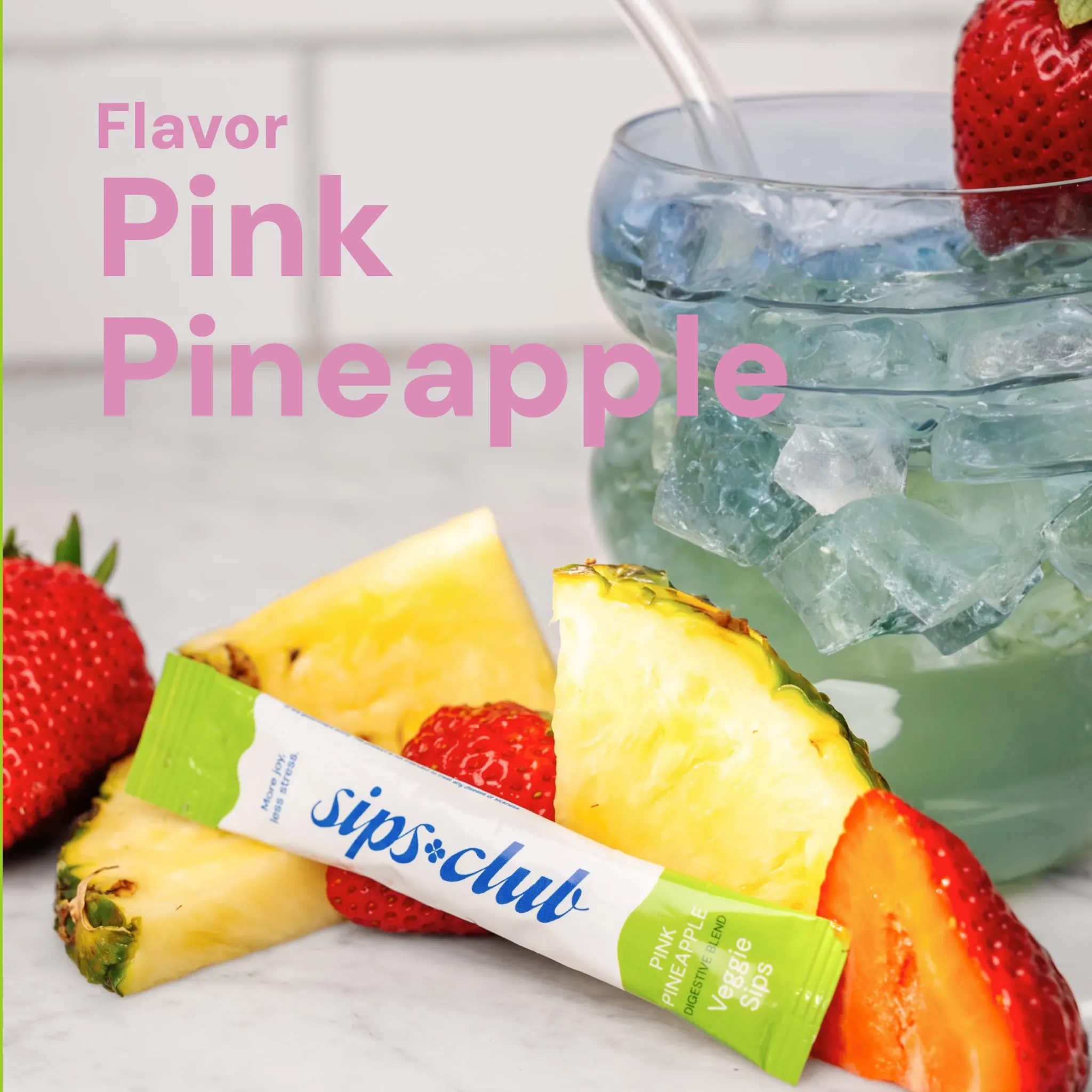
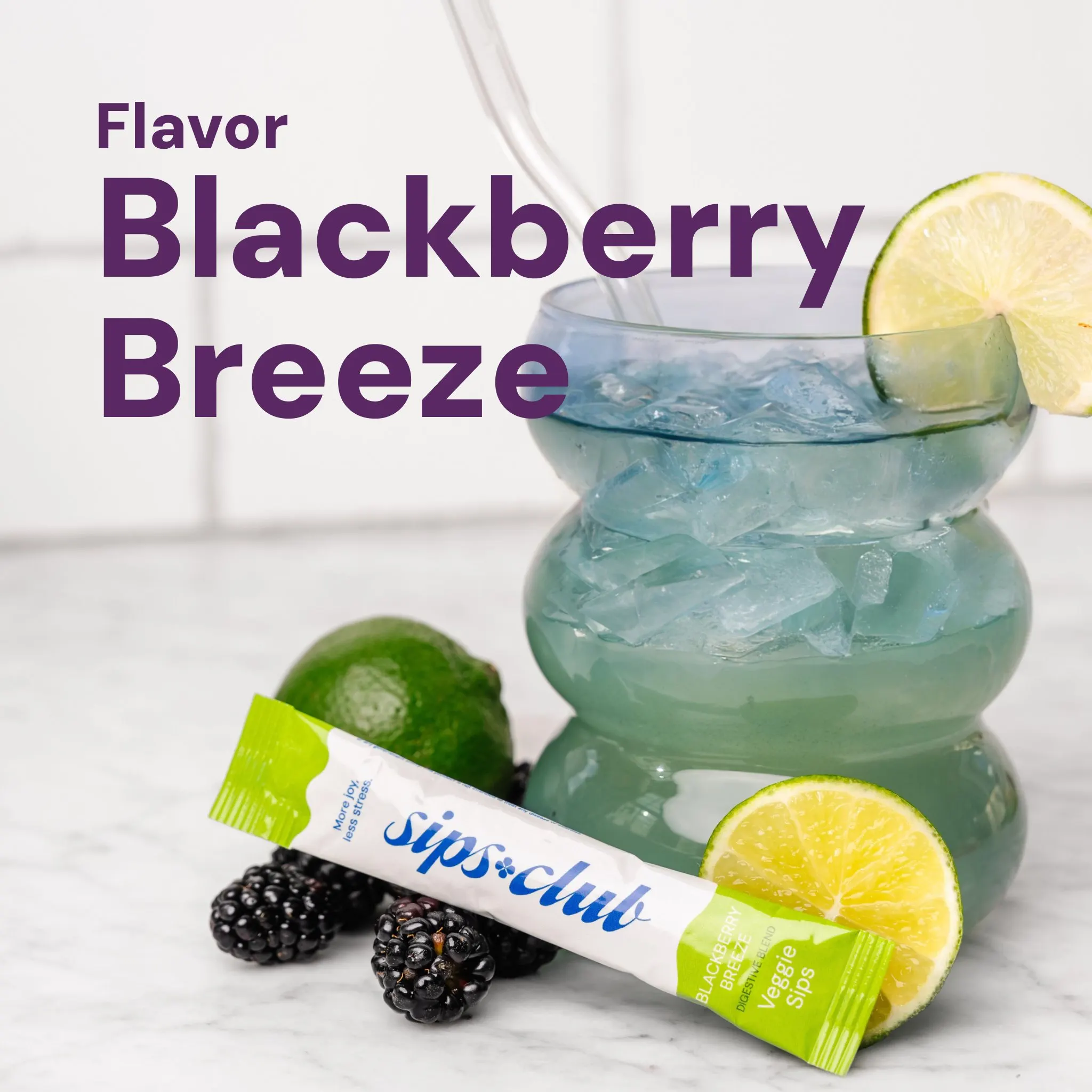
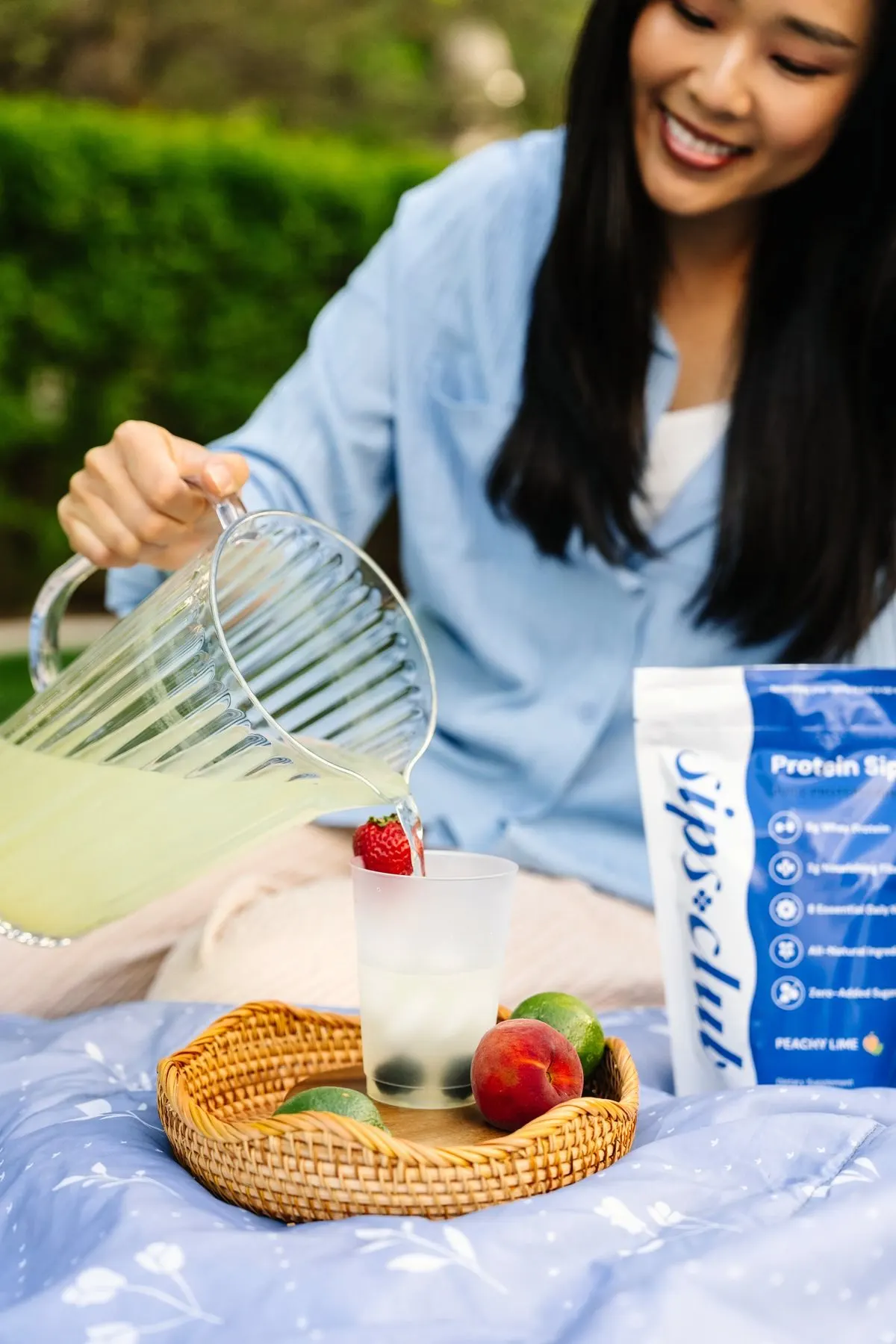
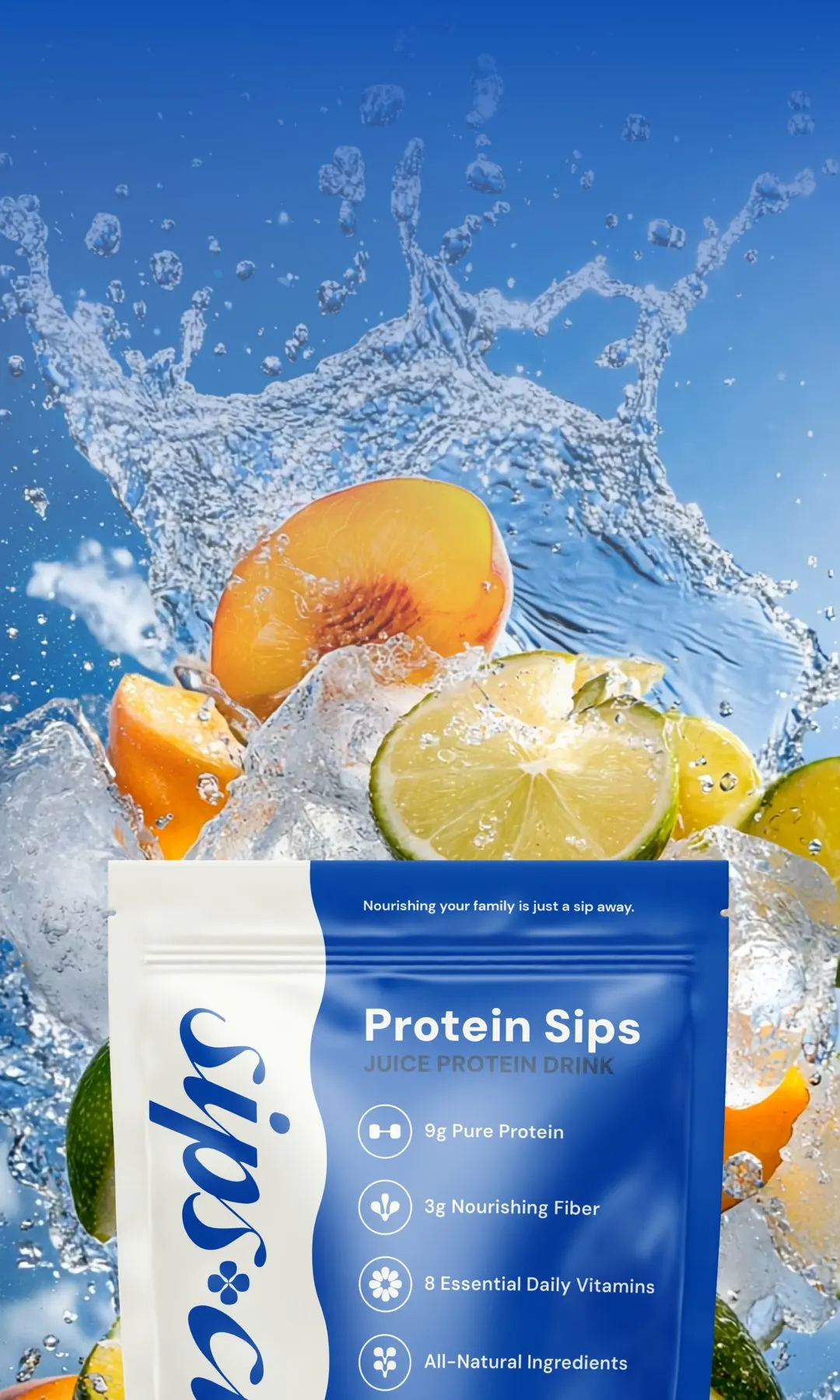
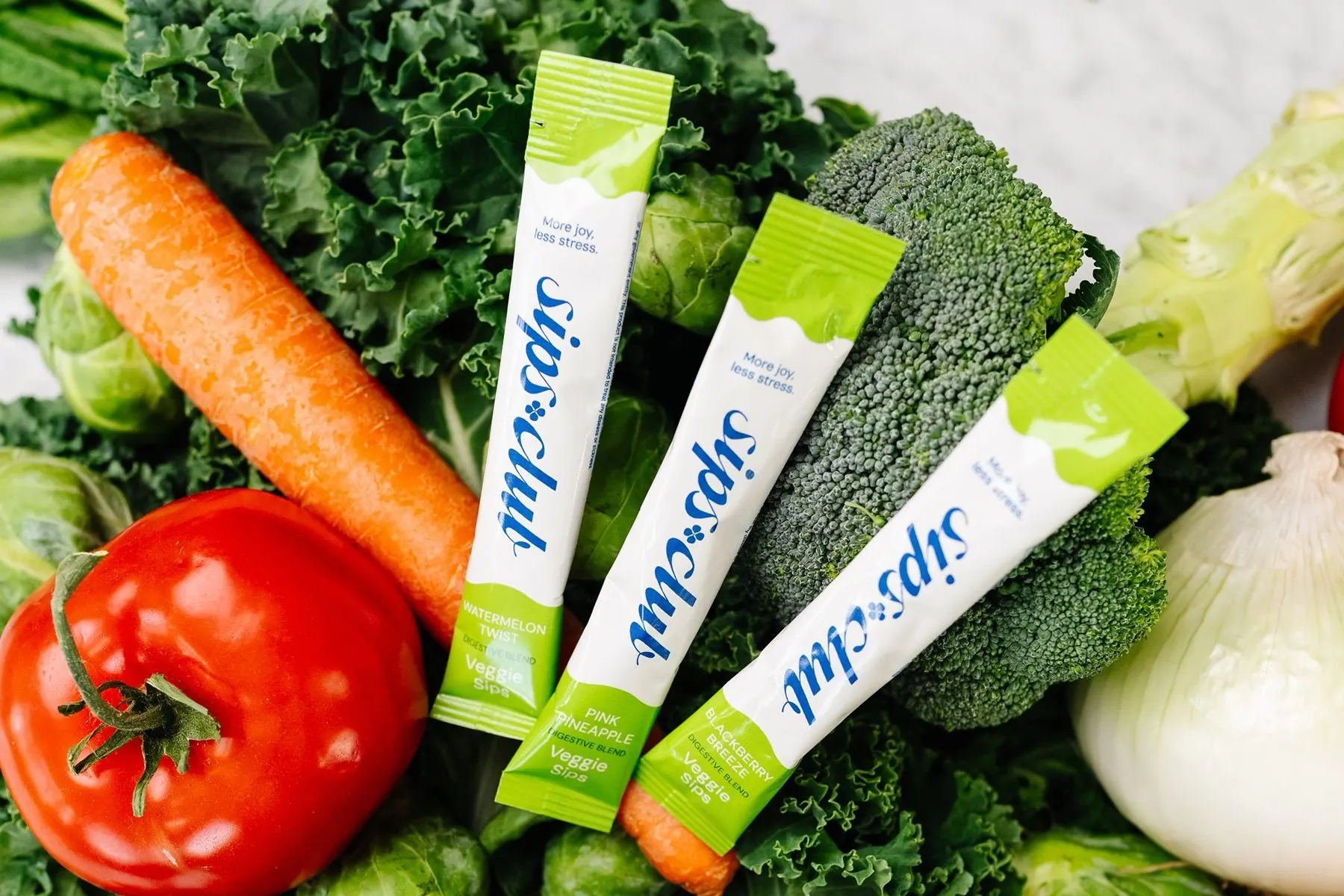
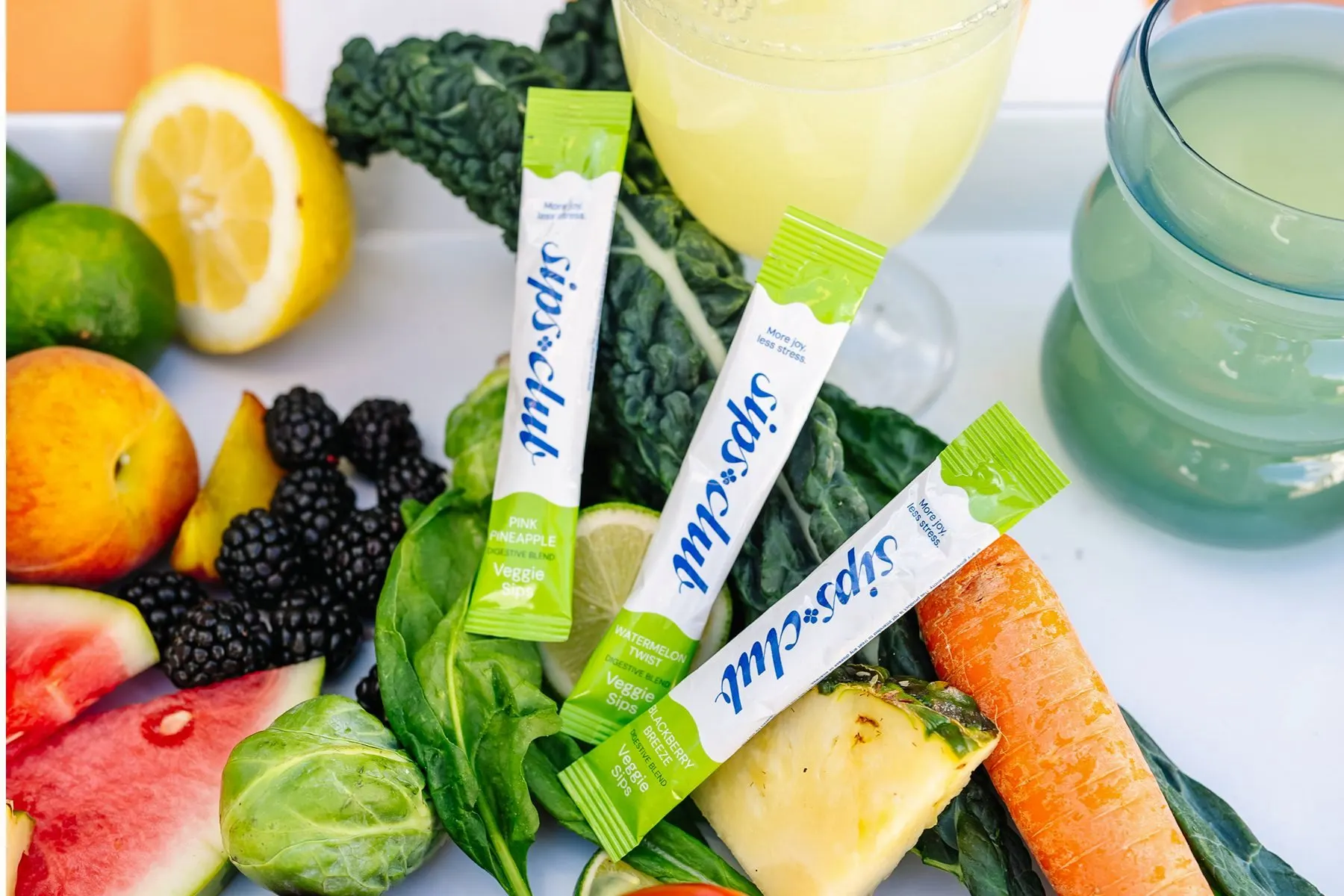
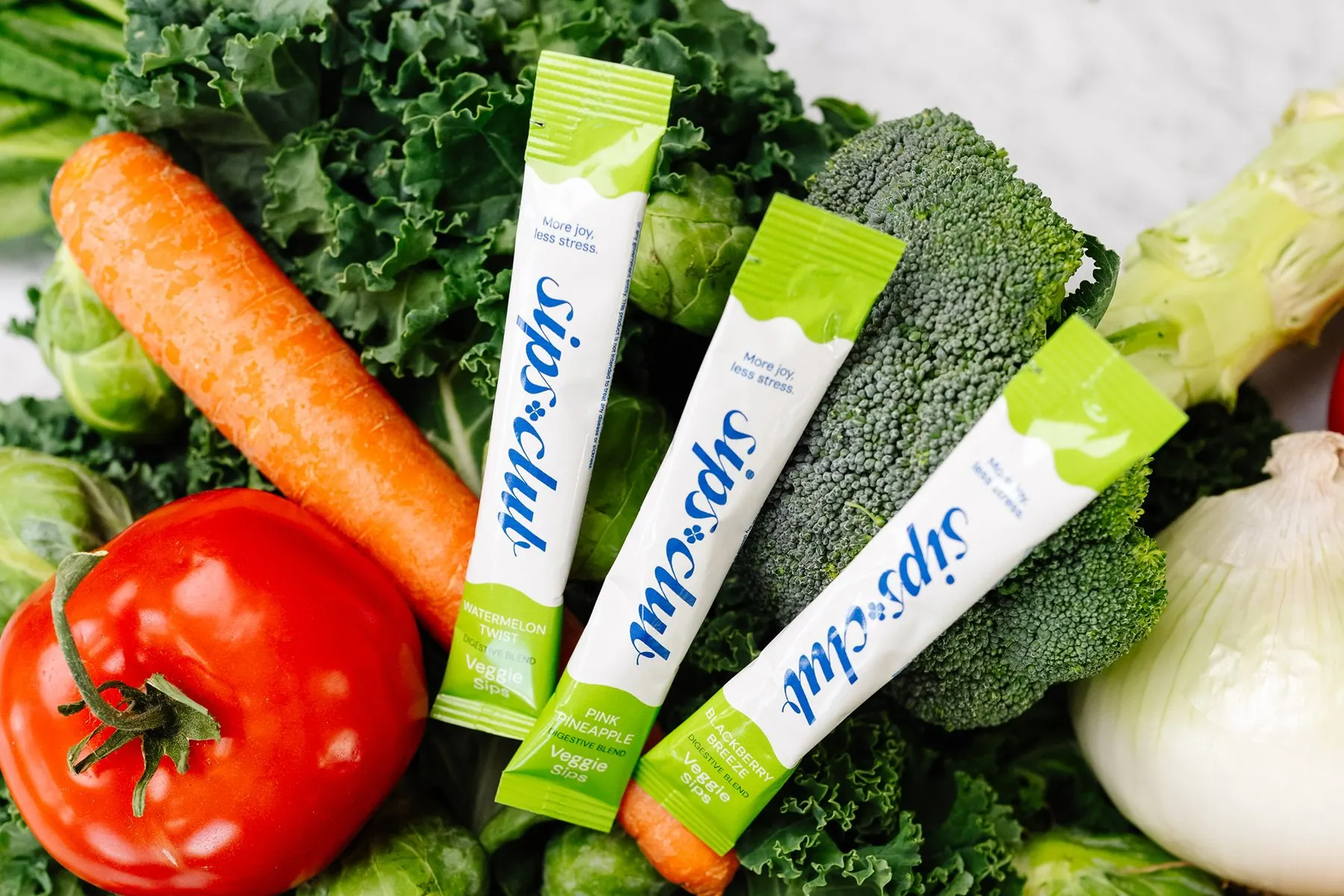
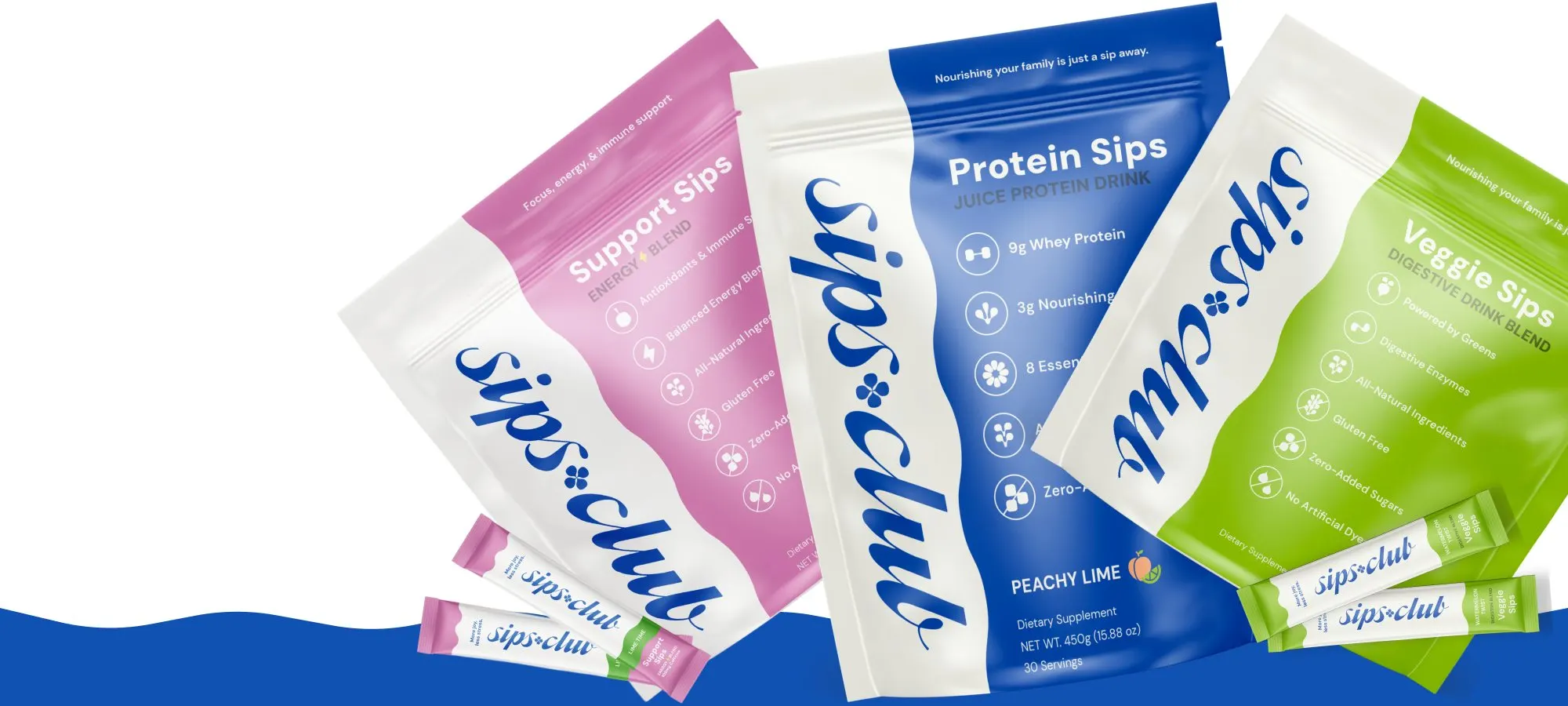
The launch look: one pouch color per product, on the brand's blue wave.
A new kind of product, and no one to build the store.
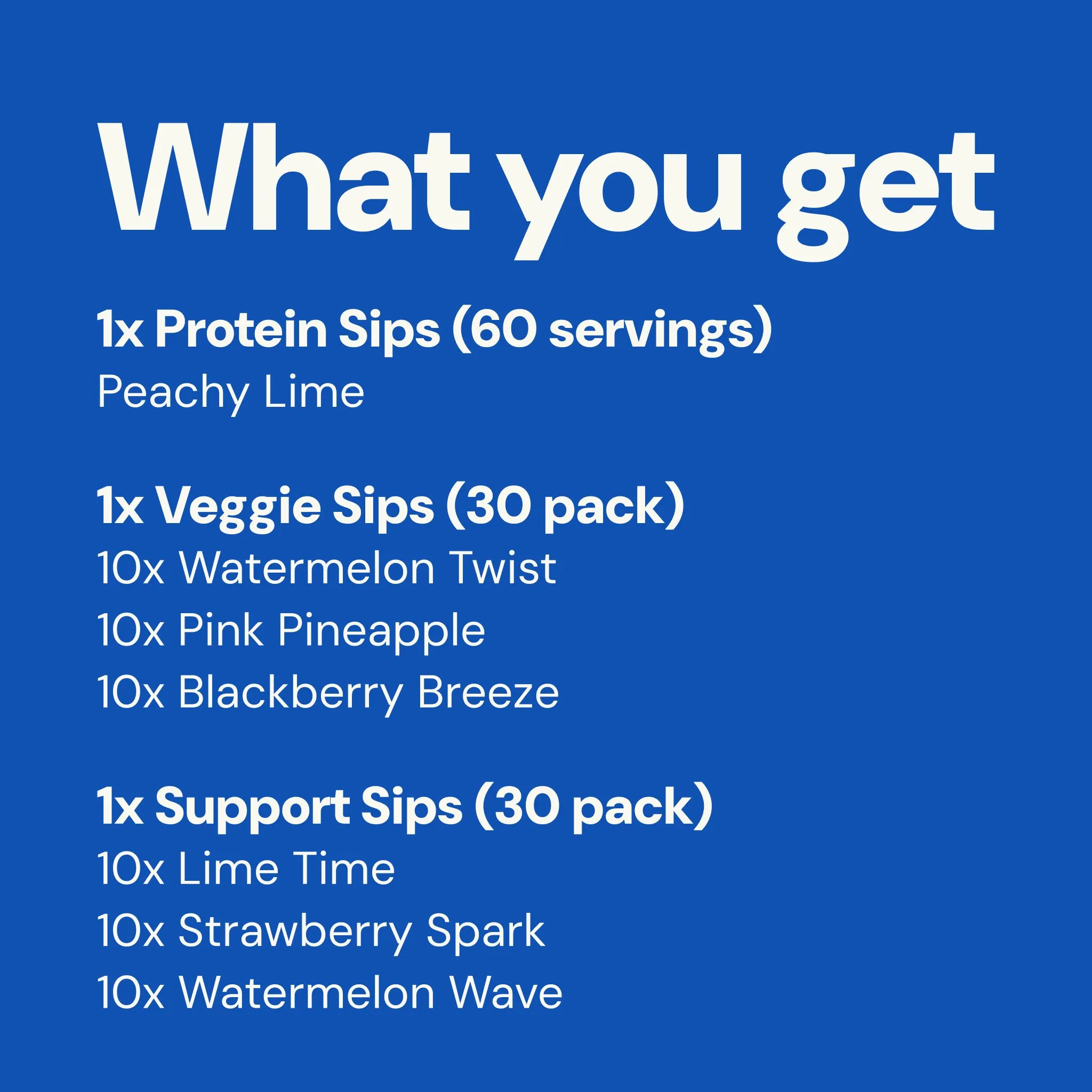
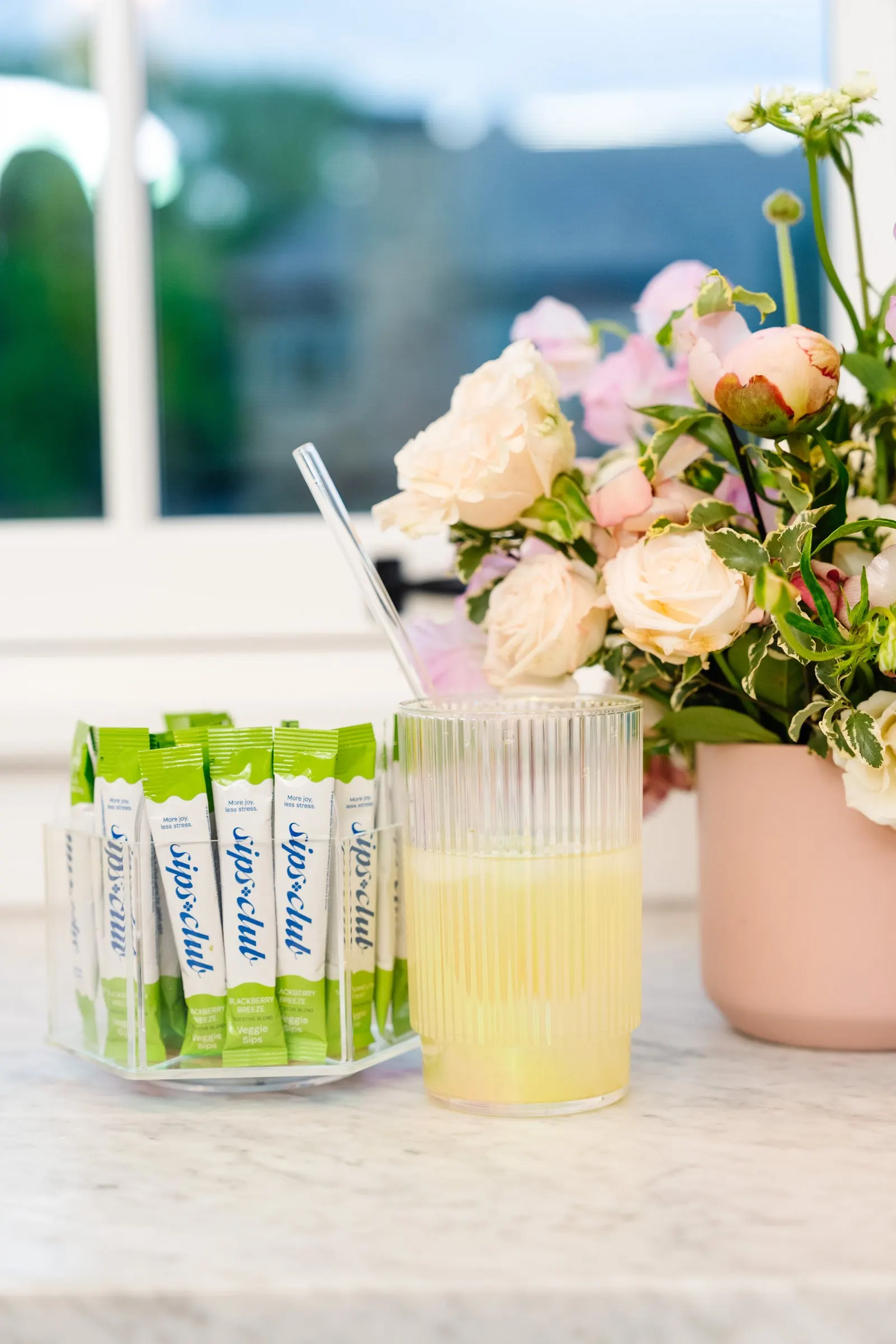
SipsClub makes drink mixes for families. At launch that meant a daily digestive drink nobody had a category for yet. A fruit-flavored protein drink and a caffeine drink followed, each in several flavors.
The founders had the science and the recipes. They didn't have a website, a store, a tech stack or anyone who knew how to sell online. So I took it. Platform, design, code, copy, search, email, video, analytics. If it touched a customer on a screen, I built it.
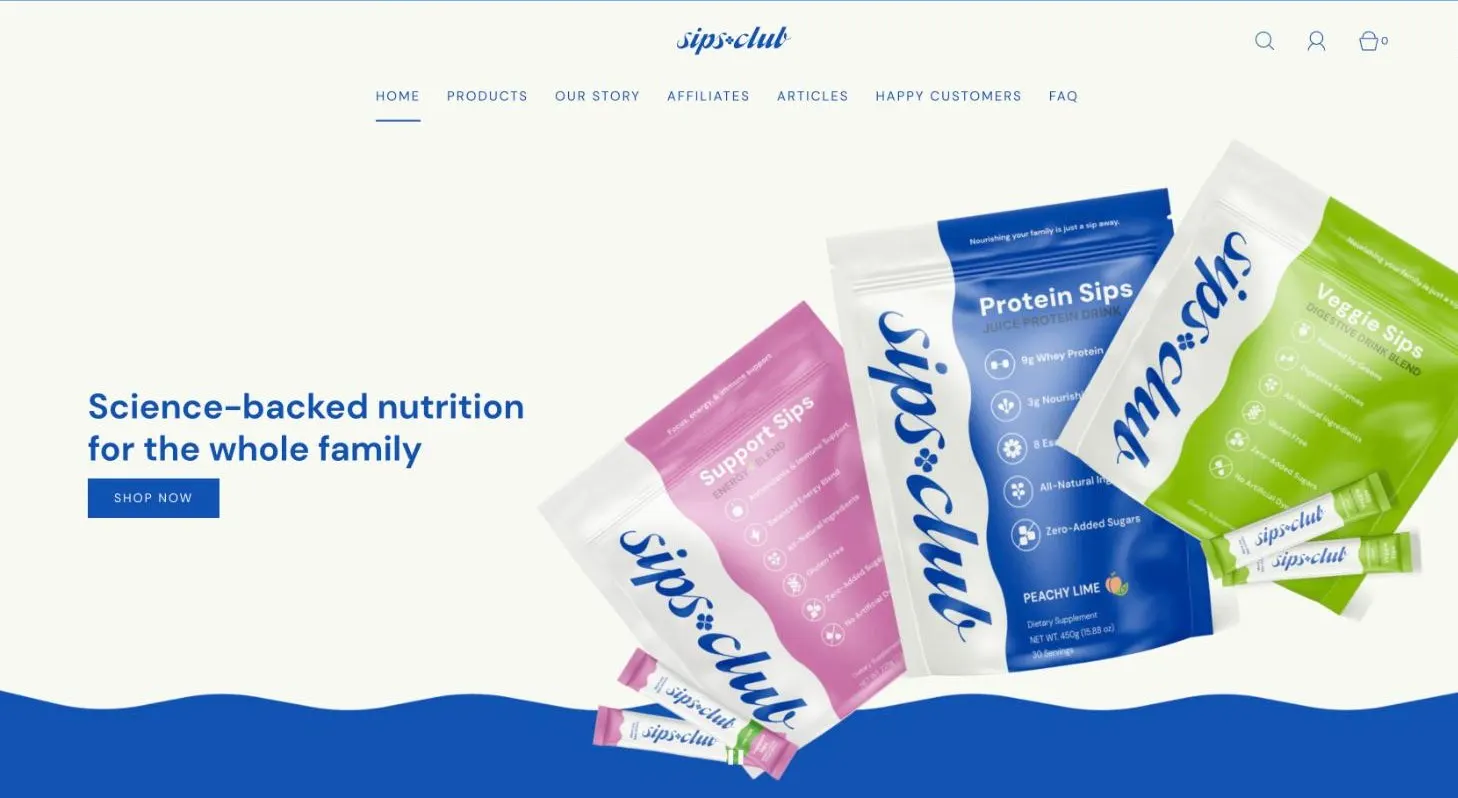
The store went live in June 2024. You can still see the version I launched on the Wayback Machine. It has since been redone.
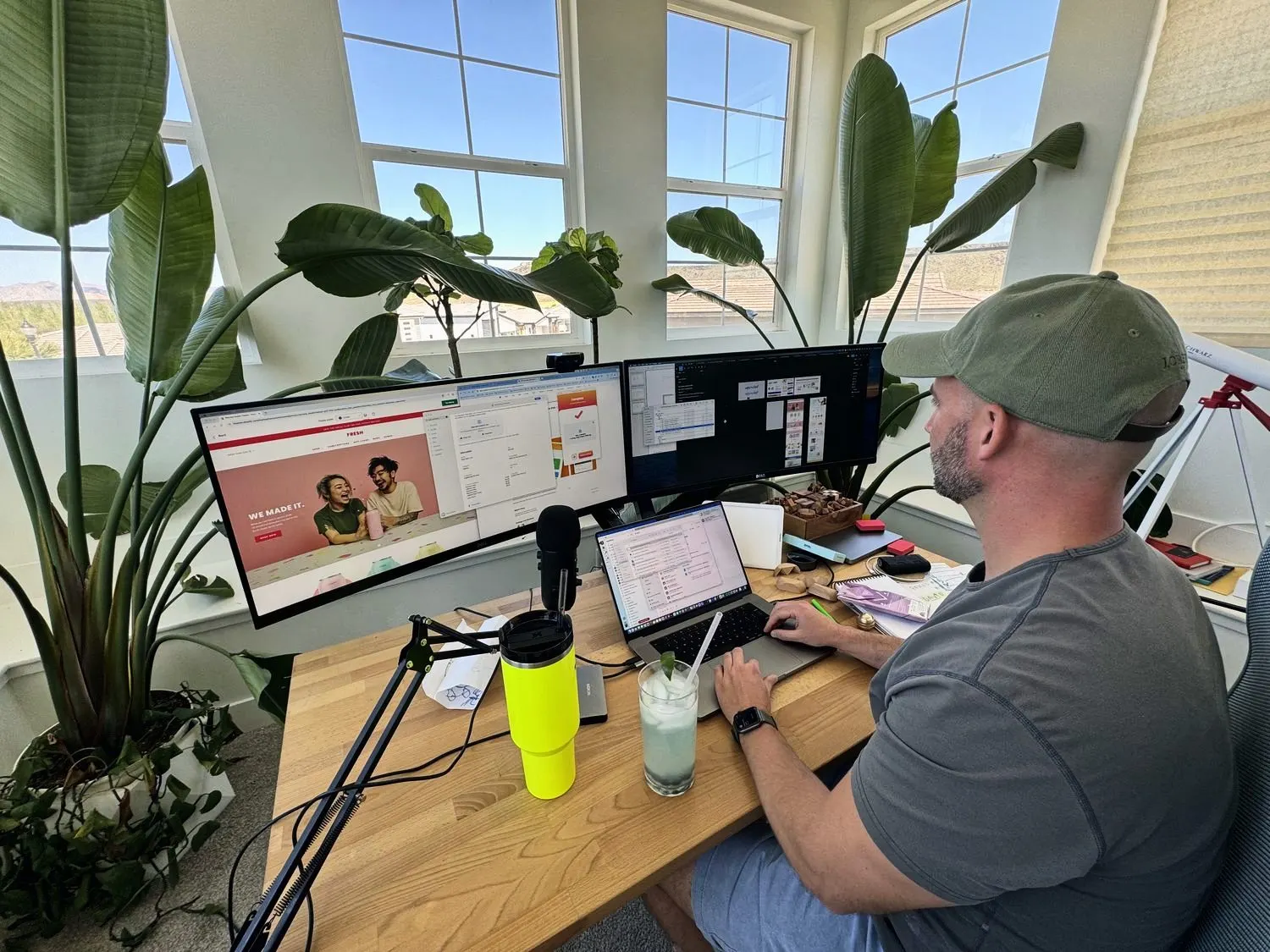
The store as I launched it in June 2024, and where it got built. Platform, design, code, copy, search, email, video and analytics were all mine.
The first call: Shopify, not WooCommerce.
This team needed something they could run without me in the room. I compared Shopify and WooCommerce on security, real cost, ease for non-technical people, and how reliable the apps were. I recommended Shopify, and the team went with it.
Then I spent about 40 hours finding a set of apps that could work together: flavor bundles, one-time and subscription orders, and a fulfillment partner with its own rules. That work decided whether the rest was possible at all.
ShopifyStore, catalog, checkout
Liquid, JS, CSSCustom theme and bundle logic
RechargeSubscriptions and renewals
ShipStationFulfillment sync
KlaviyoEmail flows, forms, attribution
TwilioSMS channel and compliance
LooxReviews and Google rich results
UpPromoteAffiliate program
GA4Purchase funnel, by channel and device
Meta PixelConversion tracking, retargeting
Search Console, BingIndexing and search data
Shop appA second storefront
JSON-LDProduct, review and brand markup
FigmaAll design: site, packaging, ads
3D mockupsPhotoreal product renders
Press releasesCoverage and backlinks
Mix-and-match subscriptions were the hardest part, and customers never saw it.
This was the hardest part of the whole job. A customer could subscribe or buy once, and mix and match three flavors inside a single variety pack. Each of those choices had to reach the warehouse as the right items, every time, on every renewal.
Shopify, Recharge, ShipStation and the fulfillment partner each had a different idea of what a product was. Nothing did this out of the box. I spent days with Recharge's own developers on our exact setup, then wrote custom Liquid to cover what was left.
The customer saw none of it. They picked flavors and tapped a button. Subscriptions grew past 30% of sales.
1,522Orders in year one
48,428Sessions in year one
$98.09Average order
24Products, bundles and flavors built
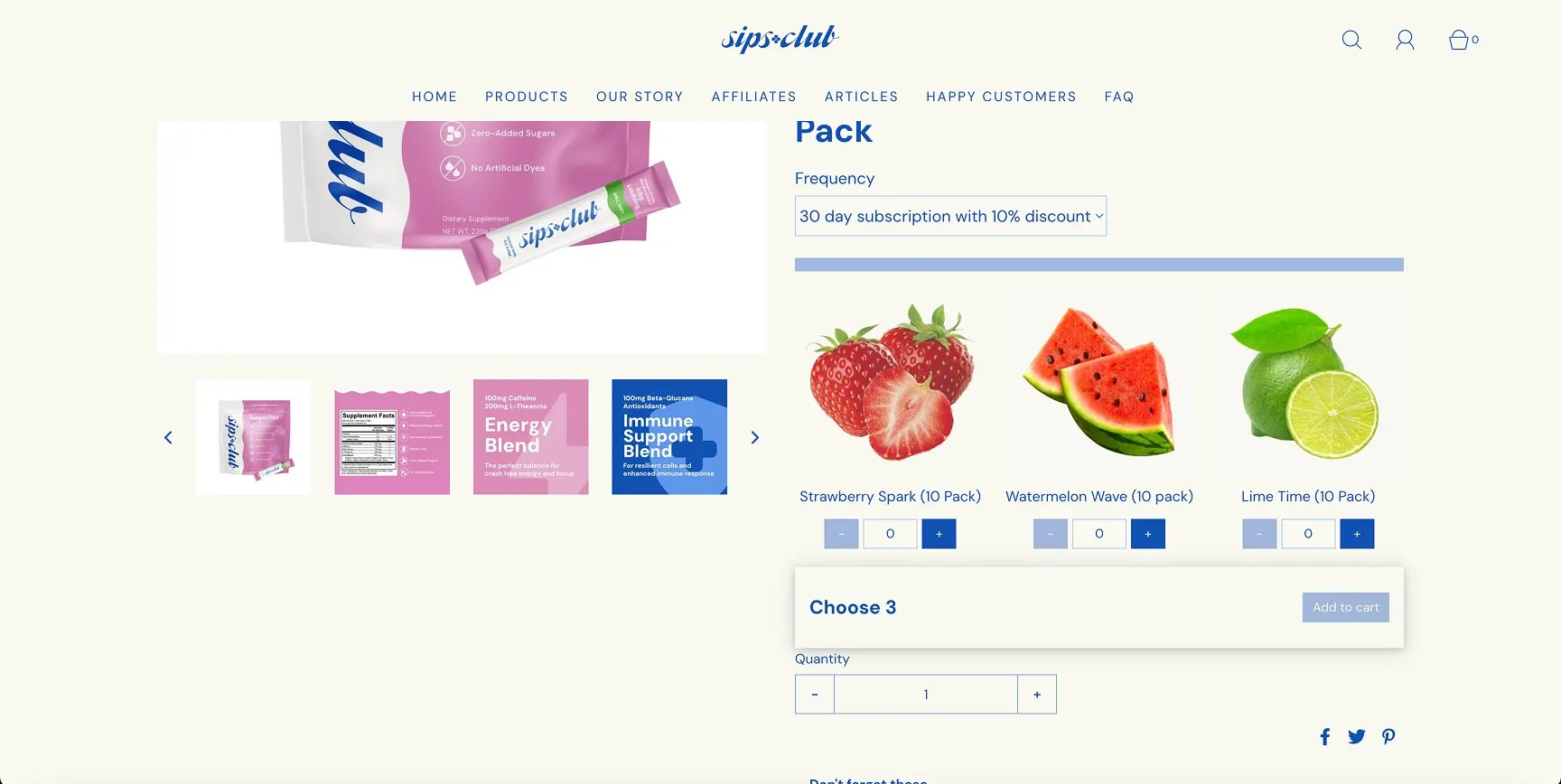
The mix and match page, from my Figma file. Pick three flavors, subscribe or buy once, and the warehouse gets the right items on every renewal.
24 products, bundles and flavors
Inventory synced by SKU across every way to buy.
Bundle logic in Liquid and JS
Shows what's inside each bundle, and lets customers build their own flavor mix with sensible defaults.
Subscription variants mapped per flavor
So a renewal ships the flavors you actually chose.
Add to cart from the grid
One tap from a collection page, with a default flavor as a fallback.
Subscribe first design
Custom graphics and discounts that made subscribing the obvious choice over buying once.
Hybrid checkout styling
Recharge and Shopify checkout made to look like one thing.
Discount rules
Welcome codes, free shipping on bundles and first subscriptions, tracked affiliate codes, and logic that stopped double discounts.
Renewal edge cases
Discount codes across both systems, cart messages explaining subscription terms, payment failure emails in the brand's voice.
A loophole, closed
I found and removed a way to add free packets to a cart through the reviews app.
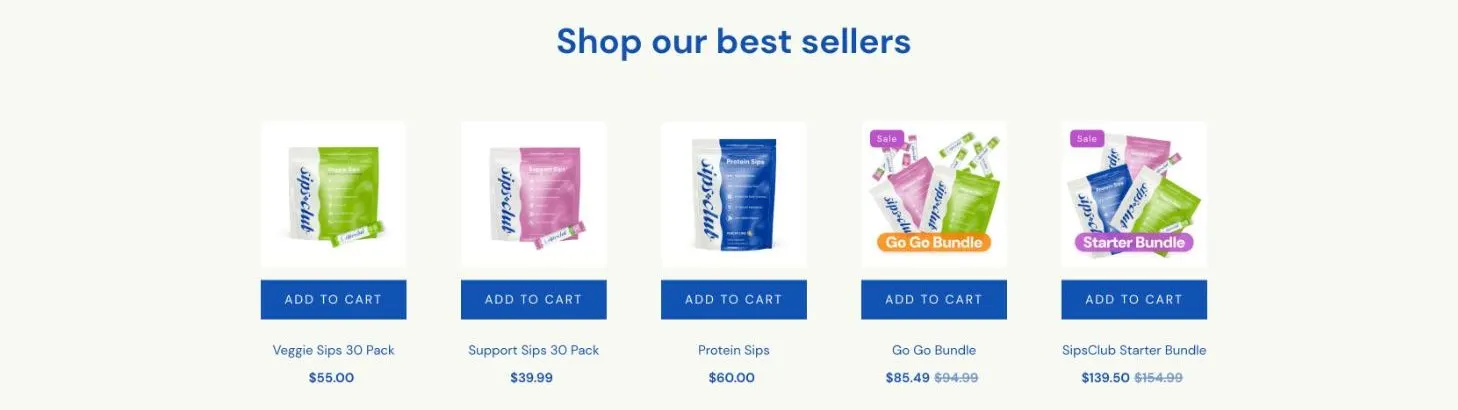
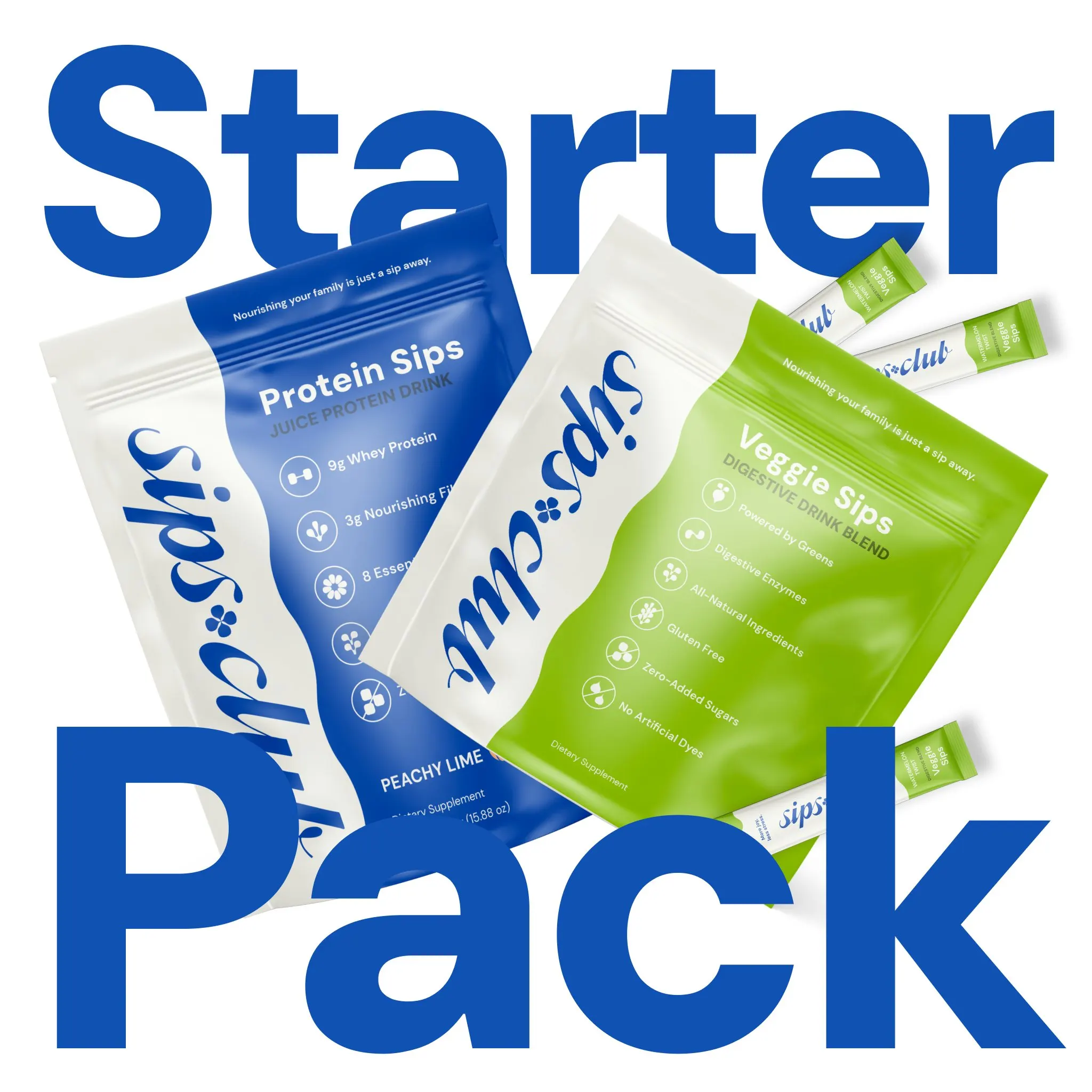
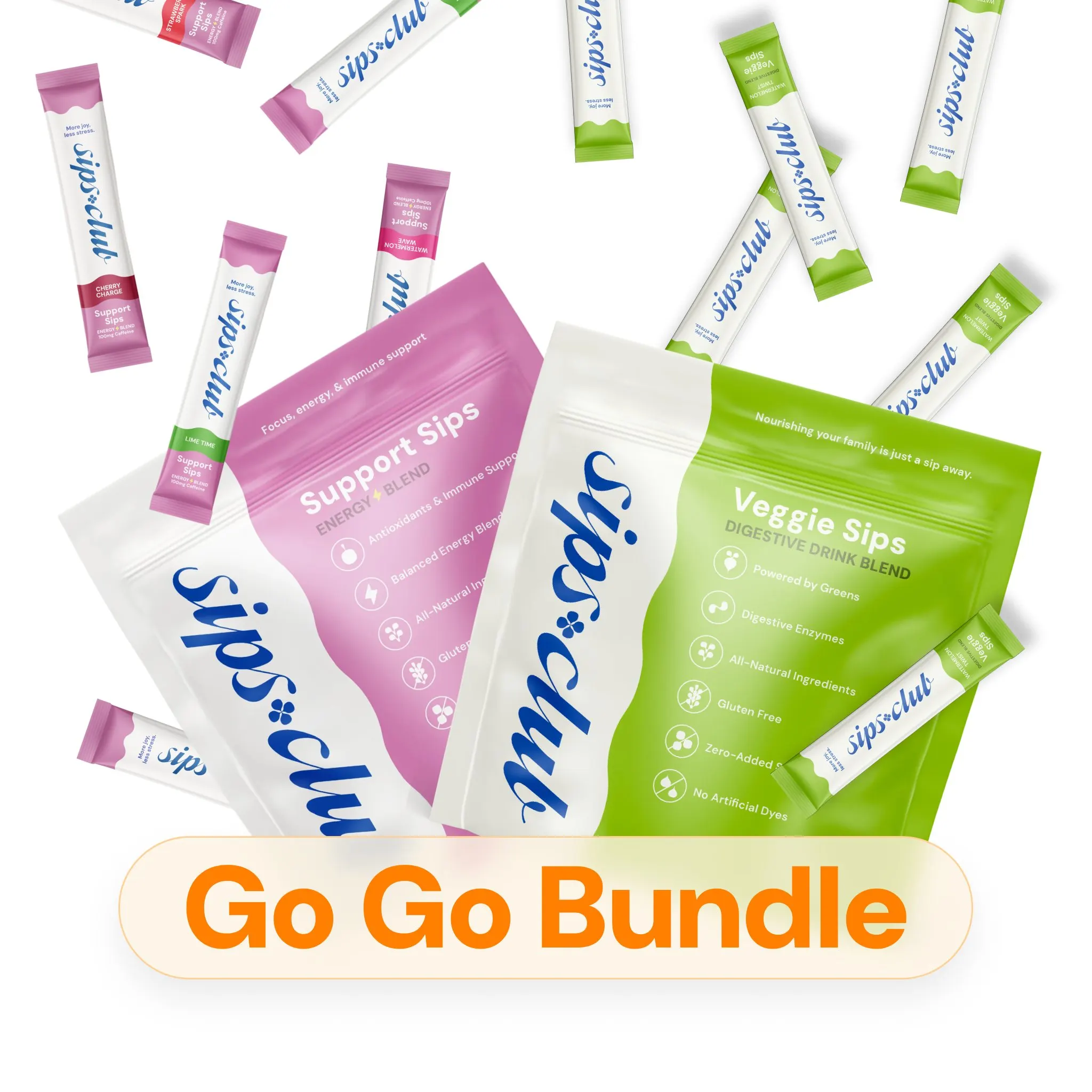
Bundle art I made so each bundle shows what's inside, and subscribing looks like the obvious choice.
Every page was designed phone first, with Lighthouse scores of 90+ on mobile.
I started from a Shopify theme chosen for flexibility and long-term support, then tuned every part of it to the brand. I designed for the phone first.
A real design system
Type scales, color variables and reusable section templates, so new products were quick to add.
Custom Liquid sections
Homepage hero, best sellers, bundle tiles, an Our Story page, a Happy Customers page, reusable subscription sections.
Front-end scripts
A free shipping bar that fills up as you shop, and add to cart without a page reload.
Contrast fixes and semantic HTML, which helped screen readers and search engines alike.
Speed
Lazy loading, WebP and AVIF images. Lighthouse scores of 90+ on mobile and 98+ on desktop.
Privacy and compliance
Consent banner with scripts blocked until opt-in, so no pixel fired early. I wrote the privacy policy, cookie policy and terms of use too.
Site banners for mix and match and subscriptions, built from one design system.
I finished the packaging, and one band of color fixed a real problem.
I recommended the design agency that ran the brand exercise, and I stayed close through it. That gave us the logo, colors and guidelines. When packaging still wasn't finished, I stepped in and finished it for every product, in Figma, including the label layouts the printers needed.
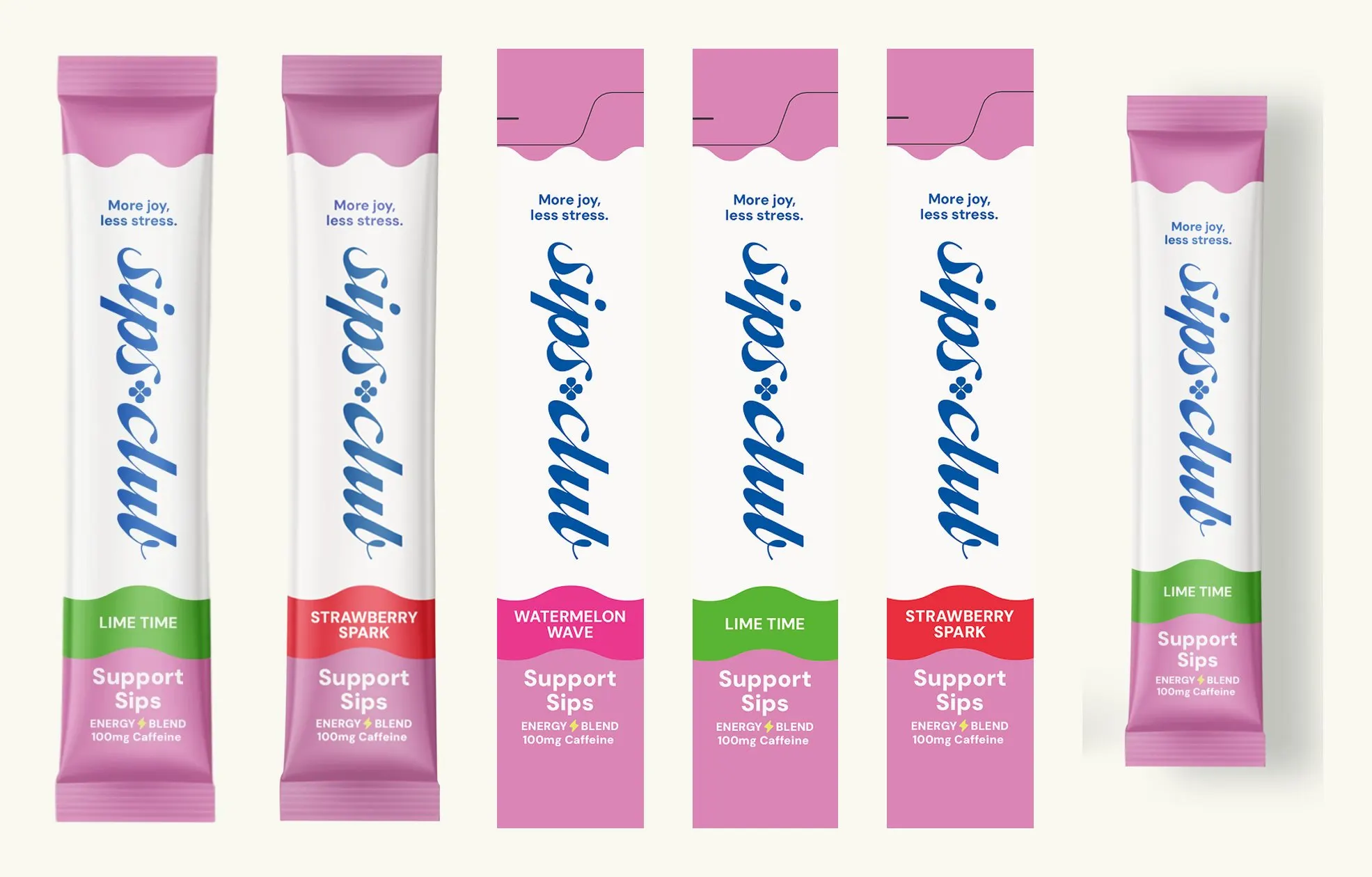
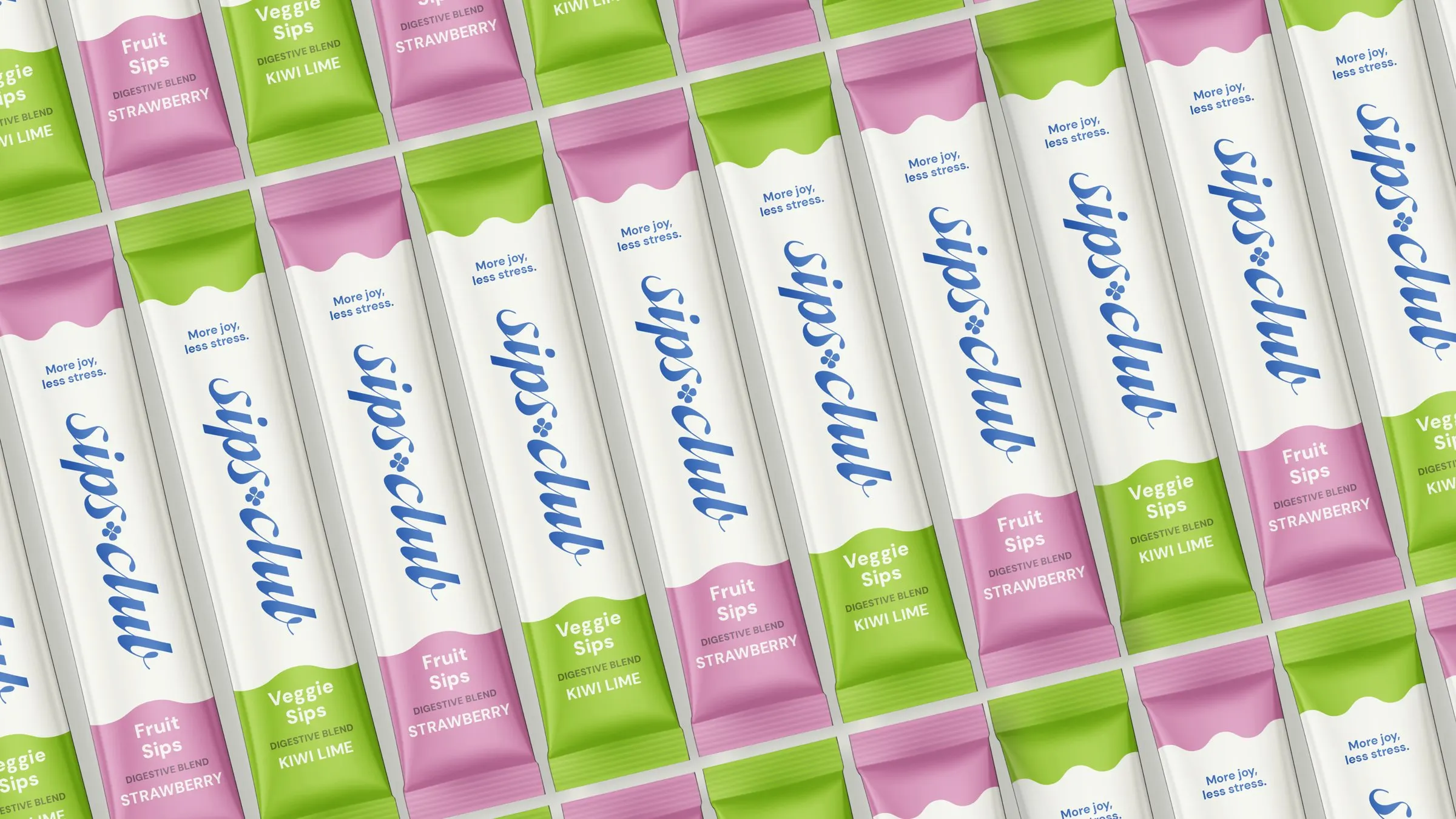
My favorite fix is small. Customers couldn't tell flavors apart at a glance. So I added a color-coded flavor strip across every packet. A problem you could feel in the kitchen, solved with one band of color.
The flavor strip system. Customers couldn't tell flavors apart, so every packet got a color-coded band.
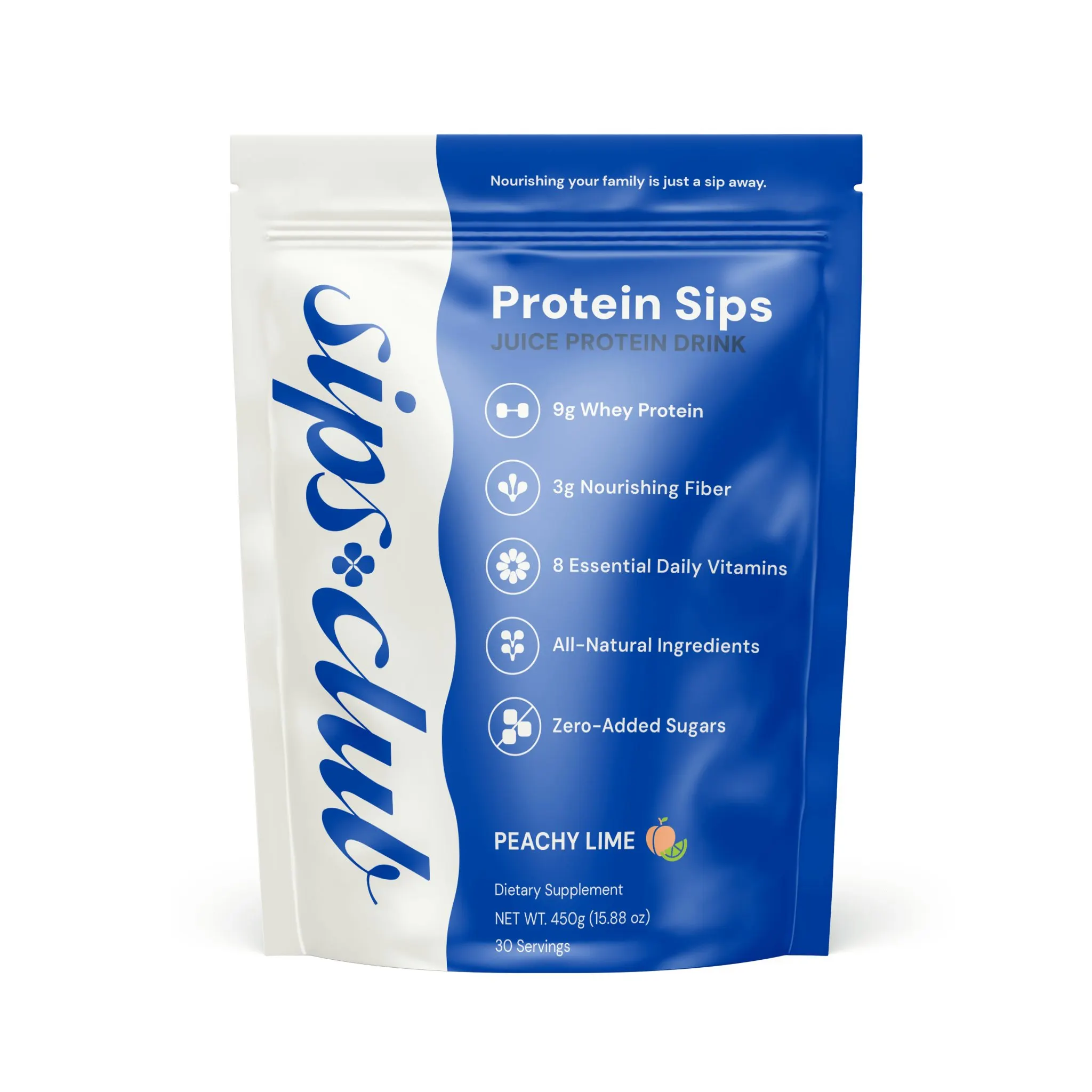
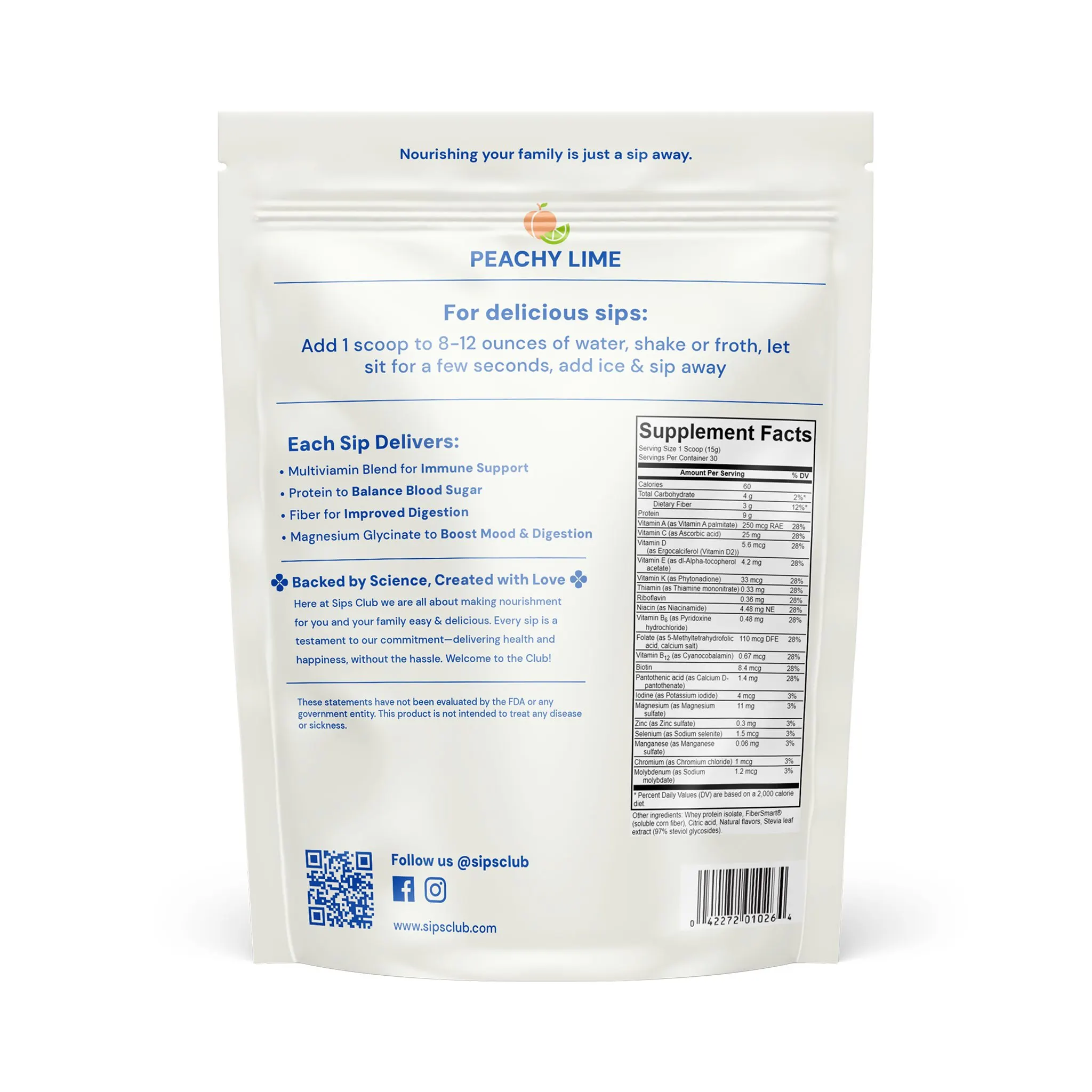
Packaging I finished in Figma for every product, with the label layouts printers needed, plus icons and patterns.
Labels for every product
Ingredient and nutrition layouts, a custom icon set, brand story on the pack.
Mailer
A direct-to-consumer mailer, after earlier attempts by contractors didn't land.
Hundreds of images
Photoreal 3D mockups and product art, used across the site, social, email, print and press.
Merch and print
Sweatshirt designs, an event banner with a QR code, and coming-soon art.
You can't sell what people have no word for, so every page teaches first.
You can't sell something people have no word for. So every product page was built to teach first, then ask. I wrote all of it, using ethos, pathos and logos on purpose: why trust us, why this matters to your family, what's actually in it.
One detail did more than any headline. Some people look for a specific form of folate on a label, 5-MTHF, because of a gene variant called MTHFR. We used that form, and we said so. Most shoppers skipped right past it. The ones who knew recognized themselves and bought. It was a quiet "if you know, you know," and it converted.
Teach first, then ask: what's in it, why it matters to a family, and a quiet note for people who look for 5-MTHF.
I directed the launch videos for about $500 each, where that work usually costs $6,000 to $8,000.
I scripted and storyboarded the launch videos, chose locations, talent and props, and recruited a crew. The cost came to about $500 a video. Work of that quality usually costs $6,000 to $8,000.
I planned where each one would live before we shot it: the homepage, product pages, Reels, TikTok, Facebook and email. They drew tens of thousands of views, and they kept selling long after launch.
The Protein Sips launch video. Scripted and directed by me, filmed by a hired crew.A 15-second ad from the summer shoot.
From the summer shoot and my ad concepts.
A launch reel is built for watch time, beat by beat.
Here's the structure from one of my scripts, for the Support Sips launch on Instagram. The note at the top said to cut out every tiny pause, because watch time was the whole game.
1. Promise the endOpen big, product close to the camera, and say there's a giveaway at the end. Now people stay.
2. Earn itSix months perfecting this. Lower the voice, like you're sharing a secret.
3. Say what it isWhat's in it, in one breath, tied to a habit people already have.
4. Show itCut to making the drink. Powder, water, ice clinking.
5. Talk like a friendSpill a little tea. Lots of people are trying to quit a daily soda.
6. Land the price$35 for 30 servings. Pause. Let it sit.
7. Give a reason now30% off for launch week. Tap the link.
8. Pay off the promiseSample packs to 100 people. Tag three friends. More comments, more watch time.
Eight beats from my Support Sips reel script. Every one is there to keep people watching.
One TV segment, scripted to sell, brought in about $10,000.
Most brands treat local TV as press. I treated it as a sales channel. For Good Things Utah, I scripted the segment topics, then designed the path from the couch to the checkout, with a QR code ready for people watching live.
That one segment brought in about $10,000 in sales within a few days. I'd pushed for this kind of long-form appearance because it gave the founders' science background room to build trust. It became the best sales strategy the company had.
On set at Good Things Utah. That one segment brought in about $10,000 in sales within a few days.
The press around it
A press release that gave us links from news sites, a Silicon Slopes Summit feature in Deseret News, a Startup Utah profile, more local TV, and a TrendHunter write-up.
We beat Panera for our own name.
Panera's Unlimited Sip Club crowded every search for our name. A new brand could easily have disappeared behind it. So search was built into the site from the first day, not added later.
We took No. 1 for "Sips Club" and won the Google Knowledge Panel. Organic search brought in over $17,000, about 11% of first-year sales.
No. 1For "Sips Club", ahead of Panera
$17,000+From organic search, about 11% of sales
117Reviews at 4.5 stars, showing in Google results
About 20Domain authority, up from zero in under a year
Technical foundation
Clean URLs, a validated sitemap and robots file, a redirect map, and fast pages.
Structured data
JSON-LD on every product page for price, reviews and availability, plus the markup behind the Knowledge Panel.
On-page work
Keyword mapping on every product page. Alt text, headings and hierarchy. Terms real people search, like methylated folate or caffeine with L-theanine.
Blog system
Designed, built and seeded it. Topics mapped to search intent, posts linked to products and each other, images tagged by keyword.
Backlinks
Press, directories and affiliates. Domain authority went from zero to about 20 in under a year.
Trust signals
Reviews showing in Google and Shopping results, and a positive ScamAdvisor score.
Teaching the team
Trained the founders on SEO, Search Console, backlinks and the Knowledge Panel, so they could keep it going.
Add-to-cart tests lifted conversion 15 to 20%, and a cleaner checkout cut abandonment.
Launching at 4% is good. Holding above 3% for a year took constant testing, with results read week by week. The add-to-cart tests lifted conversion 15 to 20%. A cleaner checkout layout cut cart abandonment by about 12%.
Homepage headlines
"Healthy drinks for kids" against "Science-backed nutrition for the whole family".
Button copy
Shop Now, Build Your Bundle, Start Your Subscription.
Add-to-cart buttons
Color, wording and placement, on phone and desktop.
Bundles
Which ones to offer, and where upsells sit.
Product page layouts
The order of story, images, video, reviews and subscribe banners.
Social proof
I pushed to gather reviews before launch, then put them everywhere: site badges, photo reviews on product pages, and Google results.
Reviews went everywhere: site badges, photo reviews on product pages and Google results.
I argued to keep the email pop-up.
There was pressure to take it down. I kept it, and that decision became a sales channel. It captured 1,669 emails, which brought in $7,172.62 in tracked sales. All the email marketing that came after depends on that list.
1,669Emails captured by the pop-up I fought to keep
$7,173Tracked sales from those emails
171SMS subscribers
About $150A month from the Shop app, running on its own
Klaviyo
Install, theming, pop-ups, welcome and abandoned cart flows, and revenue tracking.
Twilio SMS
A multi-stage approval to get texting allowed, consent-based opt-ins, and TCPA compliance. 171 subscribers.
Affiliate program
UpPromote, a branded landing page, tracked links and payouts. A new channel, and a source of links.
Shop app
Optimized product tiles and a synced storefront. A small channel, about $150 a month, that ran on its own.
Live chat
Answers to common questions before a sale, plus lead capture.
Analytics
GA4, Meta Pixel, Klaviyo and Search Console, so the team could measure what ad spend returned.
A year as fractional CTO, and no major bug reached the live store.
For more than 12 months after launch, I was the company's fractional CTO. I fixed bugs, launched new products, tested after every app update, refreshed pages, read the numbers and changed course. No major bug ever reached the live store.
New products became routine: clone the template, test every SKU path, refresh the pages, write the launch. That was the point of building it this way.
What didn't go as planned
Conversion settled at 3.14% across the year, not the 4% of launch day.
The live chat system got turned off soon after launch.
SMS stayed small, at 171 subscribers.
The Shop app earned about $150 a month. Useful, and not much more.
Getting subscriptions, flavors and fulfillment to agree cost days of troubleshooting, and it took custom code to finish.
New products became routine: clone the template, test every SKU path, refresh the pages, write the launch.
Selling something online? I do this.
I can set the strategy and build the store myself. With AI, it now takes far less time than it did then.